
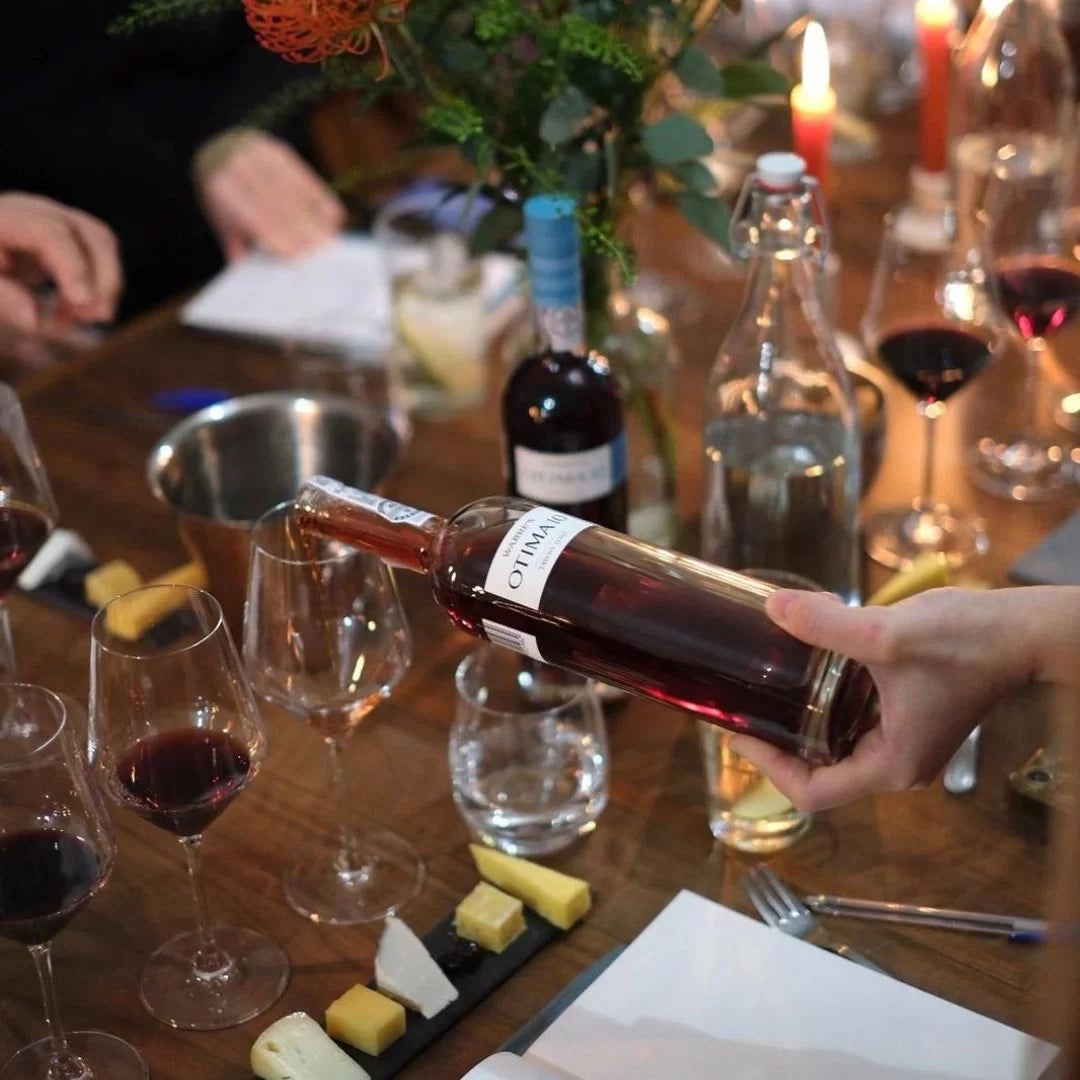
For years, I considered pairing port and cheese an old-fashioned pairing. Everyone does it, so why should I? I've noticed many sommeliers share this opinion. But now I'm going to champion this wine, which has so much history.
On to Symington Estates
At the invitation of Symington Estates, I was able to go to Porto to experience it for myself. And believe me: once you've been there and seen how stunning it is, you'll instantly fall in love. It's one of the most beautiful wine regions I've ever visited. The breathtaking terraces, local socalcos and patamares mentioned, the steep slopes – 52% of all mountain vineyards in the world are found in this region – and of course the Douro River that meanders through the landscape.
Symington Estates is the world's largest port producer, and owns the following brands: Grahams, Dow's, Warre's, Cockburns, and Quinta do Bomfim. They have been producing fortified wines for many years, but in recent years they have increasingly focused on so-called "still" wines, or unfortified wines. In this blog post, we'll focus on port, specifically Warre's.
Warre's
Warre's is Britain's oldest port house, founded in 1670. They produce ports with excellent value and are constantly innovating. They are currently busy developing a harvester capable of harvesting on the steep slopes of the Douro. This is necessary because the region has a large aging population and pickers are hard to find.
They're known for their wide range of vintage ports, including one from my birth year, 1992. Beautiful ports that can age incredibly well. You might be familiar with Warre's Otima Tawny, 10 or 20 years old, readily available at Albert Heijn, but The biggest tip ever . Lots of wine for a very reasonable price.
Cheese & Port
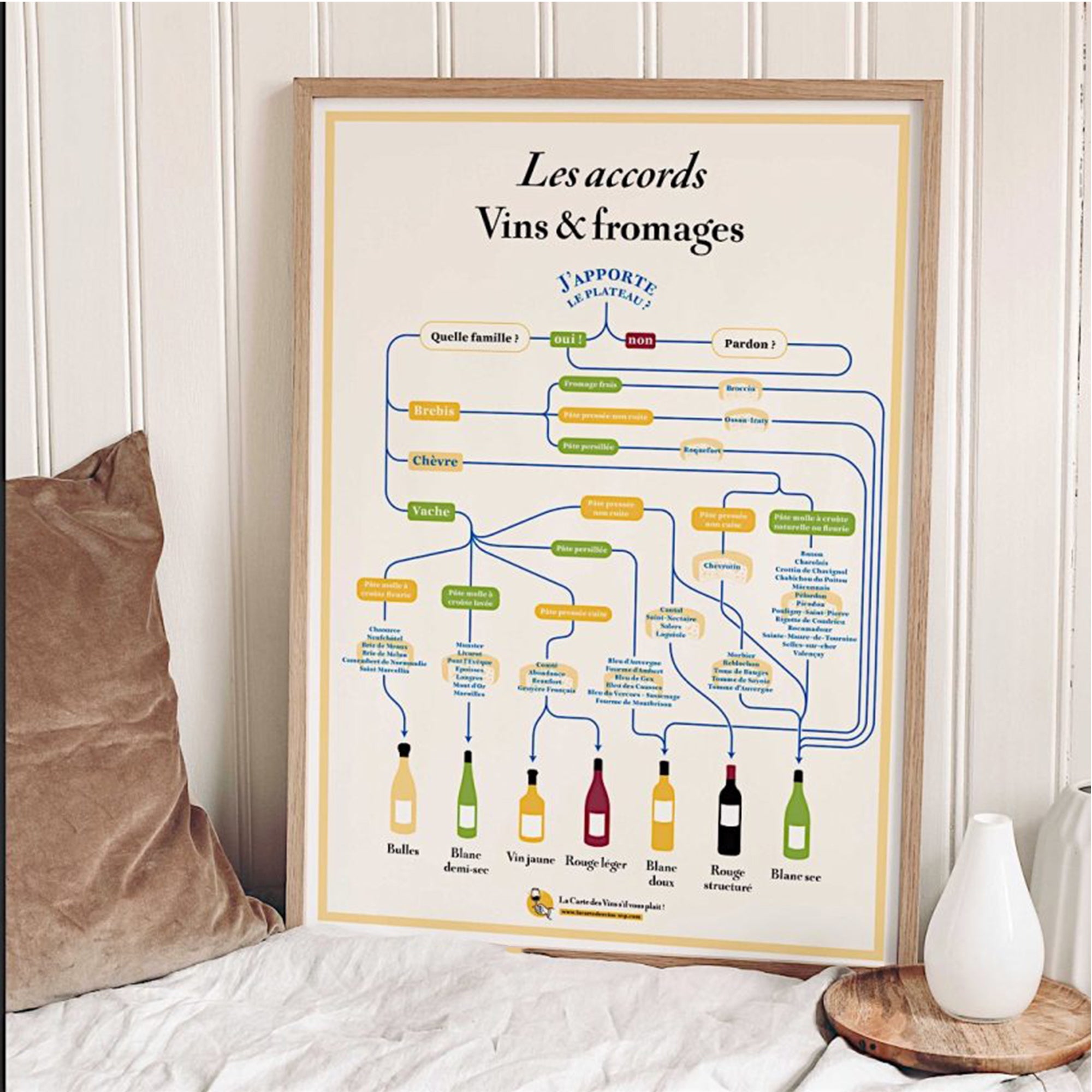
So now: which cheese goes with which port? What pairings are we going to make? Is there even a basic principle we can use? The answer is yes and no. Yes, of course there are a few rules of thumb you can use (listen to the podcast about wine and food with Peter Klosse). I also firmly believe that we should push our boundaries more often. Let's deviate from our 'standard' combinations.
Below you'll find a list of tips for port and cheese pairings that are a bit different and sometimes push the boundaries. All cheeses are available at Bourgondisch Lifestyle, the cheese specialist of the Netherlands.
White Port or Port & Tonic with Drunken King
White port is much more versatile than you might expect. Paired with tonic, it makes the most delicious aperitif. But white port also proves to be a heart-breaker on its own. Especially with this boozy king, a creamy cow's milk cheese steeped in pear eau de vie.
Warre's Ruby Port & Pouligny-Saint-Pierre
This cheese has a savory, drying, and salty flavor, complementing the fruit and tannins of ruby port. The drying character of the cheese, in particular, complements the tannins of the wine well. So, you see, ruby port pairs well not only with hard cheeses or blue-veined cheeses, but also with a slightly drying cow's milk cheese.
Otima 10 Year old Tawny Port & Swarte Toer
This proved to be an unexpected hit during the tasting. Doetie's goat cheese from Jubbega, Friesland, firstly has good acidity, then a drying character, and finally, the ash layer provides an earthy note. We tasted the cheese both with and without the addition of ginger and plum compote. Both worked well.

That's a handy tip: you can simplify your port and cheese pairing by adding the right garnish. With wine and cheese pairings, such garnishes are usually tricky, because the wine can't really handle those sweet jellies.
Of course, that's a different story with port. Such a garnish can actually bridge the gap between the port and the cheese. Port contains between 60 and 100 grams of residual sugar per liter, and by combining this with a sweet compote, you can create a bridge, making the combination even more effective.
'I've always advised people to try goat's cheese and tawny port not to combine, into this combination!'
Otima Vintage Colheita 2013 & Époisses with Ras el Hanout
A warming Colheita that has also been aged for almost 10 years. Warm spices, red fruit, and light notes of caramel. But even better, this is affordable and simply delicious. Available at Albert Heijn . This makes it easy for everyone to enjoy this wine at Christmas. This port not only pairs beautifully with these Époisses, but also pairs well with chocolate desserts.
Late bottled Vintage Warre's 2009 & various cheeses
Warre's LBV is among the best in the world. Complex and lush, it's already excellent to drink even when young. It pairs well with many mature, hard cheeses, with or without mold. We thought it would be fun to explore different cheeses with additions, such as Leiden farm cheese with cumin and Brie de Meaux with winter truffle.
They both worked well, but I thought the port paired particularly well with the earthiness of the truffle. A nice match.
Warre's Vintage 2000 & blue or hard cheeses
One of the world's greatest wines, one that ages beautifully, is, of course, vintage port. A vintage port is aged for one to two years in small oak barrels, with the intention of becoming even more magnificent through bottle aging. This vintage was from 2000 and, at a modest 22 years old, was still quite young. We paired it with various cheeses, but steered clear of the classic Stilton (which is certainly an option), opting instead for a matured hard cheese with egg white crystals.
Such a special port deserves a special cheese. Blue-veined cheese, or a matured hard cheese. Done with the cheese? In Portugal, they simply drink the vintage as a liquid dessert.
Port & cheese, a great marriage
In short, you can do anything with port and cheese. Astute readers will have noticed, all cheeses have a strong flavor intensity. That's essential if you want to pair it with such a powerful wine. Keep that in mind, but otherwise, we say: experiment to your heart's content with your cheese board. If possible, don't skimp on the cheeses; instead, visit a local cheesemonger and choose something delicious together. That's pure enjoyment!
Share:
Wine FAQ: How much does a vineyard cost?
Questions and answers about alcoholic fermentation