Think big. I want to become a Weinakademiker. On September 3, 2018, I started the WSET Diploma Course, which ultimately—if you add a thesis afterward—results in the title of Weinakademiker. In part 1, I'll share my first impressions of the program and my first lesson!
It's 8:30 a.m. and I'm standing in front of the large Den Rooy Hotel in Meerle, a Flemish village just across the border. This is where the adventure begins. Today's program includes a kick-off, an introduction to the international wine trade, and an extensive tasting session.
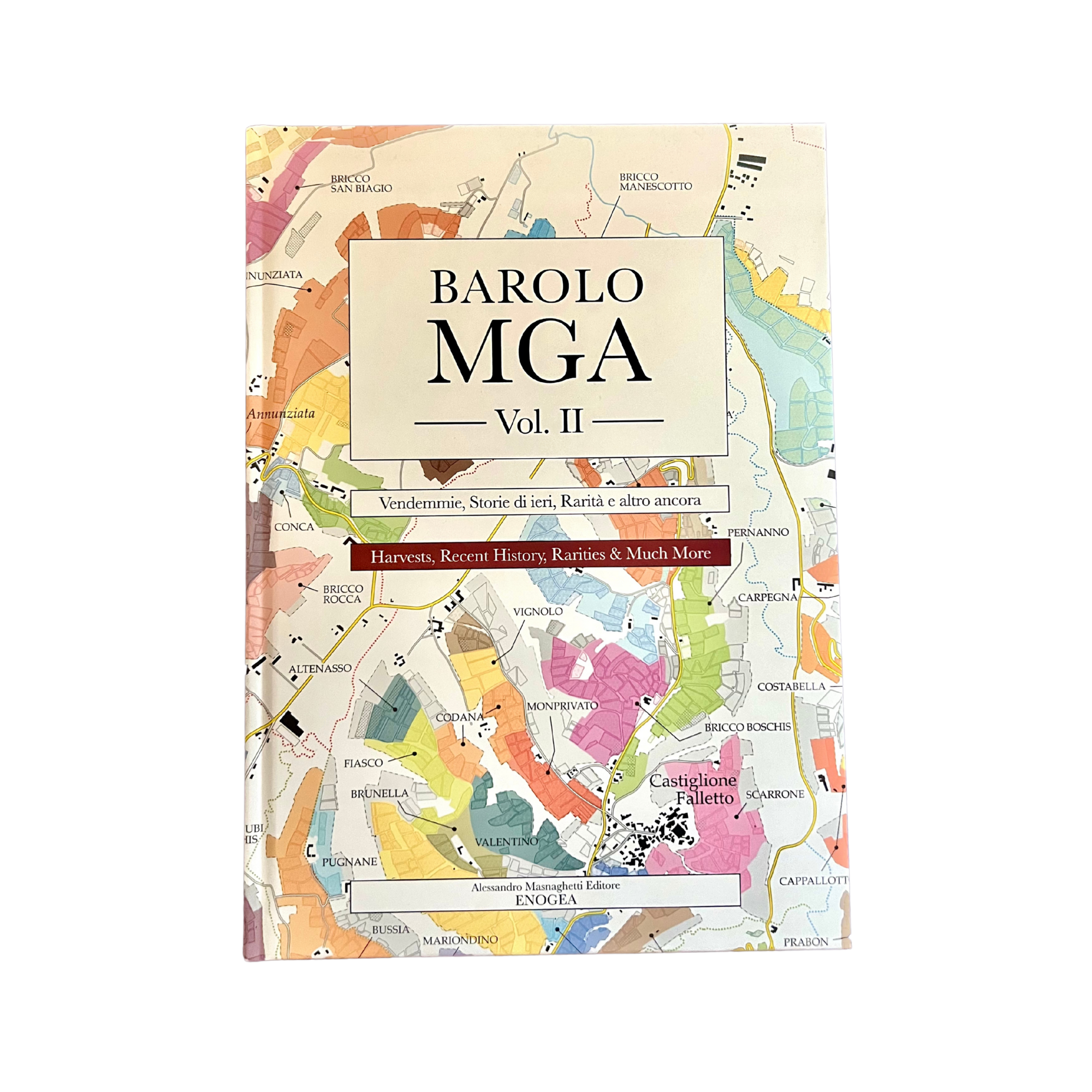
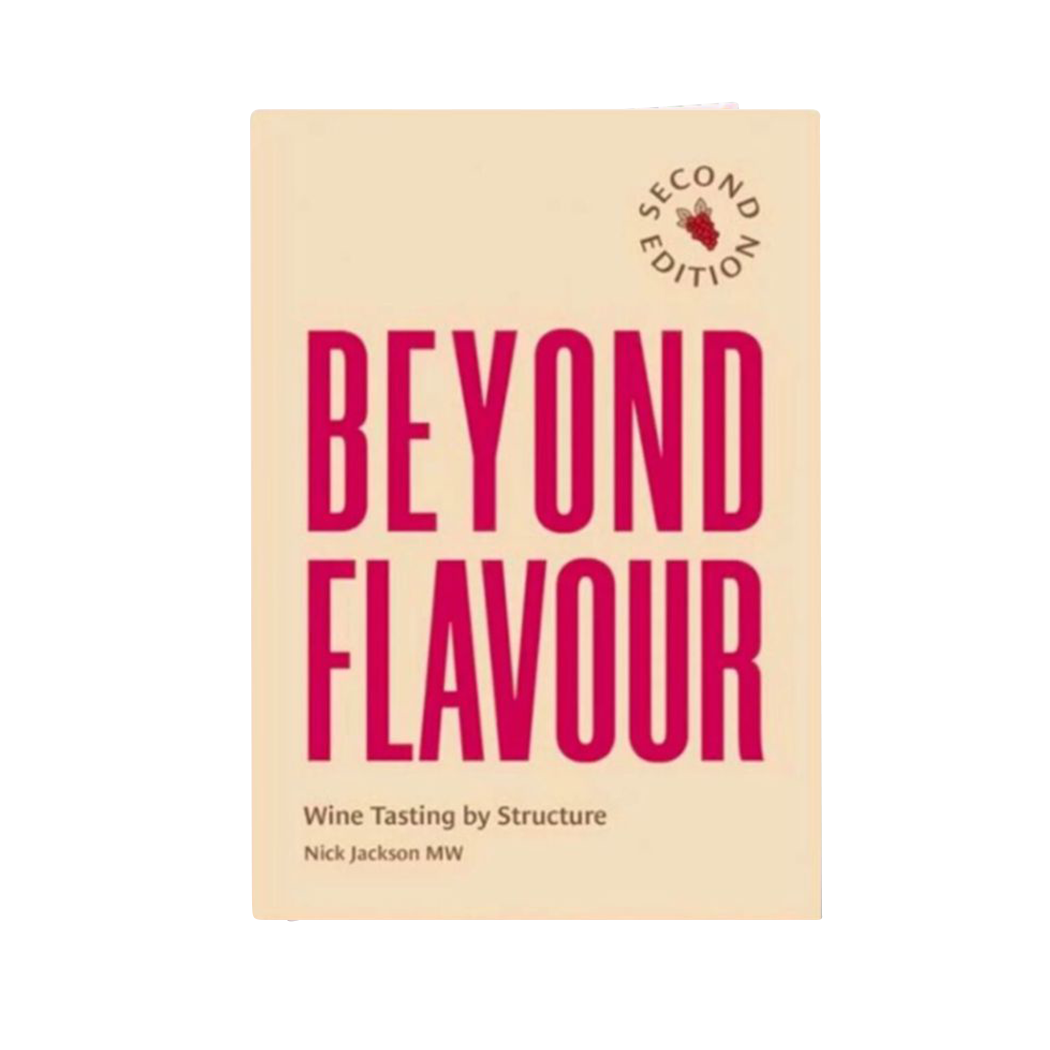
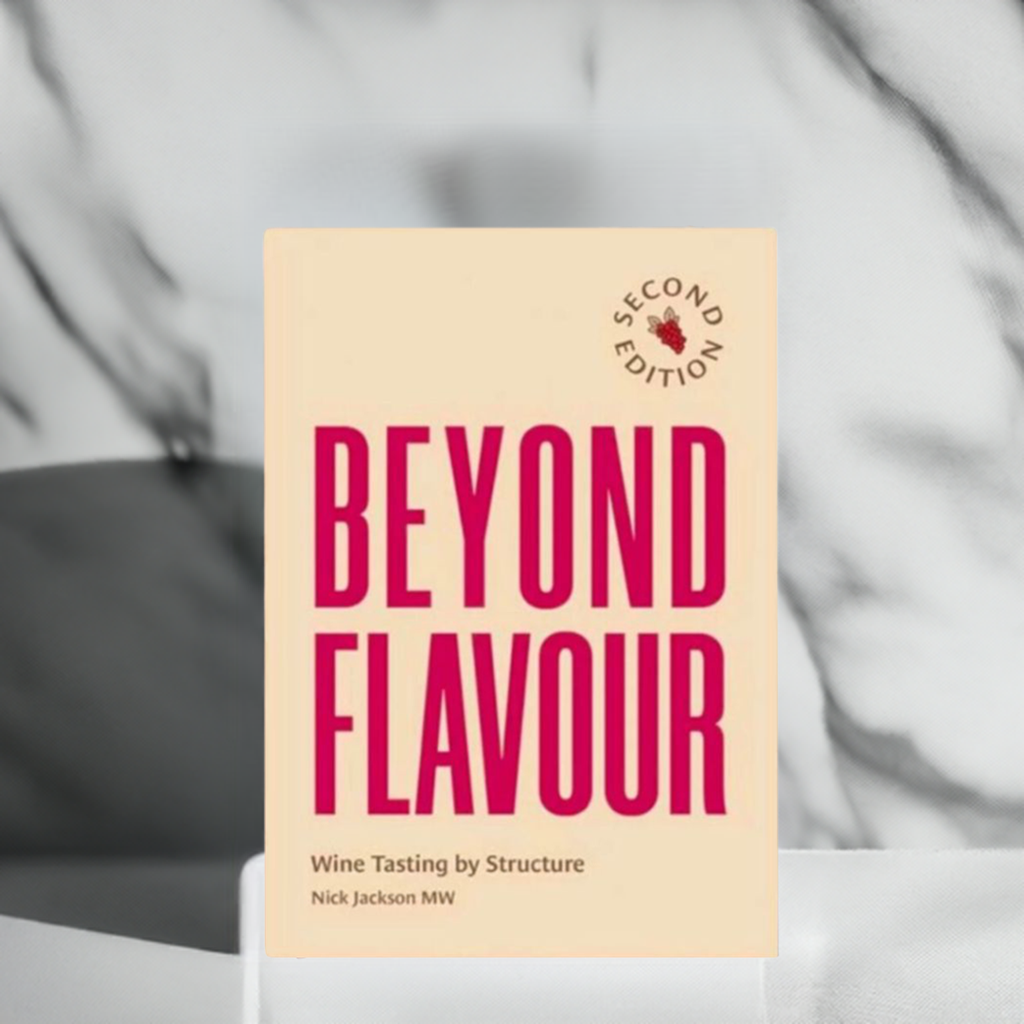
Sybille Troubleyn, founder of WineWise, gives a welcome speech, kicking off with the words: "Yes, the level is high, but don't panic after today." Well, I can't suppress a small wave of panic when I hear that the first exam is actually on November 12th. Subject: viticulture and vinification. Good luck with the competition. We've already received a thick package of study specifications. It only lists what you need to know, but you'll have to get the actual information from books. About seven are recommended, from The Oxford Companion to Science of Wine by James Goode. It's a lot, and I can't say exactly how I'm going to do it yet, but I just know I'll succeed. Bring on the books, I think they're fantastic.
Then we get a quick introduction from Frank Smulders, the Netherlands' first Master of Wine (since 1992). He discusses the figures related to wine consumption, wine production, and wine fraud. He also discusses the importance of supermarkets for mass-market wines and, consequently, for the entire wine market. Supermarkets account for 70% of the total wine market. The average time between buying a bottle and drinking it is 3.5 hours. Oh my.
The Joseph Perspective
Today I also got acquainted with The Joseph Perspective for the first time. Robert Joseph aka The Wine Thinker divides the wine world into six categories:
-
Terroir driven
These are the special wines, the wines from the higher segment. They represent a small portion (<30%) of the wine world, but they are the most talked about (>70%). -
Grape Based Beverage Alcohol (GraBaBa)
This represents the largest portion (over 70%) of the wine world, yet it's rarely discussed. After all, what can you say about a Merlot from Pays d'Oc? -
Liquid Luxury Good Prestige (LiLuGo)
The wines that not only quench your thirst but also enhance your image. Take Dom Pérignon, for example. -
Issue Driven Purchase Origin (IDriP)
These wines are bought because they're following a trend, such as sulfite-free wine or organic wines. "I'm buying this wine because it's organic." But the buyer has no idea what organic wine entails. Small group (<1%), lots of media coverage (<10%). -
Fashion Driven Purchase Origin (FaDriP)
Celebrity wines, such as Brad Pitt's Miraval. This category comprises less than 2% of the wine market, but receives relatively high media coverage (<7%). -
Curiosity Driven Purchase Origin (CuDriP)
Wines that pique your curiosity. My biggest pitfall.
It reminds me of my earlier blog: What type of wine drinker are you?
Tasting Techniques
Tasting at this level goes a step further than WSET3. The "Wine in Context" section is added, so you actually have to explain what's in your glass. I completely lost it with the first one. It was, funnily enough, a Lindemans Chardonnay. You know, the one from Albert Heijn. My tasting notes included things like minerals and who knows what. A bit more complex than it actually was. Luckily, I didn't have to read it aloud...
Finally, we're off to a good start. We're then given three more blind white wines: a Sauvignon Blanc from Austria, a Riesling from Palatinate, and a Chenin Blanc from Vouvray. I couldn't pick out the first, even though you'd think Sauv Blanc is always easy to detect. It was one from Thement, Erste Lage Steiermark 2015. Frank Smulders admits this wasn't easy; the winemaker is sparing with sulfites, which naturally results in different, less typical aromas. After about ten minutes, the wine's aroma has definitely changed.
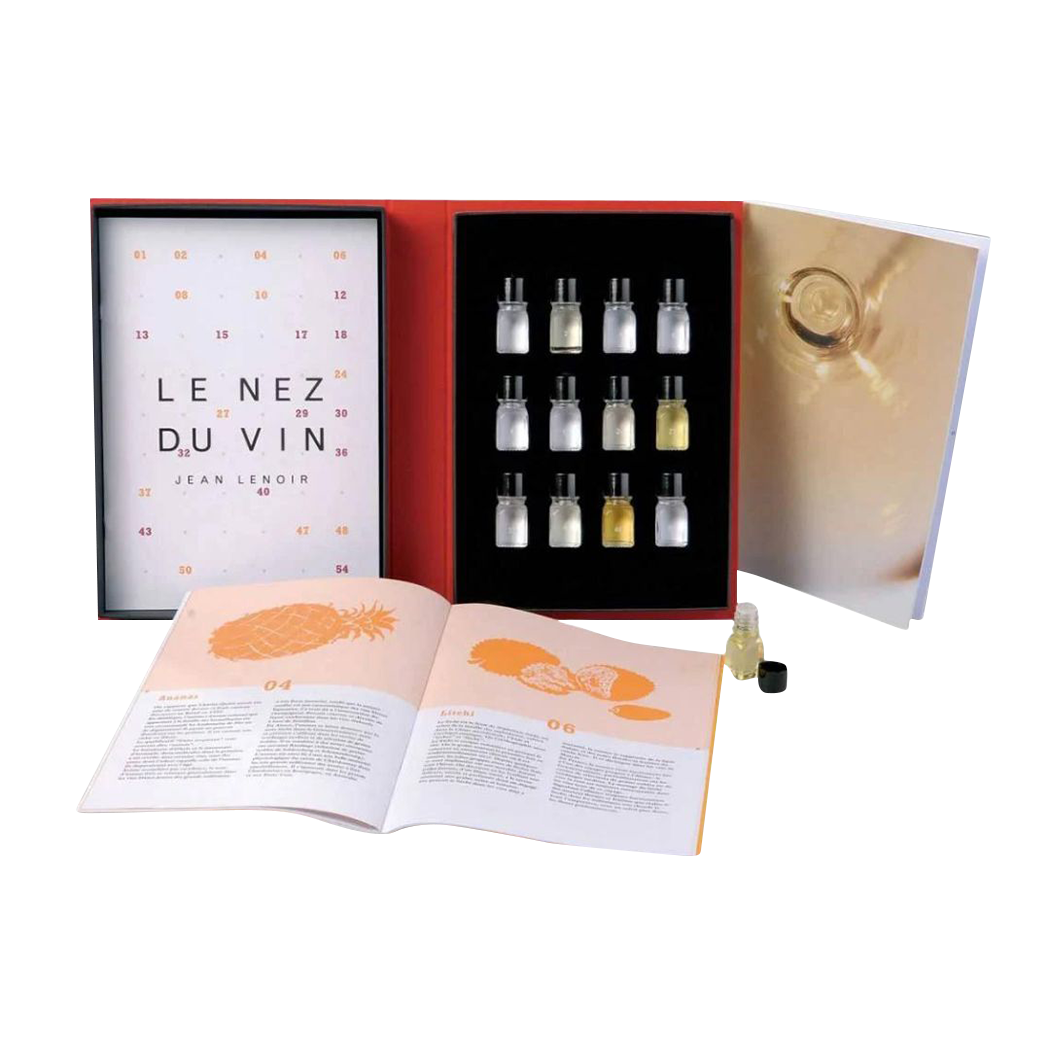
Luckily, I did manage to pick out the Riesling and Chenin Blanc. Although that's not the point, of course. It only adds a point or two to your total score. What matters is that you write down your tasting notes accurately. Look, smell, taste, and write them down very precisely according to The Systematic Approach to Wine Tasting. We'll then taste three more glasses of red wine, and then the day is over.
It was awesome.
On to Geisenheim
Next Sunday I'm leaving for Geisenheim, where we'll be attending a two-day lecture by Dr. Matthias Schmitt at the University of Geisenheim. On Monday evening, we'll be heading to a vineyard for some field research. I'll tell you more about that soon. I'll also take some more photos then...
View all blogs from ' The Road to Weinakademiker '

Share:
The Road to Weinakademiker - Part 2 (Geisenheim)
Sussex vs. Champagne: Two Sides of the Parisian Basin