
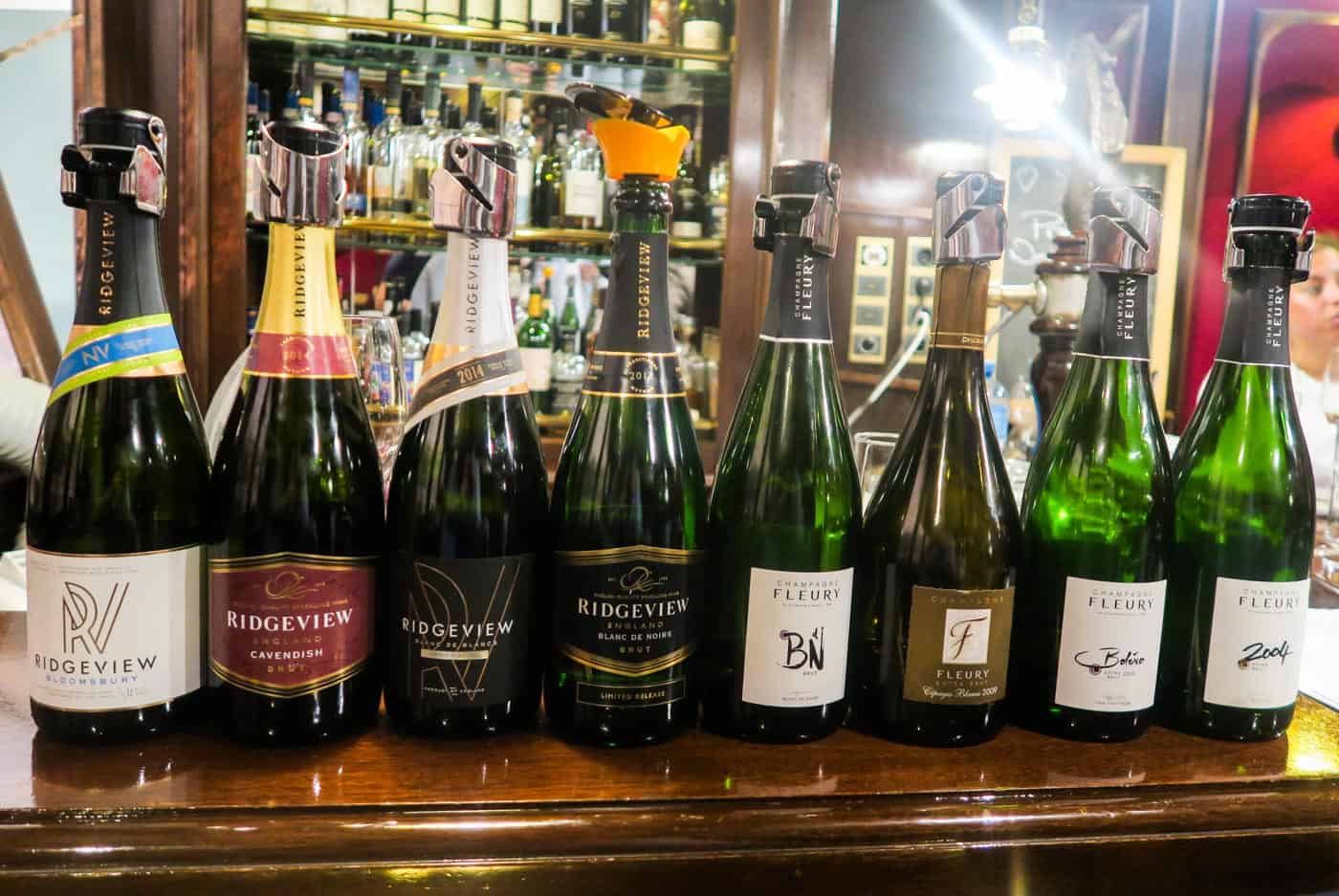
Last Thursday, the tasting "Two Sides of the Paris Basin" was on the agenda. Paris, two sides? What? It has to do with sparkling wine. From England and Champagne. We have the Paris Basin to thank for them. But what exactly is it? It turns out to be a hot topic in geology, with a Wikipedia page and all.
I quote from wiki:
The Paris Basin is a large geological basin that covers almost all of northern France. The basin is named after the city of Paris, which is geographically located approximately in the center of the basin.
This piece in particular makes everything clear:
The basin is roughly concentric in shape. It began forming during the breakup of Pangaea in the Triassic, and was filled with Mesozoic and Tertiary sediments deposited on top of the Hercynian base. During the Mesozoic, the basin formed an epicontinental sea. From the rim toward the center, rocks of Triassic, then Jurassic, Cretaceous, and finally Tertiary date outcrop. The youngest rocks are of Pliocene age.
Fortunately, the tasting is led by Alexander Renner, an enthusiastic bubble fan and wine consultant at Karakter Wijnimport, who explains it in plain language:

Long ago, the area we now know as Northern France was a sea. The Basin, a large inland sea, stretched from southern England to the Vosges Mountains, the Alsace mountain range. Gradually, millions of years later, land formed from sedimentary rock. This created Burgundy's famous limestone and clay soils – supplemented by fossil shells in Chablis and Sancerre. On the edges of the Basin, the sea left behind a thick layer of oyster shells. This mixture of limestone, clay, and shells is called "Kimmeridge" and contributes to the success of Chablis and Sancerre – but it's also found in England: the village of Kimmeridge is even named after this geological marvel. Who knew?
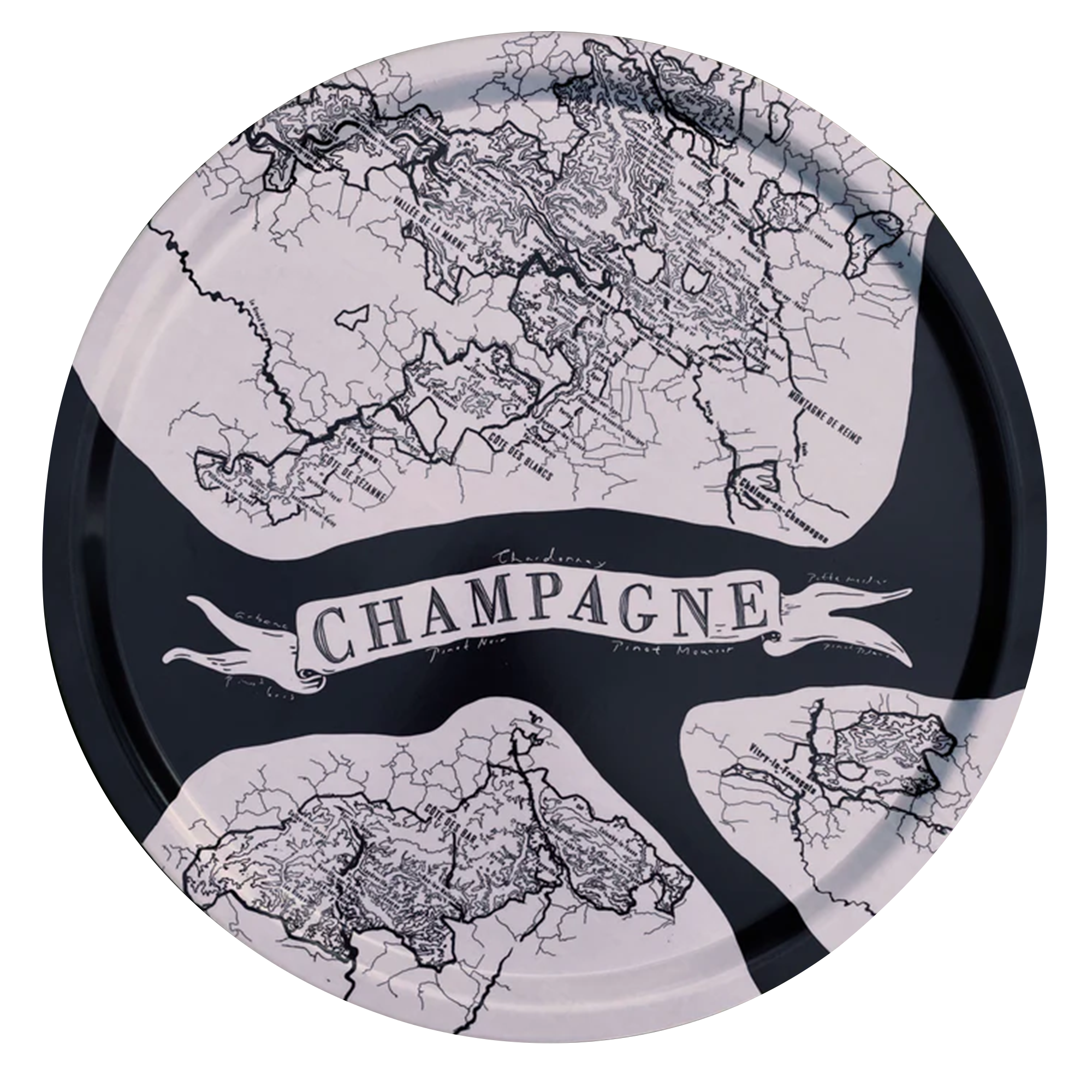
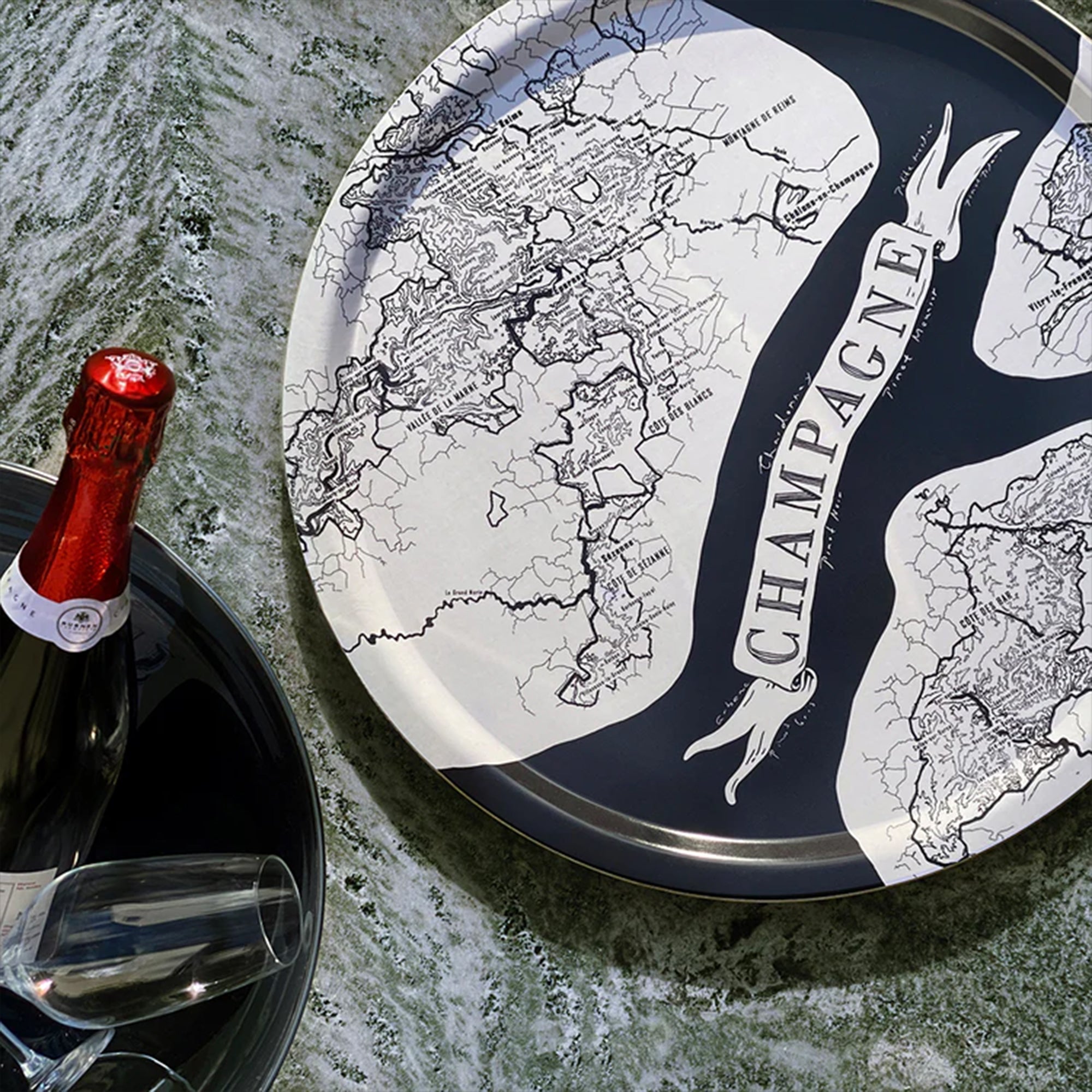
We also owe the chalky bedrock that Champagne thrives on to the Basin. It extends under the English Channel to southern England. Just look at the cliffs of Dover: chalky white! Beautiful, isn't it?

It's no wonder, then, that Champagne growers are looking beyond their noses and chalky terrain. A few Grandes Marques have already made the leap, such as Pommery and Taittinger . This makes the brand even more important in Champagne. Another clever marketing stunt. Pommery is doing its best to promote the Pommery brand, but Moet & Chandon takes the cake. Just check out the hashtag #moetmoment .

Not only does the fact that England shares the same chalky soils as Champagne contribute to its success, but global warming also plays a role. The average annual temperature in the Southdowns is 9.8 degrees Celsius. In Champagne, it's 0.4 degrees warmer. The difference is greater during the growing season, which explains the generally higher acidity in English wines. The question, of course, is how long this will last...
Let's first put it to the test. Peeters Wine Merchants, together with Alexander Renner, organized a sparkling wine tasting: Ridgeview vs. Fleury.
Tasting notes: Ridgeview
Ridgeview is one of England's most famous wineries. Founded in 1996 and located in East Sussex, it produced only vintages for a long time. This was simply because the popularity of their sparkling wines was too great and they couldn't build up a stock of reserve wines. Moreover, the bank didn't consider such a stock of reserve wines a lucrative idea. However, the tide turned in 2014, and they have since produced a non-vintage: Bloomsbury. Bloomsbury—named after the London borough of the same name—contains vintages of 2012, 2013, and 2014.
Ridgeview Bloomsbury NV Brut
A lovely sparkling wine to start with. The high acidity will awaken your taste buds.

Ridgeview Cavendish 2014 Brut
A vintage champagne, and you can taste it. More toast, more floral notes, and less green apple. The acidity comes back in the finish.
Ridgeview Blanc de Blancs 2014
Lemon tart, lemon curd, citrus. The mousse is finer (the bubbles are softer) than the first two. Many tasters like it, but I'll go for the next one.
Ridgeview Blanc de Noirs 2013
Am I more of a Pinot Noir fan after all? Perhaps. It seems less acidic – but that's probably because there's more going on. A bit of toast, earthy notes, and red fruit (and baked peach tart).
Champagne is expensive, and that's reflected in the cost price for one kilo of grapes: €6.20 ( source ). For cava, which covers a much larger area, the price is much lower, at €0.60. What are the prices like in England?
Tasting notes: Fleury
Fleury Champagne House is located in the Côte des Bar, a small Champagne region that is increasingly establishing itself. Its geographical proximity to Beaune (Burgundy) is perhaps one explanation for its success. The Champagne Houses here own many of their own vineyards and produce champagnes where terroir plays a significant role. Fleury does this like no other. Since 1989, they have been working biodynamic – long before the whole hype started.

Fleury Blanc de Noir NV Brut
Much more floral than the English Blanc de Noir. The aromas of cherry turnover (apple turnover but with cherries) give me a nostalgic feeling.
Fleury Cépages Blancs 2009
White grapes, so not just Chardonnay? Right, there's a bit of Pinot Blanc in there too! That's perfectly fine. Just read on . It turns out to be the better one (for me) than the Ridgeview: lovely aromas of brioche and peach.
Fleury Bolero Blanc de Noir Extra Brut 2006
Burgundy and Champagne in one glass. This is a 100% Pinot Noir, 50% of which has been aged in wood. The wine has been aged on its lees for seven years and sealed with a cork (just like with Bollinger ). This creates micro-oxidation and makes the champagne rounder. Aromas of toast, dried figs, and wood. Very nice. A top-notch champagne for €56.95.
Fleury 2005 Extra Brut
Vintage champagne made from 100% Chardonnay, aged for 10 years on the lees (also corked). Aromas of orange marmalade, honey, flowers, and subtle toasted toast.
Conclusion
Before this tasting, I didn't know England shared so many similarities with Champagne – in terms of climate and soil, and therefore also in terms of sparkling wines. That vast inland sea provided the same soil, but Champagne was located a bit further south and was naturally surrounded by winemakers, so okay, they win. For now, anyway...
But don't lose sight of England. We'll be hearing a lot more about this. Perhaps stock up now for ten years from now?
Ridgeview and Fleurie sparkling wines are available for purchase at Peeters Wine Merchant in Rotterdam.
Like what you read?
Then follow me on Instagram or Facebook and stay up-to-date on my adventures and new articles. Le Club des Vins sends out a monthly newsletter called "Wine Fun in Your Inbox." Want to join ?





Share:
The Road to Weinakademiker - Part 1
Inside the Chateau de Beaucastel