
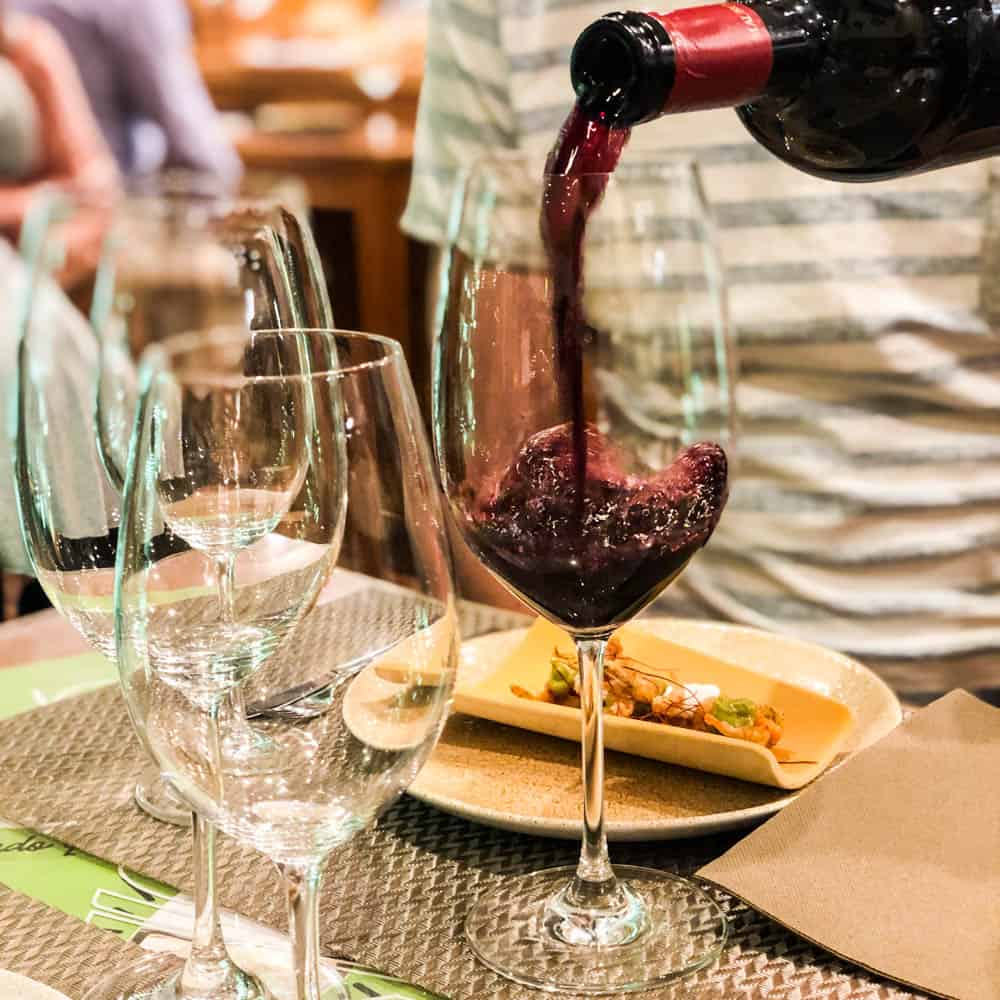
“Tannins are a diverse and complex group of chemical compounds that occur in the bark of many trees and in fruits like grapes. Strictly speaking, a tannin is a compound that is capable of interacting with proteins and precipitating them; this is the basis of the process of tanning animal hides (hence the name tannin) and is also a process that is believed to be responsible for the sensation of astringency.”
– Jancis Robinson
Jancis, thanks. I don't get it at all. Don't worry, I've thoroughly researched it. We all know it: that drying mouthfeel you experience when drinking red (and orange) wines. White wines also contain tannins, but in much lower quantities that are often undetectable. Too much tannin isn't pleasant, but the right amount contributes to the mouthfeel, texture, and overall wine experience.
How do you describe tannin in wine?
Tannin is an important component in describing the mouthfeel of wine. To describe tannin in wine, we often use words we know from everyday life. For example: hard, soft, green, coarse, grainy, Grippy , ripe, unripe, supple, aggressive, subtle, velvety, etc. Can you imagine? Some terms have clear positive or negative connotations. Note: these are objective terms that you need to learn and use. If you've never drunk red wine in your life, even a Beaujolais probably has aggressive tannins.
💡 Did you know that tannins are very typical for the grape variety?
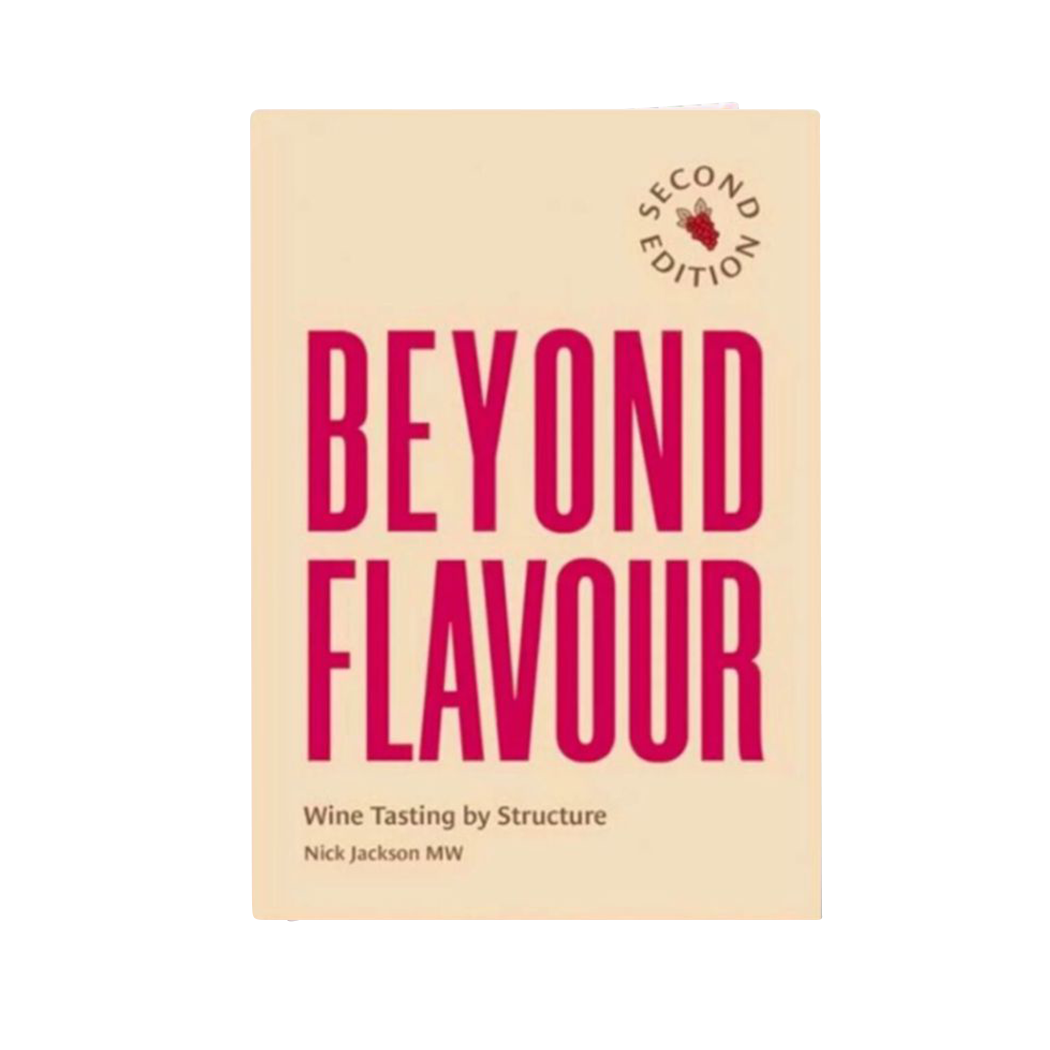
Below you will find a few examples as mentioned in the brilliant book of Beyond Flavor :
- Sangiovese from Chianti Classico, for example: sandy tannins
- Malbec from Argentina: robust tannins
- Matured red Bordeaux of the highest level: velvety tannins
- Grenache from Spain: sticky tannins
Sounds a bit odd, but you get the picture, right? Of course, there are always exceptions to the rule. Maybe you have your own vocabulary for describing tannin. Give it a try the next time you drink a glass of red wine.
Where do tannins come from?
Tannins are chemical compounds in wine, known as "polyphenols," that create a bitter, sometimes mouth-drying sensation. This may sound quite negative, but it isn't necessarily so. Tannins are also called the "backbone" of a wine. They form the foundation of the wine, as a kind of coat rack on which we hang all the aromas and flavours .
Tannin is a natural phenomenon; it grows within the grape. It protects the grape from strong sunlight, much like sunburn. The more sunlight the grape receives, the more tannin it develops. Grape varieties naturally have varying amounts of tannin (for example, Nebbiolo or Tannat are naturally very tannic), but the vineyard's environment also plays a role.
Wines from cooler climates generally have more aggressive tannins, are often coarser, and more drying. But vineyards at higher elevations with brighter light intensity are also more tannic.
Warmer climates, on the other hand, or warmer vintages, for example, produce a tannin structure that is perceived as more ripe, soft, and less drying. Grape growers can create shade by pruning the foliage and thus adjust the tannin levels.
Natural tannin in the grape
Tannin is mainly found in the skin, stems, and seeds. Do you remember accidentally biting into a seed as a child while eating regular table grapes? That's Tannin . Tannin belongs to the chemical group of flavonoids. Flavonoids is the collective name for all kinds of phenolic particles.
💡 Phenols are a large group of reactive chemical species that contain many color pigments and flavor particles.
Tannins are divided into two groups: flavonoids and non-flavonoids (a bit confusing). In an acidic environment, such as wine, flavonoids release red pigment and thus bind color into the final wine. This is also an important basis for successful wine aging, but more on that later.
Then there are the non-flavonoids. These come into play when we talk about wine's mouthfeel. The most important characteristic of non-flavonoids is that they bind with proteins, in this case, the proteins found in your saliva. These proteins precipitate out of your saliva, making it less effective as a lubricant. This explains the drying mouthfeel. Have you ever looked in your spittoon after a tasting? The precipitating of proteins is precisely why red wine looks so much worse in a spittoon than white wine. Enjoy!
So, in a nutshell: the more skins, seeds, and stems are used in the winemaking process, the higher the tannin content in the final wine, and the more drying the mouthfeel.
Except sometimes: whole bunch fermentation .
Tannin from wood
Wood also contains tannins, but these are different from those of the grape. The wooden barrels in which wine is aged release tannins—non-flavonoids, to be precise—in the first few years. These tannins are naturally present in the wood. There are different types of wood, some release more tannins than others. Chestnut wood, for example, contains much more tannin than oak.
Wooden barrels can add tannin, but in most cases, we use them to soften it. Wood is porous, which allows micro-oxidation to occur. The coarser the wood, the more air can pass through it. The small amounts of oxygen that enter the wine during aging react with the tannin. In chemistry, this is called polymerization. The result is "softer" tannin.
In addition, it offers protection against oxidation. We mentioned earlier that tannins were important for wines to age longer, and here's the explanation: they protect the wine from oxidation. Think of traditionally made Barolo, with its enormous tannin content. Almost undrinkable when young, they age perfectly, and after years of aging, the tannins are velvety smooth.
Just buy and add tannin
Yes, you read that right. Tannin is readily available in powder form. Not the highest quality choice, but hey, whatever flows your boat…
To learn more, check out these resources:
- Jancis Robinson – Oxford Companion to Wine
- Daily SevenFifty – The Science of Tannins in Wine
- WineMakerMag – Using tannins – purposes, sources and use in winemaking
- Jamie Goode – Science of Wine
Guest blogger: Rianne Ogink
I'm Rianne Ogink. From sports manager in Deventer, to sommelier at Zoldering in Amsterdam, to student of viticulture & enology in Bordeaux, France. You could say I've turned my hobby into my job. Spending whole days chatting with people about beautiful wines, regularly popping corks, and spending days learning how wine is made. I'd love to share my adventures on (digital) paper for you! Enjoy!


Share:
Wine production and consumption in 2021
A wine lover in Georgia