
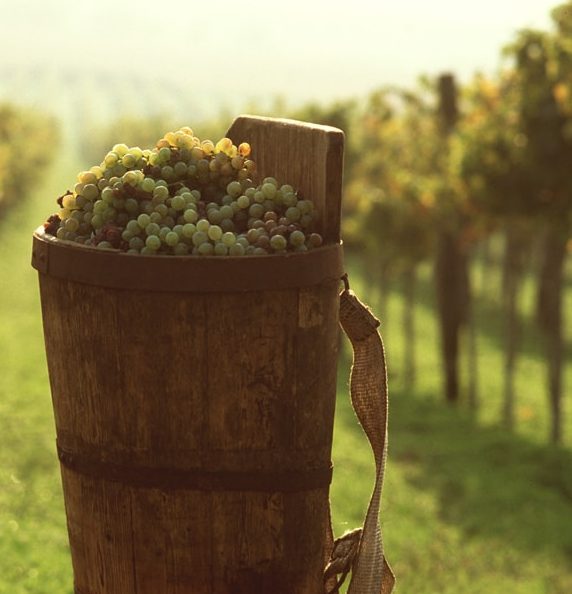
When you think of wine, Hungary might not immediately spring to mind. Yet, the country has been producing wine for centuries, with Tokaji being the most famous.
Louis XIV – you know, the French king who lived in Versailles – called the region’s sweet wines “ the wine of kings, the king of wines .” You’ll understand the moment you take a sip of this liquid gold. Incredibly complex, rich, and full-bodied. But more on that later.
Location: Tokaj
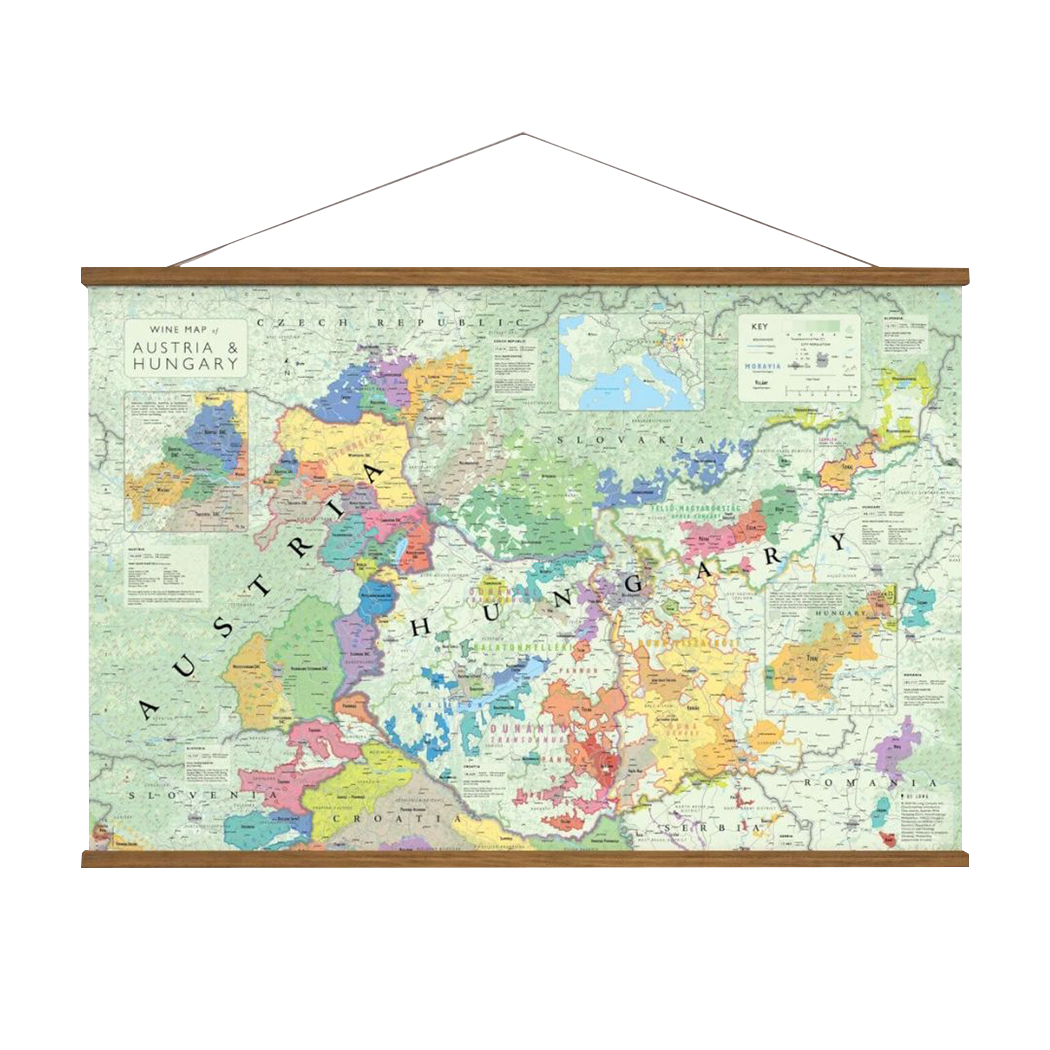
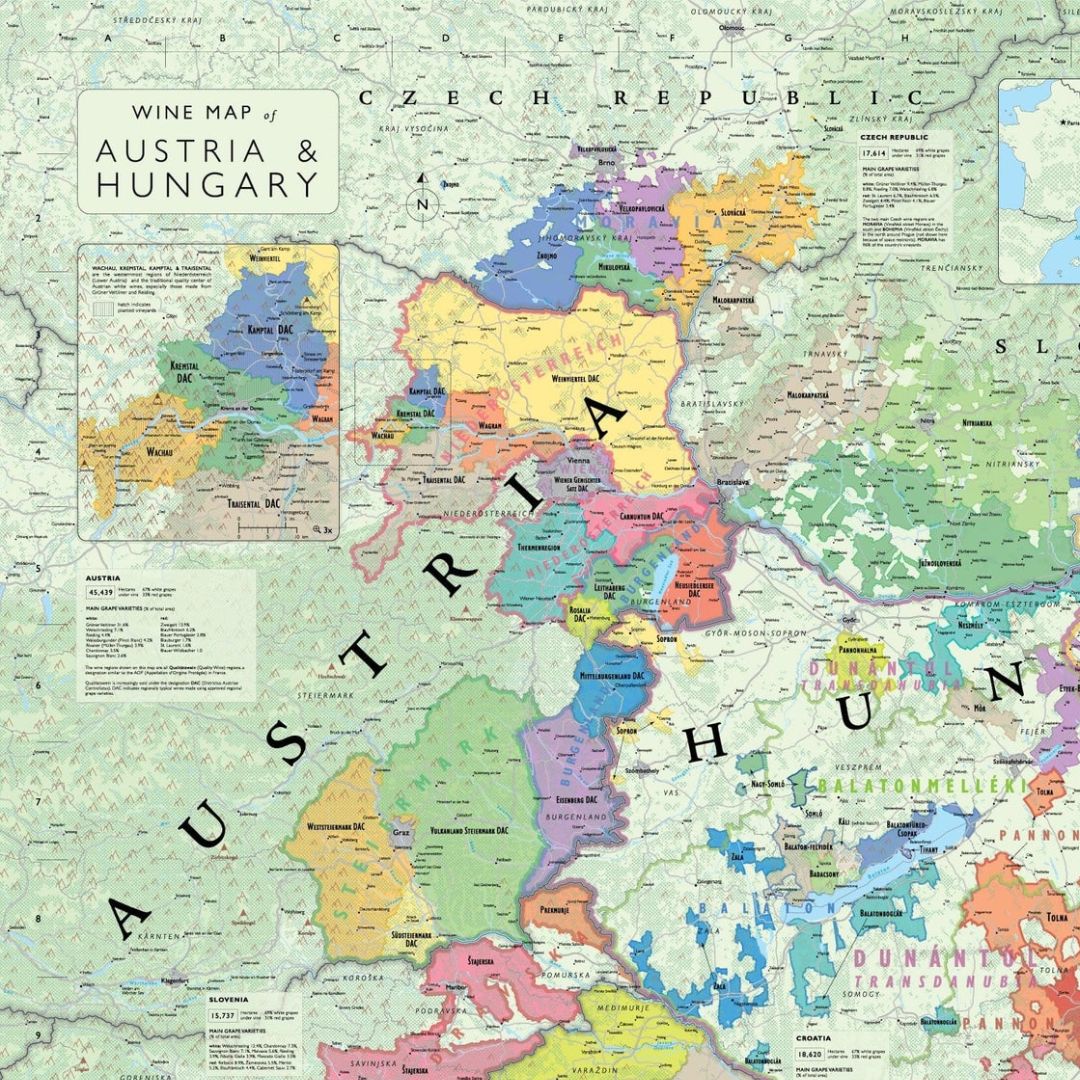
Tokaji comes from Tokaj, a wine region (and village) in northeastern Hungary, and takes its name from the eponymous mountain, Tokaj, part of the Zemplén Mountains. The vineyards are located near two rivers, the Bodrog and the Tisza, which are important to the region. The rivers create high humidity, which—combined with a generous dose of afternoon sun—is ideal for the development of botrytis.
Grape varieties
The two main grape varieties of the region are Furmint and Hárslevelű. Both originated in this area but are now also found elsewhere.
Furmint proves to be an incredibly versatile grape variety. A bit like Chenin Blanc – you can do anything with it. From sparkling to sweet, but also: bâtonnage, aging on the lees, Malolactic digestion , skin maceration, oak aging, and so on. Its naturally high acidity also allows it to age well. A winner, indeed. It accounts for 69% of the total plantings. Its main blending partner, hárslevelű, accounts for 18%. Hárslevelű is generally slightly fruitier than furmint.

Tokaji in all styles
While Tokaj may be best known for its sweet wines, it also produces—and increasingly so—crisply dry wines. Most dry wines are fermented in stainless steel, are fresh and subtle in flavor, and meant to be enjoyed young. Some producers age their wines in oak, which adds complexity to the wine. I'll explore this in more detail in a future article. Below, I'll describe the sweet styles Tokaj produces.
Tokaji Aszú
To make a sweet tokaji, we need so-called aszú grapes, which are grapes affected by noble rot. These grapes are added to a barrel with young wine or still-fermenting must to extract flavor and sugar. This maceration lasts 12 to 60 hours. The style of the wine depends entirely on the timing The winemaker's decision. When does the winemaker add the grapes? Does he add them to the fermenting must? This process extracts more flavors, and the final result is generally more complex than when aszú grapes are added to young wine.
The quantity of Aszú grapes was traditionally measured by the number of "puttonyos"—baskets filled with Aszú grapes. How many of these baskets are added? The Puttonyos scale refers to sugar levels and is considered a guideline for quality.
- 3 puttonyos: at least 60 grams of sugar per liter
- 4 puttonyos: at least 90 grams of sugar per liter
- 5 puttonyos: at least 120 grams of sugar per liter
- 6 puttonyos: at least 150 grams of sugar per liter
- Eszencia – the extra-ordinary category – more info below
After fermentation, the wine must mature for at least two years, including 18 months in wooden barrels.

For comparison: a Tokaji 5 Puttonyos (or higher) is comparable to a Sauternes. Chateau d'Yquem, for example, released a wine in 2015 with 144 grams of sugar per liter. A Beerenauslese must have at least 150 grams of sugar per liter according to German law. Don't be fooled by the sweetness. Sure, they're sweet wines, but each one also has a good amount of acidity.
Tokaj Eszencia
Eszencia is exceptional. It's the free-run juice of Aszú grapes. A syrupy wine with minimal fermentation, as the yeast spontaneously enters a sugar coma upon contact with the juice. Eszencia often weighs over 450 grams per liter and is usually served on a spoon. It's extremely valuable, as it's incredibly rare. After all, it takes a lot of grapes to fill a single bottle.
You can score the Oremus Eszencia from Vega Sicilia for the a mere sum of 499 euros .
Even more styles
Many other styles are made, of which "Szamorodni" has the most amusing name. Szamorodni means "as it comes" and can be made either dry or sweet.
Photo above: Tokaj Wine Tour
Share:
The natural wines of Elisabetta Foradori
SSP & Tignanello