
Are you familiar with the abbreviation SSP? I'd never heard of it either until recently, when I came across it in the book "The Sommelier's Atlas to Taste." SSP stands for Sommelier Sangiovese Problem. It turns out it's a thing. Sangiovese is the most widely planted grape variety in Italy, but you never hear anyone talk about it. Why is that?
The book's author explains that the answer lies with the grape itself. Sangiovese is arguably an even bigger diva than Pinot Noir and places high demands on its environment. Not too hot, not too cold, preferably some lime in the soil, a southern or southwesterly orientation, and so on. Add to that the fact that Tuscany, where the grape takes center stage, is the most beautiful place on earth, and it doesn't really matter whether your vineyard is situated in the most ideal terroir—as long as it's beautiful. People will come anyway.
Curious? Then read my article about " Five-day road trip through Tuscany ."
In short, not everyone is eager to get the most out of Sangiovese. Fortunately, as everywhere in the wine world, there are exceptions. One of them is Tignanello, the most famous wine of Antinori, and perhaps even of Italy. I want to tell you more about it in this article.
The rise of the super Tuscans
The story of Tignanello begins a bit like a fairy tale. Once upon a time, there was a region, Chianti Classico, with strict regulations. Regulations that no longer reflected the spirit of the time. Back then, it was mandatory to add at least 10% white grapes to the blend. These were often productive grape varieties, not very good for the wine. One of the first producers to challenge this was Antinori, who introduced Tignanello: a Sangiovese with a touch of Cabernet Sauvignon.
Oh the horror . A French grape in Tuscany? Not such a crazy idea at all. While Cabernet Sauvignon in Bordeaux sometimes struggles to reach full ripeness, it's easier in Tuscany. Tuscan producers had already recognized this and began planting Bordeaux varieties in the 1960s, leading to the arrival of so-called Super Tuscans like Sassicaia and Ornellaia .
Tignanello
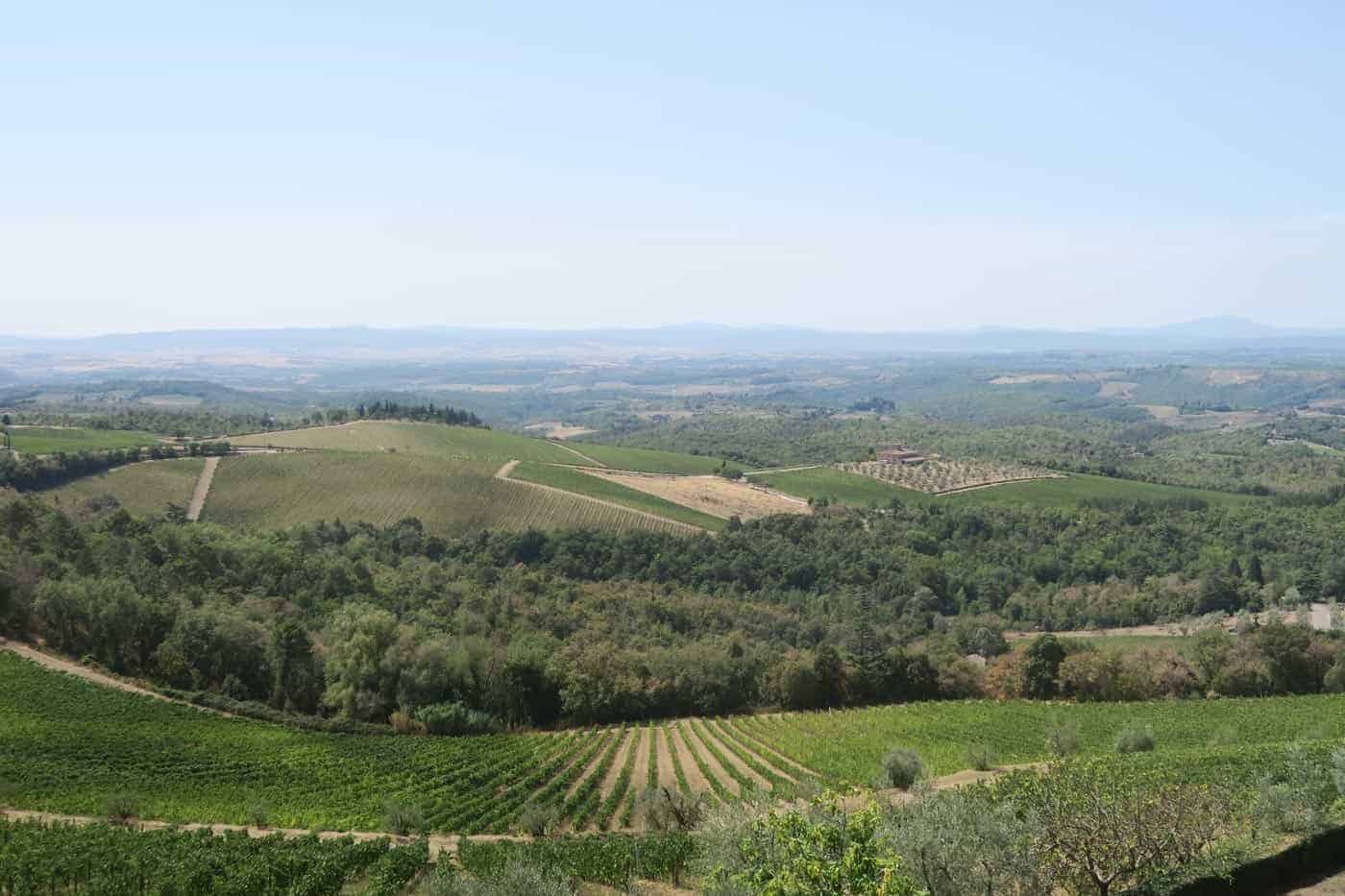
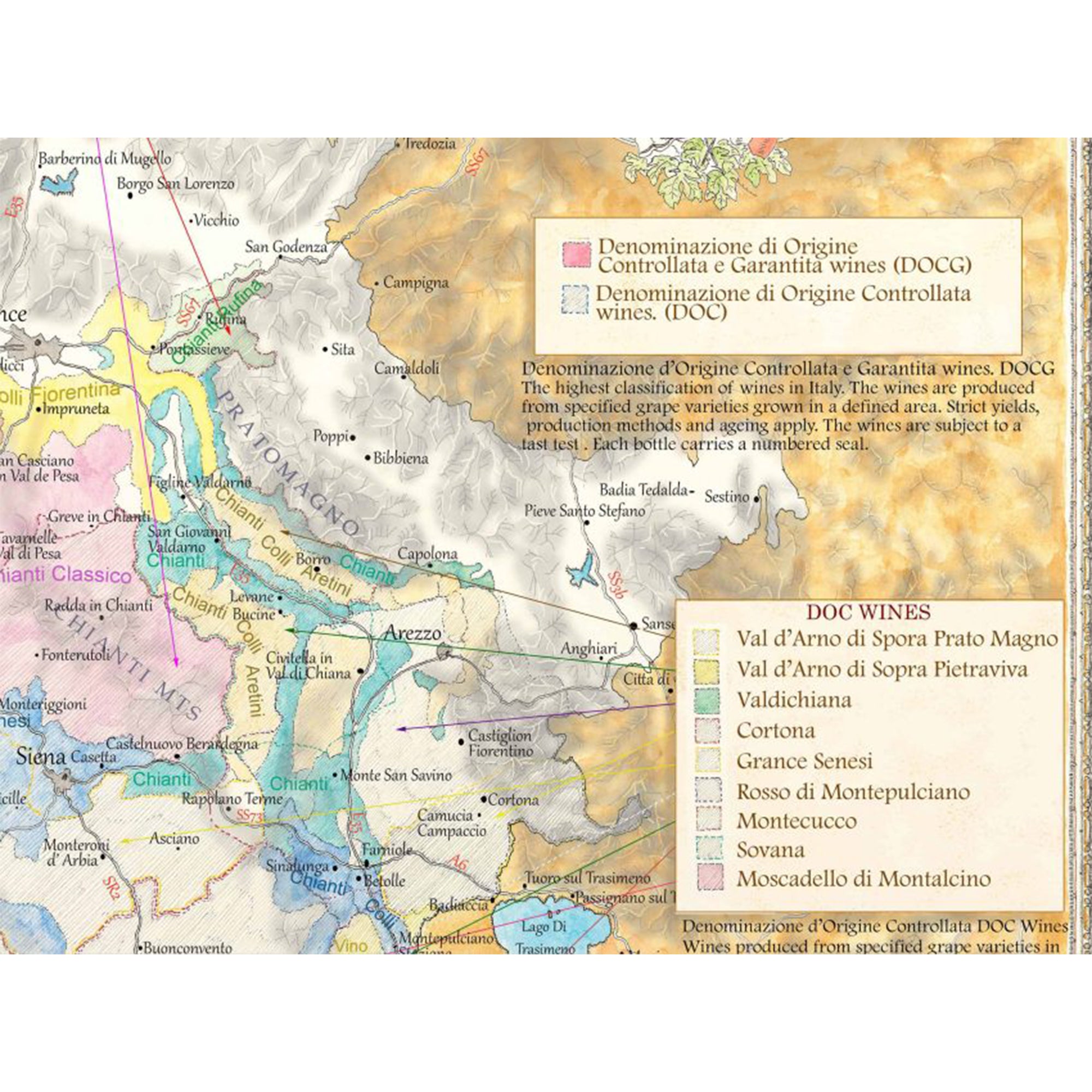
Back to Tignanello. It's the name of a vineyard in the Classico zone. Situated on a sunny slope with a southwesterly exposure, at an altitude of 350 to 400 meters, the soil is rich in limestone. This limestone is beneficial because it's poor in nutrients, forcing the vines to work harder and thus producing more concentrated fruit. In addition to Sangiovese, Cabernet Sauvignon and, more recently, Cabernet Franc are also planted here.
When Tignanello was launched in 1971, it wasn't allowed to be labeled as Chianti Classico. It didn't meet the regulations. It became nothing more than a Vino de Tavola (although the price was, and still is, different from an average table wine). Over the years, Tignanello has been upgraded to an IGT Tuscany, but a DOCG will never appear on the bottle. I think.
It's allowed these days. Since 2006, DOCG Chianti Classico has changed the rules and ditched the white grapes. Too little, too late. Tignanello remains a delicious IGT. They no longer need such a classification to distinguish themselves. Every wine lover can imagine this story.
Problem solved
So give Sangiovese a try. The grape deserves it. Forget the fiasco bottles. Nobody likes them. Choose a good producer, like Antinori, and enjoy it to the fullest.
This article was written in collaboration with Wereldwijnonline.be .
More Tuscany?
- Inside view of Castello di Brolio
- Five-day road trip through Tuscany
- First restaurant on the left in Bolgheri
- Read the book Sommelier's Atlas to Taste
Photo: Marchesi Antinori
Share:
Tokaj, the liquid gold from Hungary
Mats wants to become a Master of Wine (part 3)