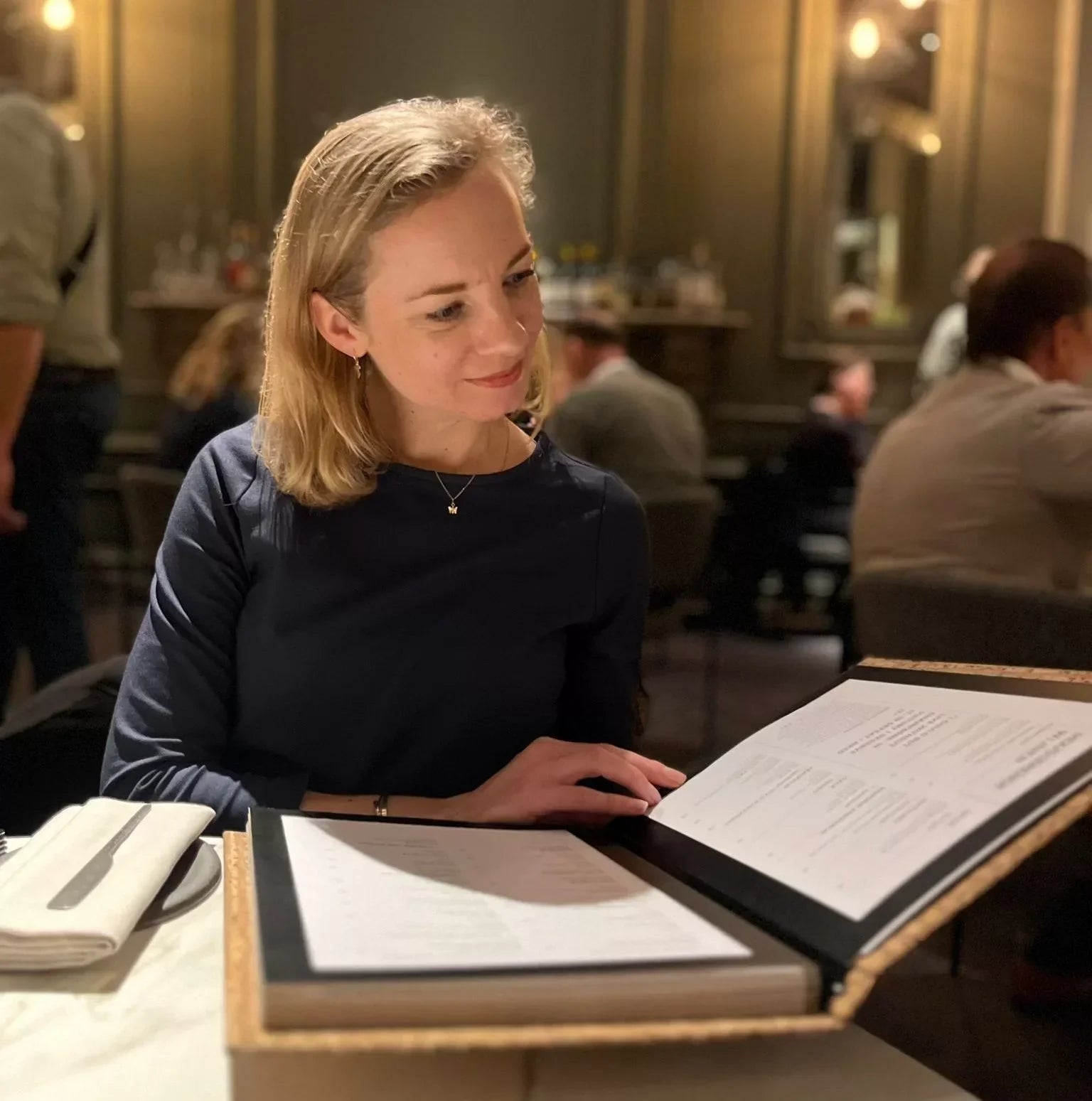
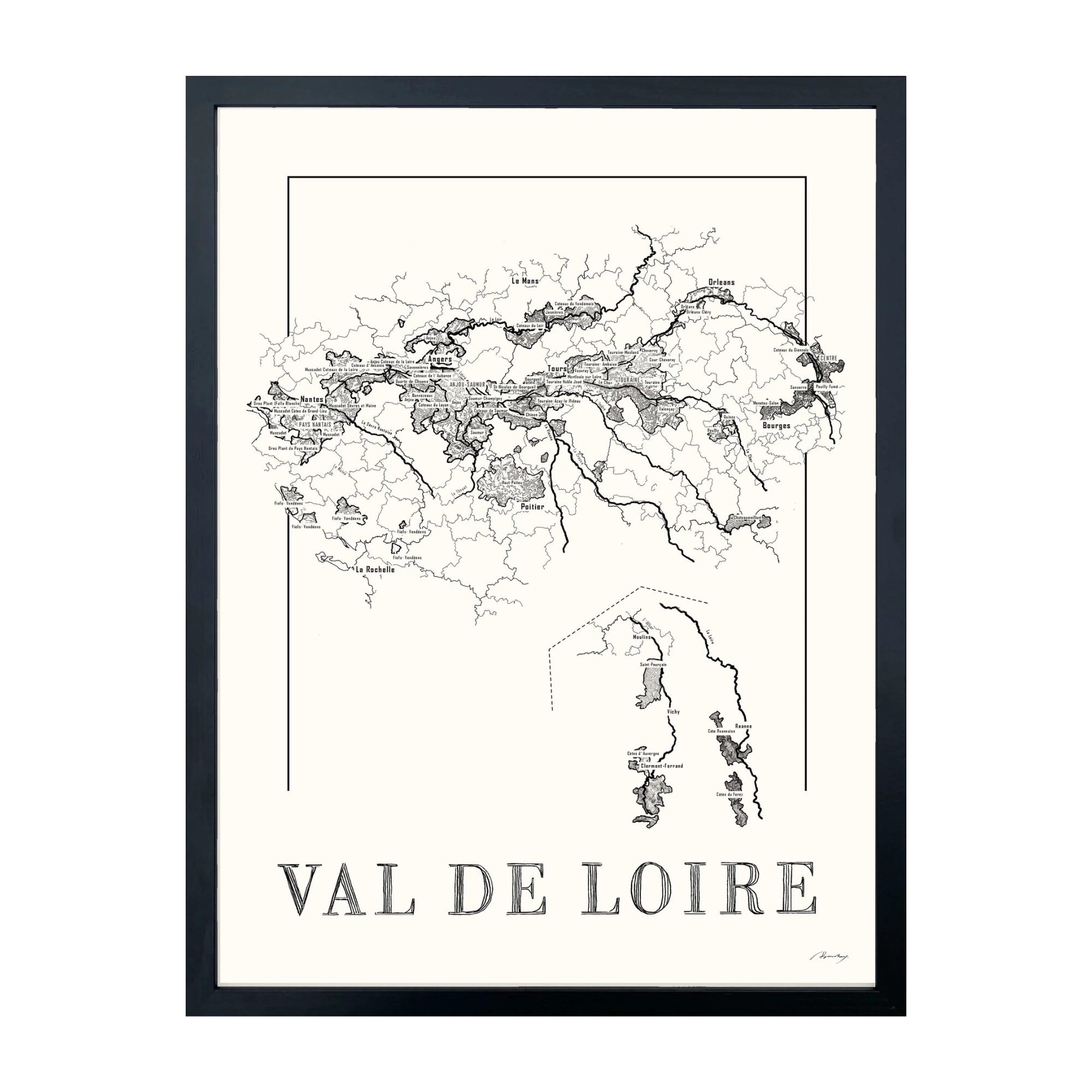
In my wine circle, I'm known as "the Loire girl." During my French studies, I spent six months in Angers, in the heart of the Anjou wine region. Unfortunately, at 19, I wasn't yet involved with wine and mainly drank cocktails and Monaco—a mix of beer, 7UP, and grenadine syrup…
Fortunately, I later discovered what beautiful and diverse wines this region produces. It was time to go back and delve deeper into the wines.
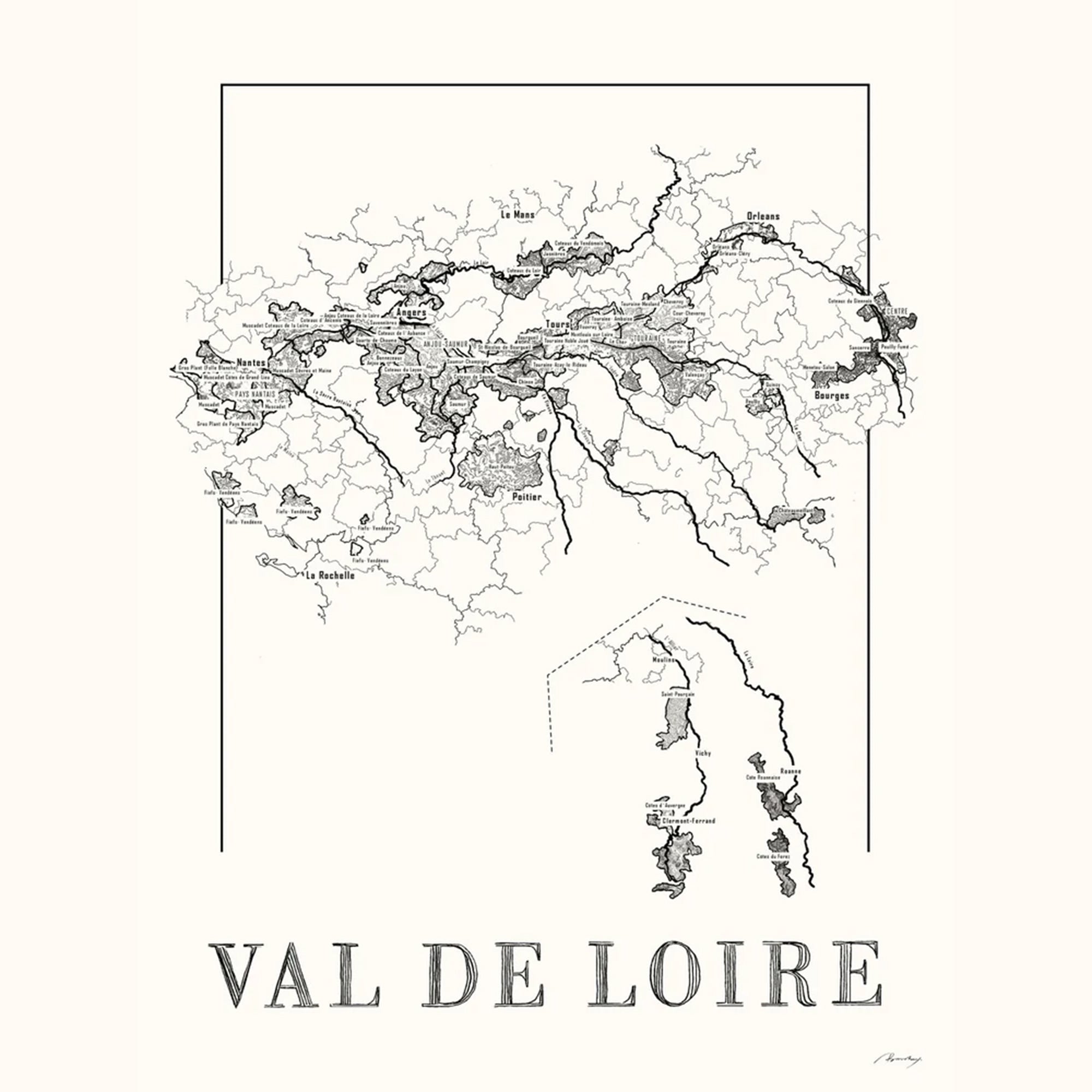
About 50 years ago, the Anjou region was primarily known for red wines made from Cabernet Franc, but these days, white wines are also gaining popularity here. Although a small percentage of Sauvignon Blanc and Chardonnay is permitted for Anjou Blanc, it all revolves around one grape: Chenin Blanc. After visiting Domaine Haute Perche, just outside Angers, I visited Savennières and Vouvray, two regions that produce absolutely top-notch wines from this grape.
Savennières
In Savennières, the soil consists primarily of schist, a type of slate. The appellation has existed since 1852 and covers 30 hectares, cultivated by forty winemakers. Savennières primarily produces dry wine, but in exceptional years, sweet wines are also made (such as in 2022, when a Coulée de Serrant Moelleux was made from botrytis-affected grapes).
In Bistrot Le Chenin (Highly recommended!) I found Clos du Papillon on the menu, a famous vineyard with three owners. Also on the menu was Coulée de Serrant for €10 a glass. This is a renowned seven-hectare vineyard with its own appellation and is owned by the Joly family, who operate entirely biodynamically. The wines are sometimes seen as intellectual and difficult, but when given a little breathing room, this is Chenin Blanc at its best! Bistrot Le Chenin , 1 Place Simone Veil, 49170 Savennières.

Vouvray
Then on to Vouvray. Same grape, but different soil: clay, chalk, and flint. The area begins in the Loire Valley and then rises steeply. Caves, known as "caves troglodytiques," have been carved into the limestone rocks. Some are inhabited, but many serve as wine cellars. Throughout the region, you see the excavated limestone, once used to build houses and castles with slate roofs.
In Vouvray, they make both sweet and sparkling Chenin Blanc wines. Whether sweet wine is produced depends on the year. In colder years, sparkling and dry wines are primarily produced, while in warmer years, demi-sec, moelleux, or even liquoreux wines are also produced from botrytis-affected grapes. The least ripe grapes (early-harvested grapes) are usually used for sparkling Vouvray, which must age for at least 12 months, the same requirement as for Crémant de Loire.

These Chenin Blanc wines may be considered intellectual and not so sexy, but in my opinion, they deserve to be drunk and served more often. Hopefully, the popularity of the grape in South Africa to the French Chenins to bring back into the elevator.
The wines are delicious, full of tension and complexity, yet also accessible, always with beautiful acidity and a characteristic bitterness.
Finally: Échappées en Loire
Last tip for the French speakers among us: every year on the last weekend of August the Breaks in the Loire Organized. Here, you'll be guided through various Loire appellations by a winemaker, carrying a bag with a wine glass. This year, 13 appellations participated. The organization is a bit of a slog, but it's very educational – and delicious!

Share:
Yes, I am a Certified Sherry Educator
Do you already know these three winemakers from Andalusia?