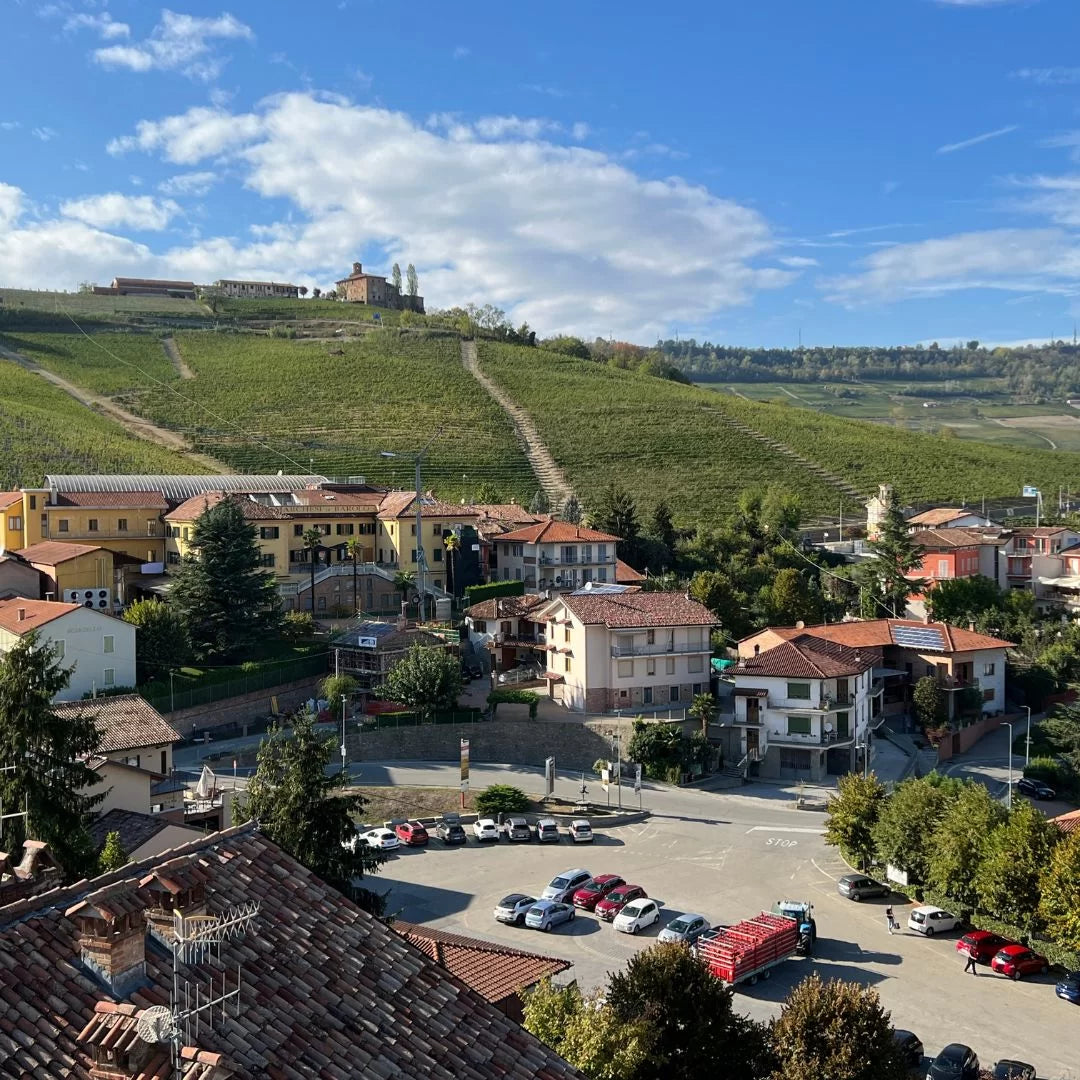
Borgogno is a centuries-old winery in Piedmont. In Barolo, to be precise. It might even be the oldest winery in Piedmont, but I wouldn't be too sure. From some 40 hectares of vineyards, they produce around 250,000 bottles a year, including top notch Barolo. For that reason, and also because we've always had this winery on tap since Walsjérôt's inception, I really wanted to stop by.
Barolo
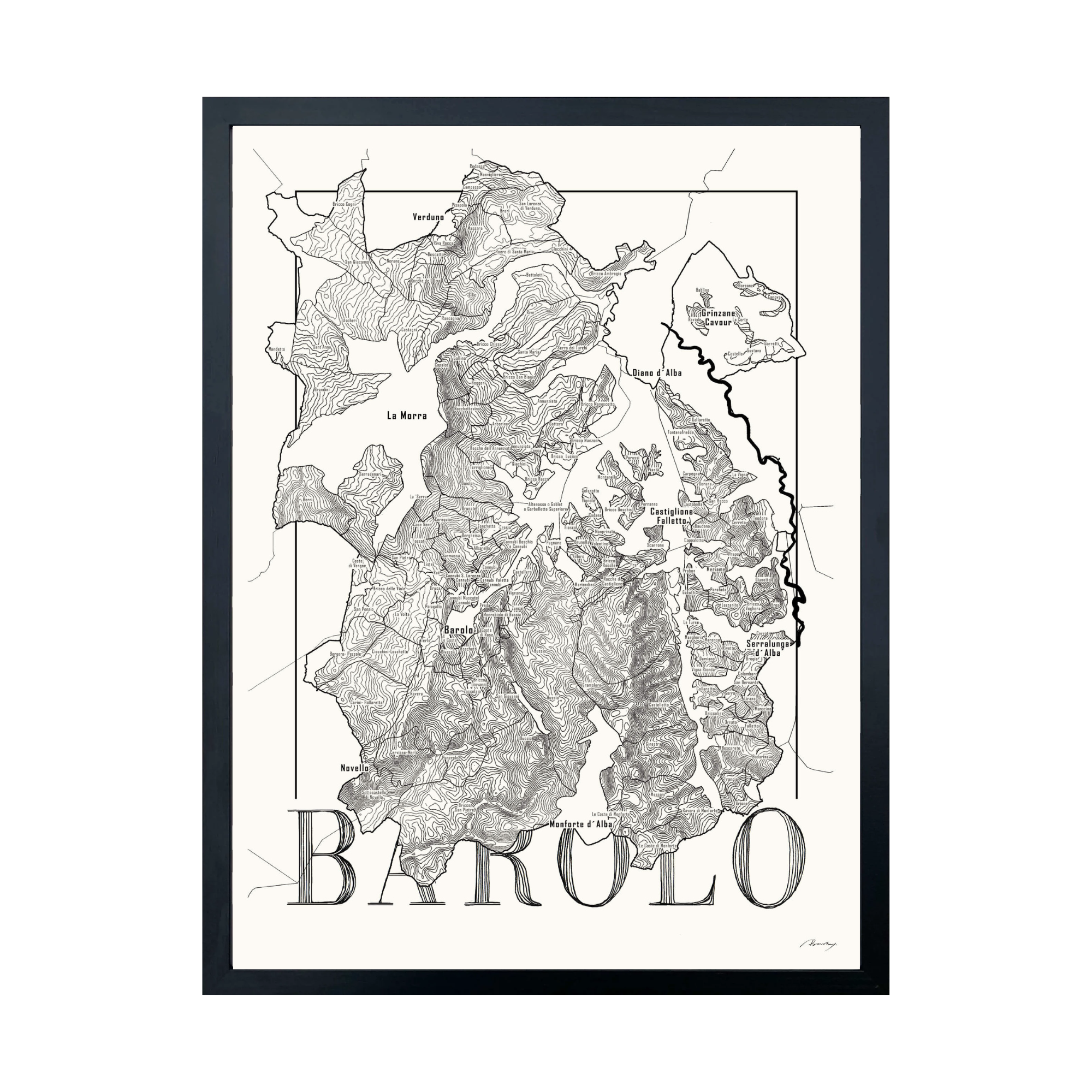
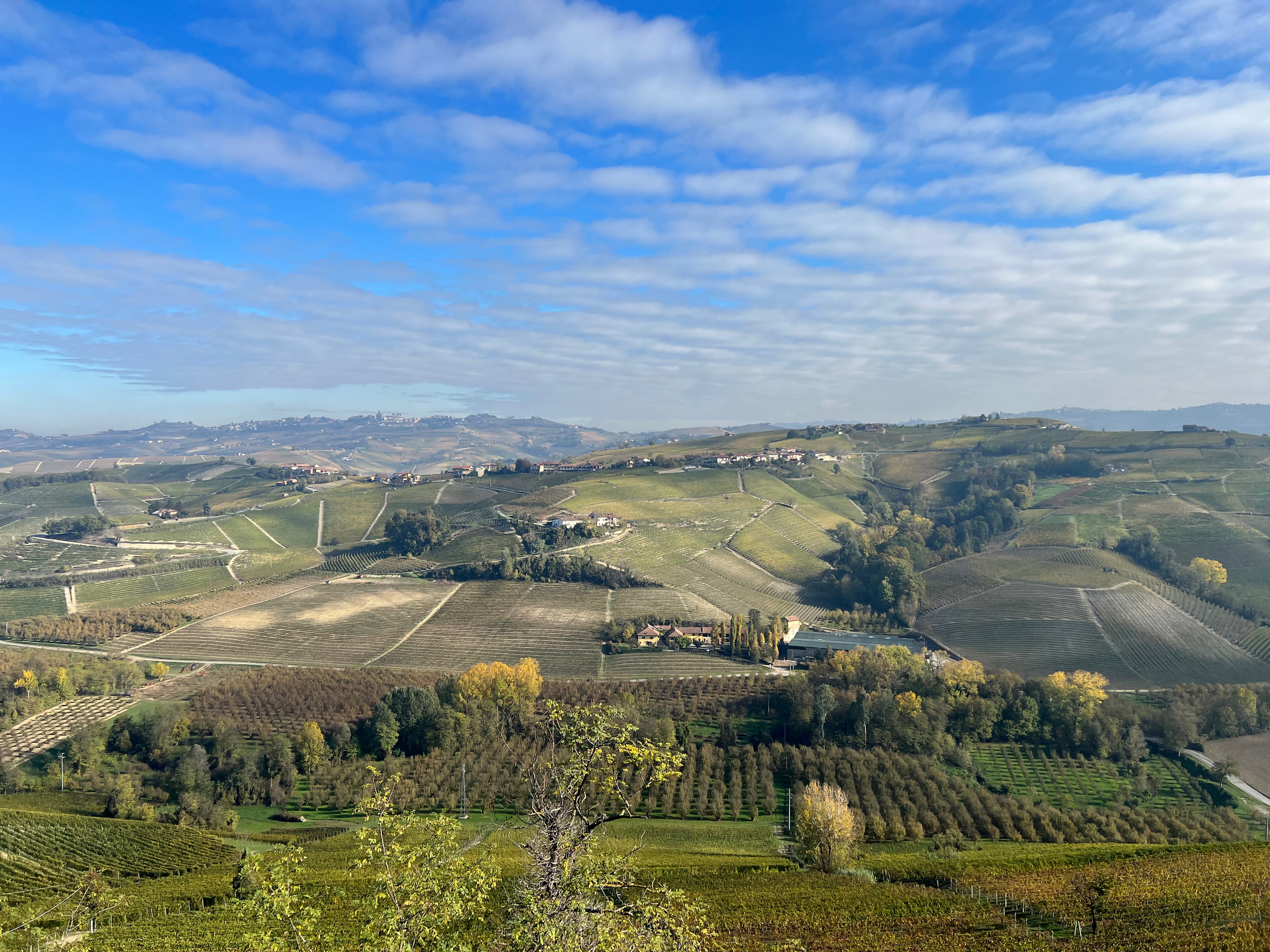
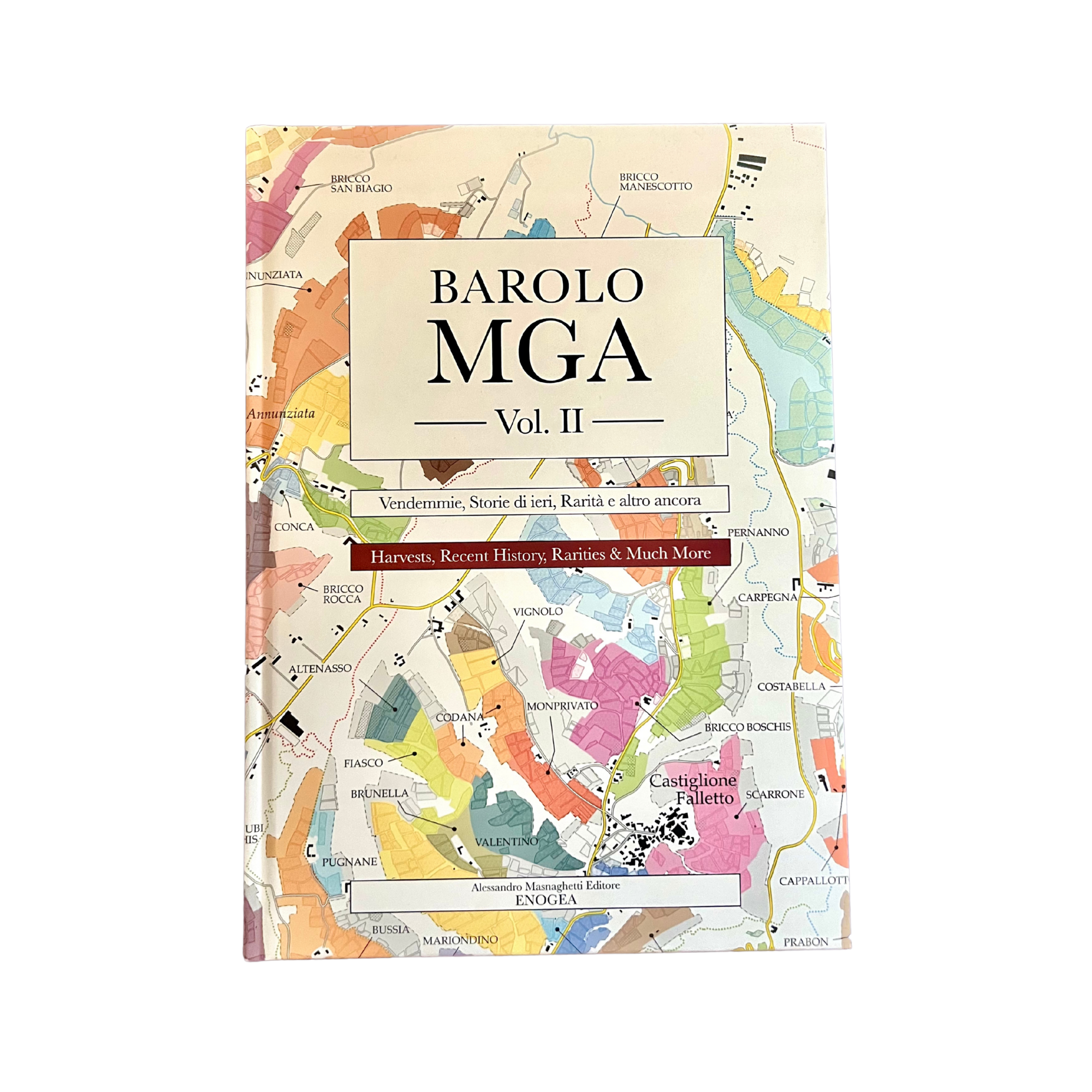
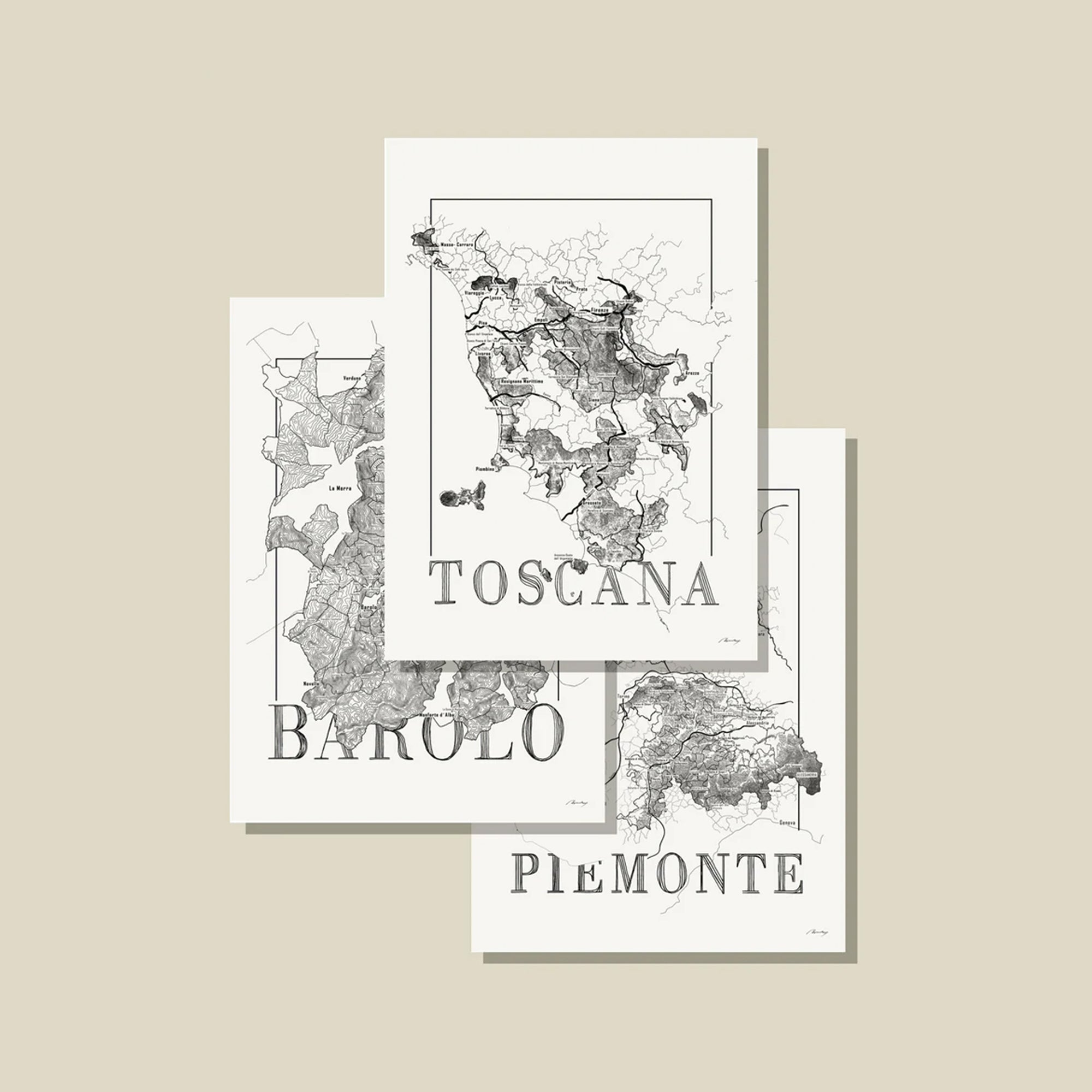
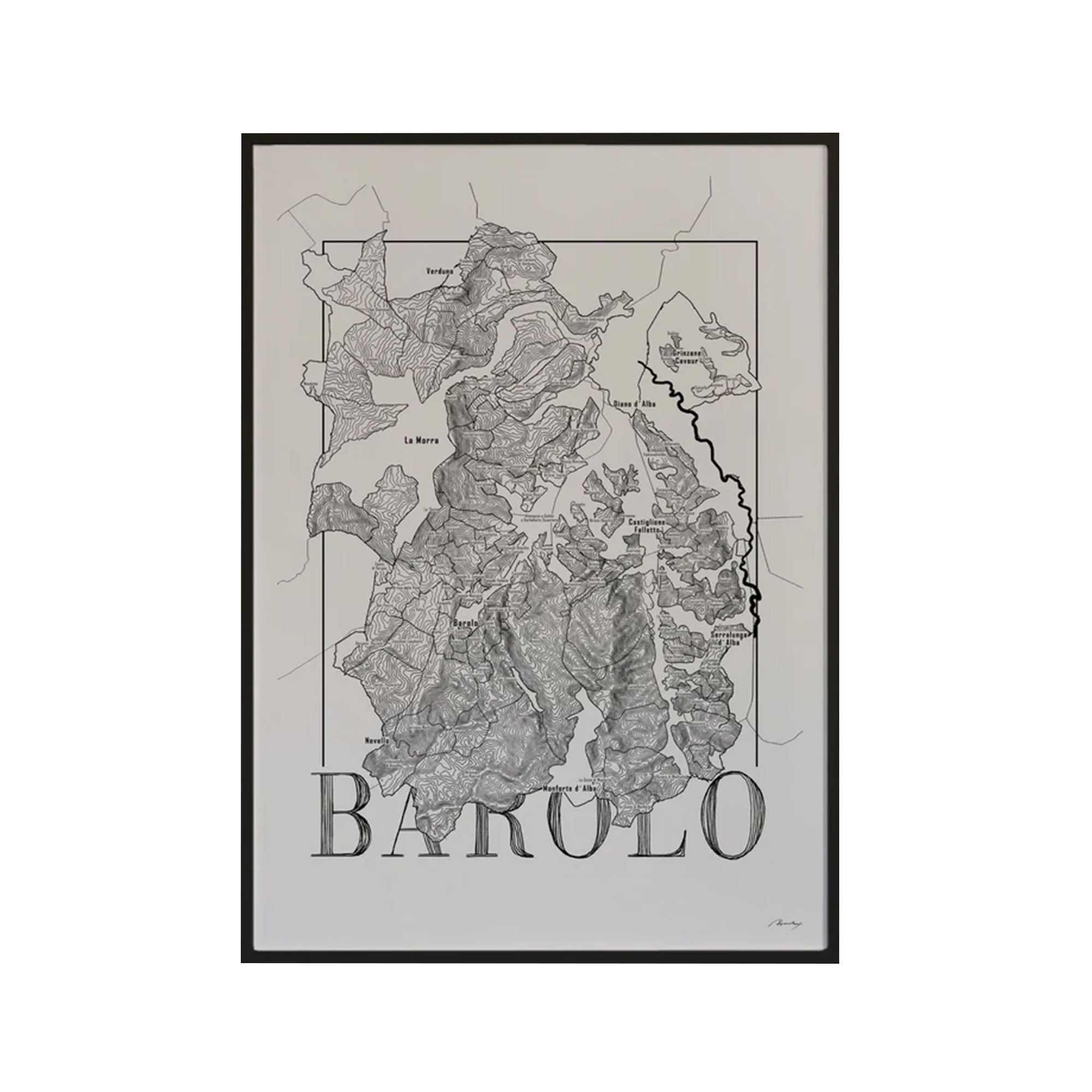
While I'm writing this blog, I'm sitting in a wine bar in Turin House of Barolo In Turin (tip!). You can drive to Barolo in an hour on the toll road, and in an hour and a half, you can meander toll-free through the beautiful Piedmontese countryside. Barolo itself is a small, fairly touristy hilltop village. However, the DOCG Barolo covers eleven villages around the village of Barolo. An area of approximately 200 hectares where 15 million bottles are produced annually and which—thanks in part to its viticulture—is a UNESCO World Heritage Site.
The history of Borgogno
Borgogno is one of the wineries that produces (among other things) Barolo. They've been doing so since 1761, the earliest year for which documents have been found showing the Borgogno family trading in wine. These documents proved useful, because in 1955, officials from the Institute of French Appellations showed up with a summons. They asked Borgogno to change its name because it sounded a lot like Burgundy... Well, they didn't. Thanks to those old documents that documented the rich history and the name of its founder, Borgogno was allowed to keep its name.
Okay, another one fun fact (because that's what I always enjoy when you visit somewhere; then you learn something): the Barolo of Borgogno was used to toast the formation of the unification of Italy in 1861. Apparently Borgogno had already built up a good reputation by then.

The winemaking tradition
As I mentioned, around 15 million bottles of wine are produced annually in Barolo. That's quite a lot, but demand is also enormous. While farmers used to struggle to sell their wine (high acidity, high tannins, and not particularly fruity), Barolo has become immensely popular since the discovery of its excellent aging properties. And even now, of course, it still takes time to truly develop its full potential. Yet, every producer has their own distinct Barolo style. The length of aging in barrels and bottles is important (aside from the minimum of two years in oak and a total aging period of at least three years), but also the type of wooden barrel used. Borgogno explicitly reverts to what they've always done: aging in very large barrels (often holding several thousand liters). Most are made of Slavonian oak, but the oldest barrel still in use is made of chestnut wood and is already 120 years old. Chestnut trees are still common in the region, making them a popular wood in the past. As you can imagine, the size and age of the barrels prevent the wood from playing a dominant role in the wine's flavor. Furthermore, Borgogno is known for aging its Barolos longer than the consortium's minimum.
🎧 Want to know more about wood use? Listen to our podcast 'Ripe but Touch' >
The wines
I tasted nine of their wines in total. First, two whites. What?! Yes, they have those too. Borgogno recently planted German Riesling. They chose this grape because, like Barolo, it can age well. The vines are at an altitude of 500 meters, which creates a good temperature difference between day and night. Good for the grape! I drank the 2020 and didn't find it particularly special, but I could imagine its aging potential. If you buy it: put it away!
The second white was the Derthona 2021, made from the little-known Timorasso grape. I thought it was an unexpected discovery! The grape dates back to the Middle Ages, but in the 1980s, only one hectare remained. Thanks in part to Borgogno, the grape has been revived, and now you taste a wine with a good body, yet simultaneously a mineral freshness. Aromas of ripe apple and stone fruit. I liked it. We'll have to do something with it sometime!
Next up: Bompè Langhe Nebbiolo, or Barbera d'Alba. They're changing the name to Langhe instead of Alba. Alba is also supposedly associated with truffles and all sorts of other regional products, and less with wine. Unlike Langhe, according to Borgogno. Okay, whatever. Drink the Barbera on tap at Walsjérôt and you'll understand why it's been there since our founding: plums, cherries, coffee, tobacco, blackberries, and balsamic vinegar.
And then there's Borgogno No Name. A mysterious wine. I like to keep it that way. Come taste it in Walsjérôt and ask me about its history.
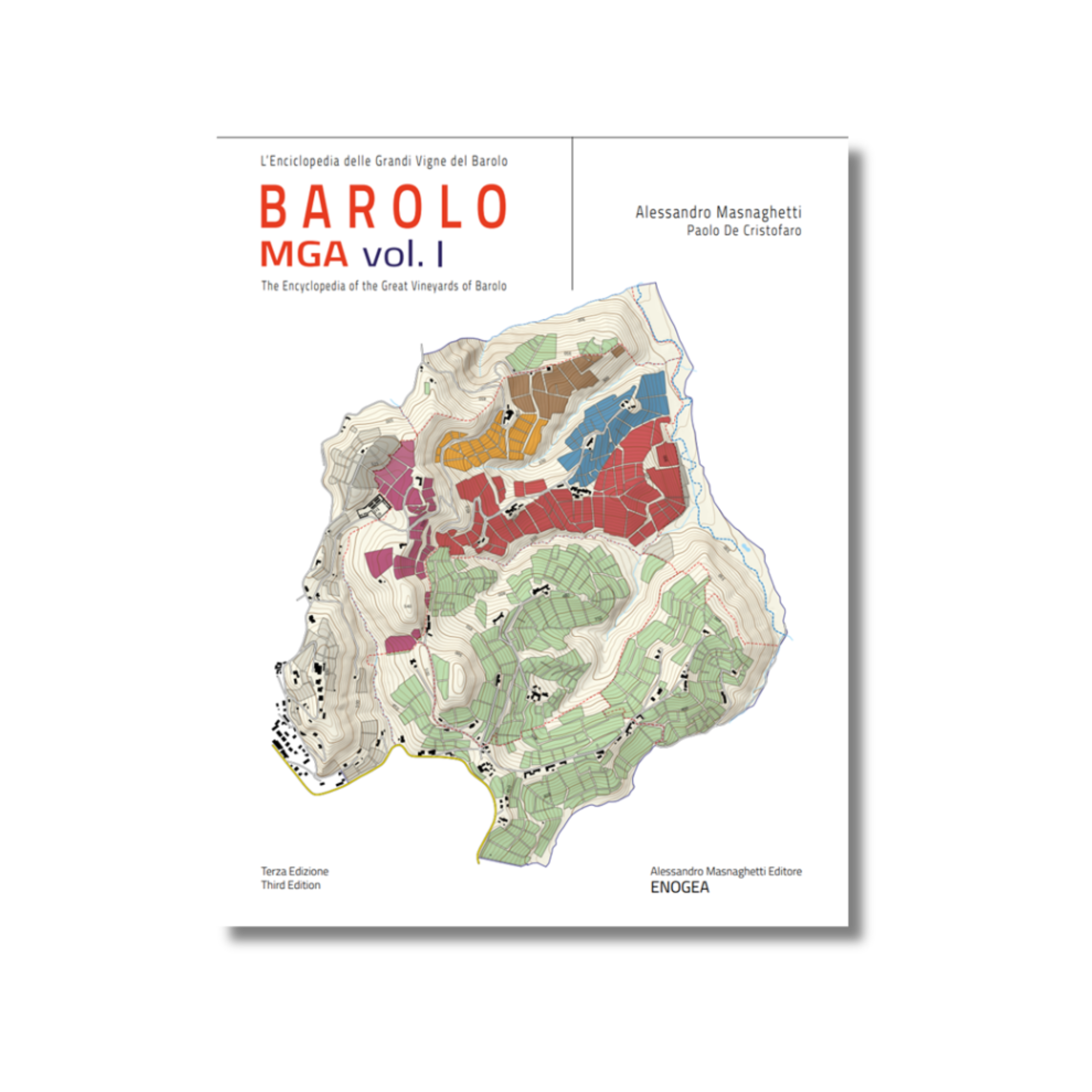
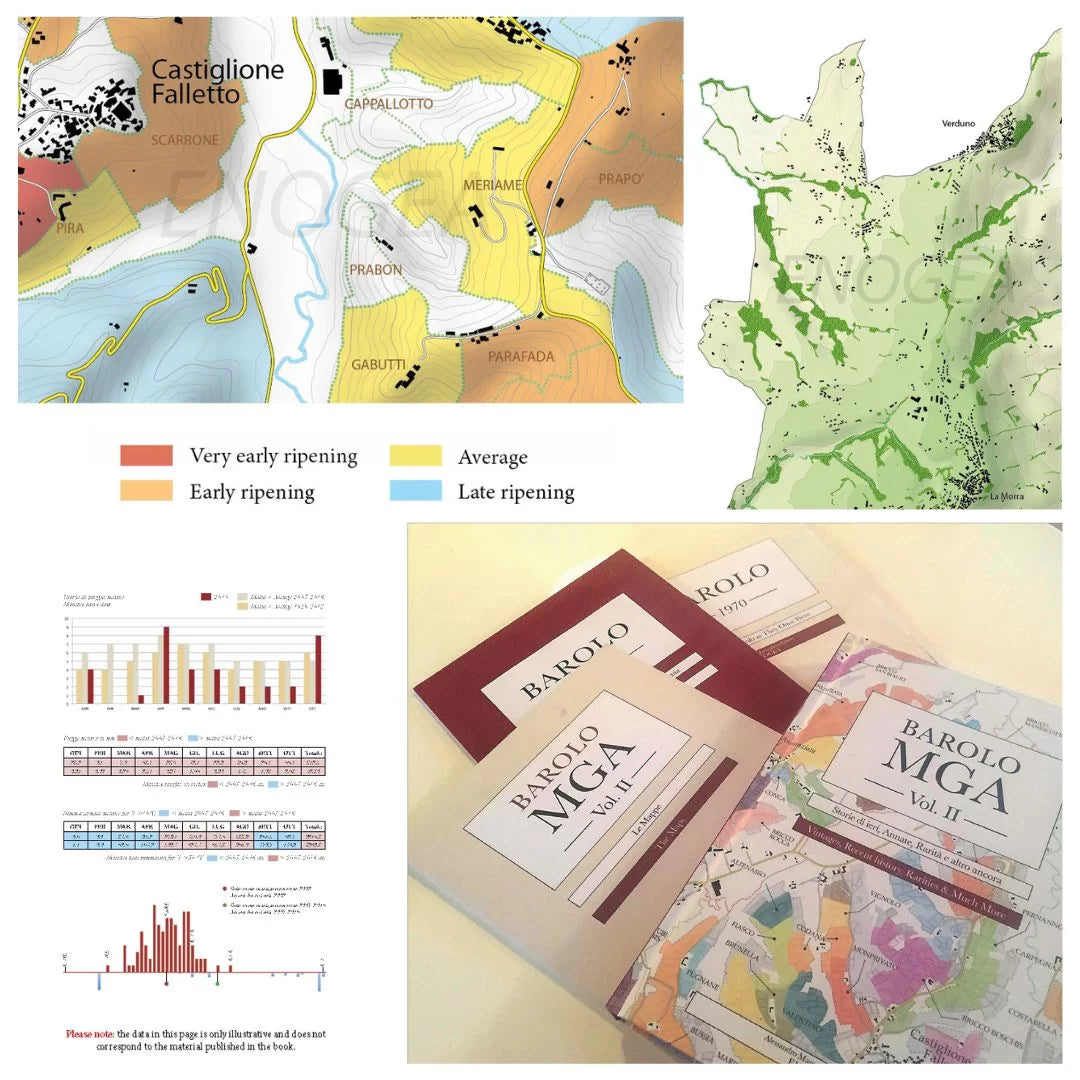
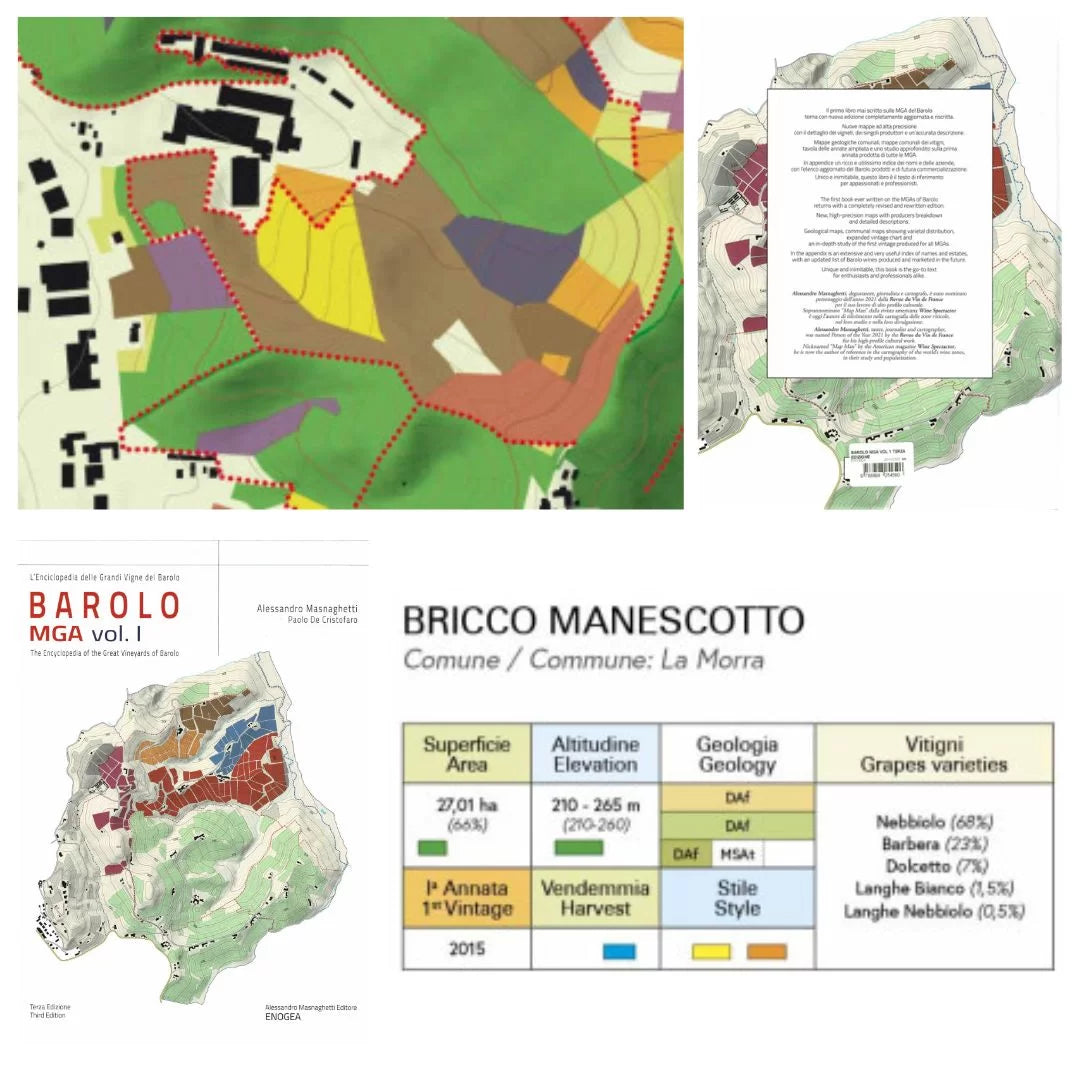
Okay, now for the complicated part. I drank Barolo, and three Barolos from different vineyards. There are 181 (!) of them. Compare it to the crus from Burgundy. It's incomprehensible, of course, and I also got a bit lost in the tasting. Long story short: I drank the 2018 Barolo, which can come from all sorts of different vineyards within the Barolo appellation. Very nice! Leather, chocolate, violet, cherry, plum, rose, and with very firm tannins (so really good to leave alone), but at the same time not aggressive (so good to drink now).
Afterward, I drank three 2017 Barolos from three different regions: Fossati, Cannubi, and Liste. Initially, the distinction was made between sandy soil, sandy and clay soil, and clay soil, respectively. However, subsequent soil analysis revealed this wasn't entirely accurate, and to further emphasize these soil expressions, they adapted the winemaking method for each individual wine, so that it at least appears to represent the soil. For example, the Fossati, from supposedly sandy soil, is aged in such a way that it tastes a bit fresher and more mineral (extensive aging on concrete). In any case, there are clear differences between the three wines, but the exact cause is a combination of the terroir and the winemaking method. Each and every one is a delicious Barolo, with a body that gradually increases in intensity and fruit.
Phew! By the time you get here, you already know a lot about Borgogno. But can I tell you one more thing? I had the chance to try their 1982 Barolo. Forty years old! And what a different flavor it gives you than the one from younger years. It becomes earthier. And you smell chocolate, Chesterfield sofas, truffle, rubber (sounds unpleasant, but far from it), sun-dried tomatoes. When I drank it, I was reminded of a very soft salami with fennel. Not one of those very aged, very hard salamis, but one of those beautiful, soft, more delicate ones. What a difference from the 2018, amazing! The tannins have softened so beautifully… Truly wonderful.

I immediately decided to buy a box and put it away. Call me back in forty years. That says it all!
More Italy ?
Guest blogger: Jelle Stelpstra
Jelle Stelpstra started his career as a tax advisor but after 12 years switched to something even more interesting than taxes: wine. Jelle owns the Walsjérôt wine bar in Rotterdam and is a vinologist. At Walsjérôt, you can pour your own wine from over 70 wines.


Share:
A wine fan in South Limburg
A look inside Smith Haut Lafitte