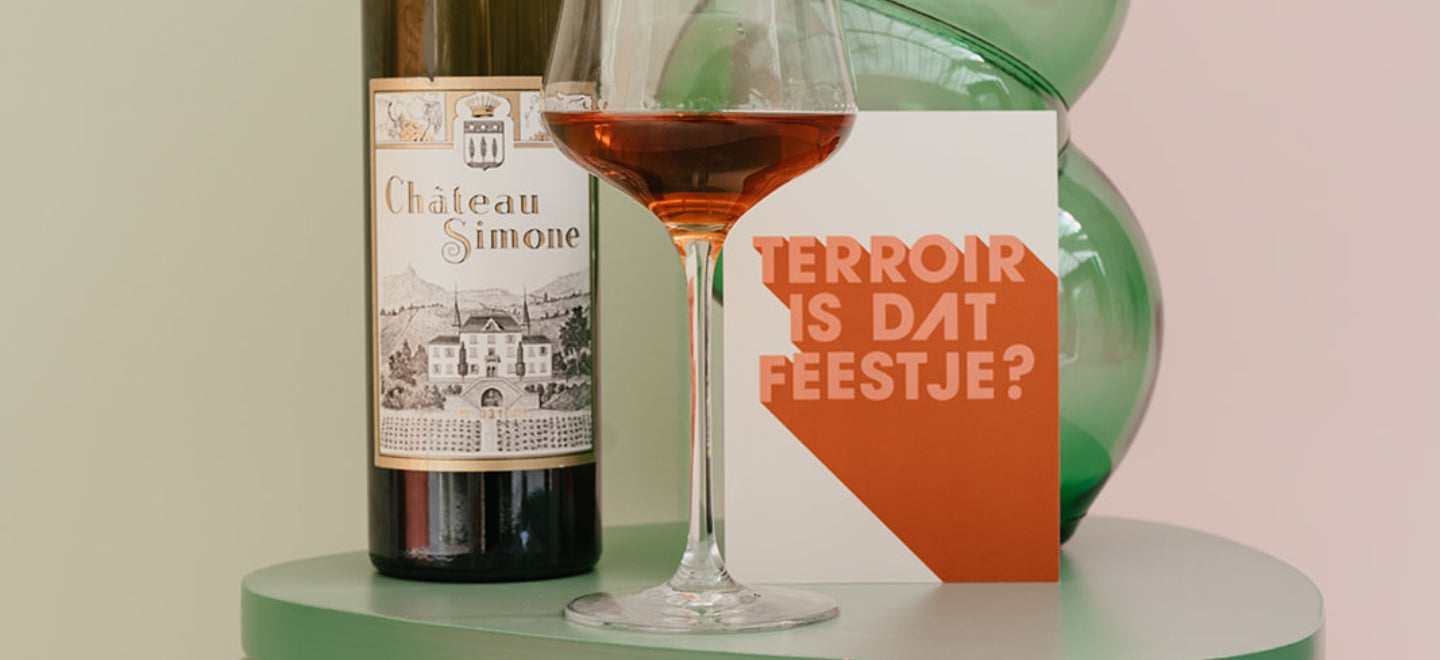
Tasting wine is more than just a simple sip. It's about aroma, flavor, and texture. Whether you're a newbie or have already uncorked a few bottles, with a few simple adjustments you can get more out of your glass. How? We're happy to explain.
Temperature: the key to success
Many people drink their wine at the wrong temperature, which is a shame. Too cold, and the aromas retreat; too warm, and the wine becomes heavy and heavy. A few guidelines:
- White wine: between 8 and 12 degrees Celsius. Is the bottle too cold? Warm it up in the glass and you'll notice the difference immediately.
- Red wine: between 14 and 18 degrees Celsius. Light and fruity, like Beaujolais or Valpolicella? Serve cooler, around 14-16 degrees Celsius. Oak-aged wines with more complexity, such as a Rioja or Bordeaux, should be served at 16-18 degrees Celsius to allow all the layers to come to the fore.
- Rosé: right in the middle. Chilled, but not ice cold, otherwise the fruitiness disappears.
Tasting wine like a pro
Tasting isn't the same as drinking. Want to truly discover what's in your glass? Take your time:
- Look – Hold your glass up to the light. The color tells you something about the wine's age and intensity.
- Smell – First, briefly smell the glass and then gently swirl it around. This will release the aromas.
- Tasting – Take a small sip and let the wine roll around in your mouth. Pay attention to the acidity, fruitiness, and finish. The longer the flavor lingers, the more complex the wine often is.
Common Mistakes (and How to Avoid Them)
Even experienced wine lovers fall for it sometimes:
- Holding the glass by the bowl – Don't do this. Your hand warms the wine, which affects its flavor. Hold the glass by the stem.
- Drinking too quickly – Wine needs time. Let it breathe in your glass and take small sips to discover the layers of flavor.
- Overfilling – A wine glass should only be one-third full. This leaves room to swirl the wine and allow the aromas to come to life.
The influence of smell on taste
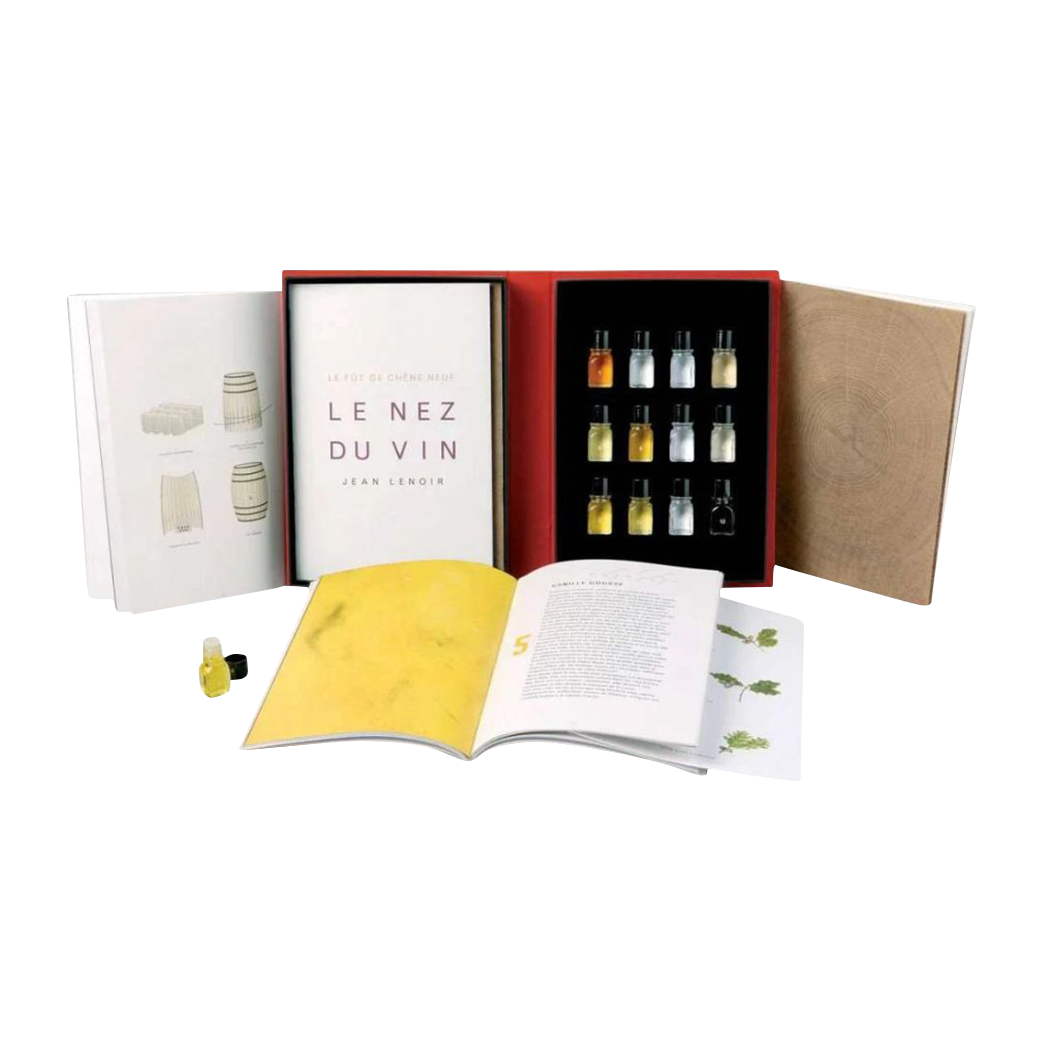
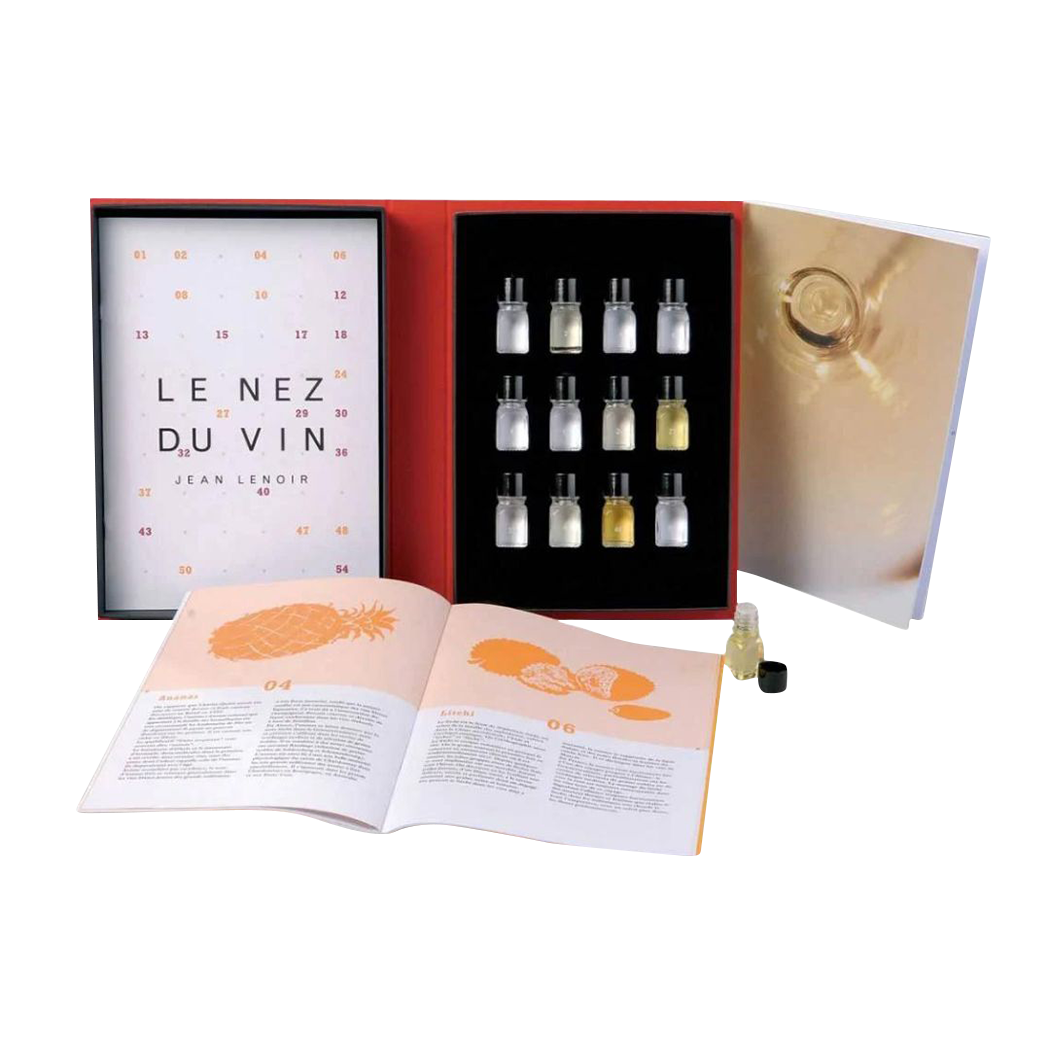
Smell plays a significant role in how you experience a wine. A good wine glass allows aromas to fully develop, especially if you swirl the wine. Your smell can give you a sense of the flavor:
- Fresh, citrusy? Think crisp acidity and minerality.
- Ripe fruit and vanilla? Perhaps a wood-aged wine.
- Smoky and earthy? Probably a slightly riper, more complex wine.
Want to truly get to know wine? Place two glasses side by side and compare them. Try to identify the differences and discover what you like. After all, drinking wine isn't an exact science, but a personal journey of discovery. Check out Bergovino .
Cheers!
This article was written in collaboration with Bergovino.

Share:
A wine fan in Beaujolais: liberté, équalité, gamay
Update 2025: 6x Spanish favorites