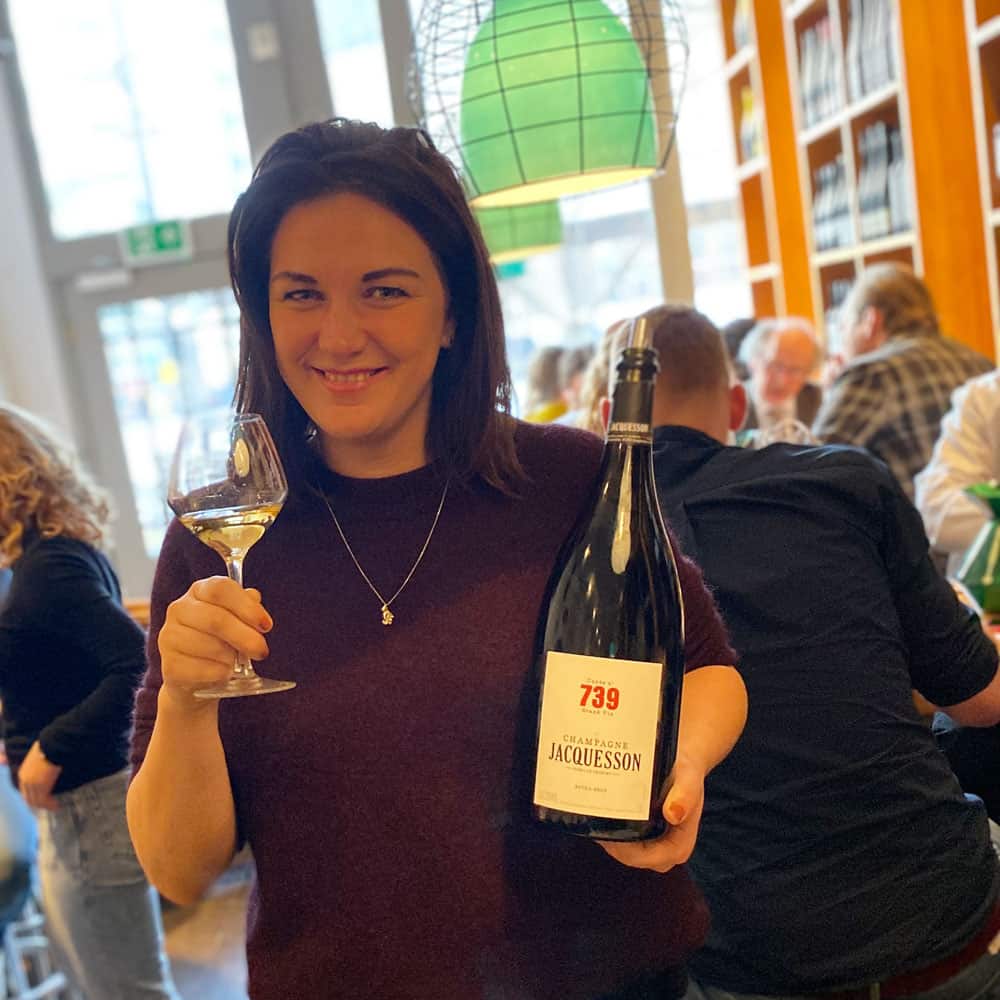
It's 11:00 a.m. and I'm at Wijncafé Lefebvre for a Jacquesson tasting led by importer Roel (owner of Ovino) and Bram (Lefebvre's sommelier). I was already enthusiastic about Jacquesson, but after this tasting, I know for sure: Jacquesson is my favorite!
Since 1798
The Jacquesson Champagne House has existed since 1798 and was founded by Claude and his son Memmie Jacquesson. In 1810, they received a medal from Napoleon for “la beauty et la richesse de ses caves” or for their beautiful and kilometers-long cellars in Châlons-sur-Marne. Later, Memmie's son, Adolphe, came into the picture, in passing invented the muselet. In the cellar, he was assisted by Johann-Josef Krug. Johann-Josef eventually married the sister of Adolphe's wife. After a few years, he left Jacquesson to start his own business: Krug Champagne ( which I tested again earlier this week ). The house is now run by the Chiquet brothers, Jean-Hervé and Laurent.
Bram also wrote an article about the tasting. Read it here >
Own vineyards
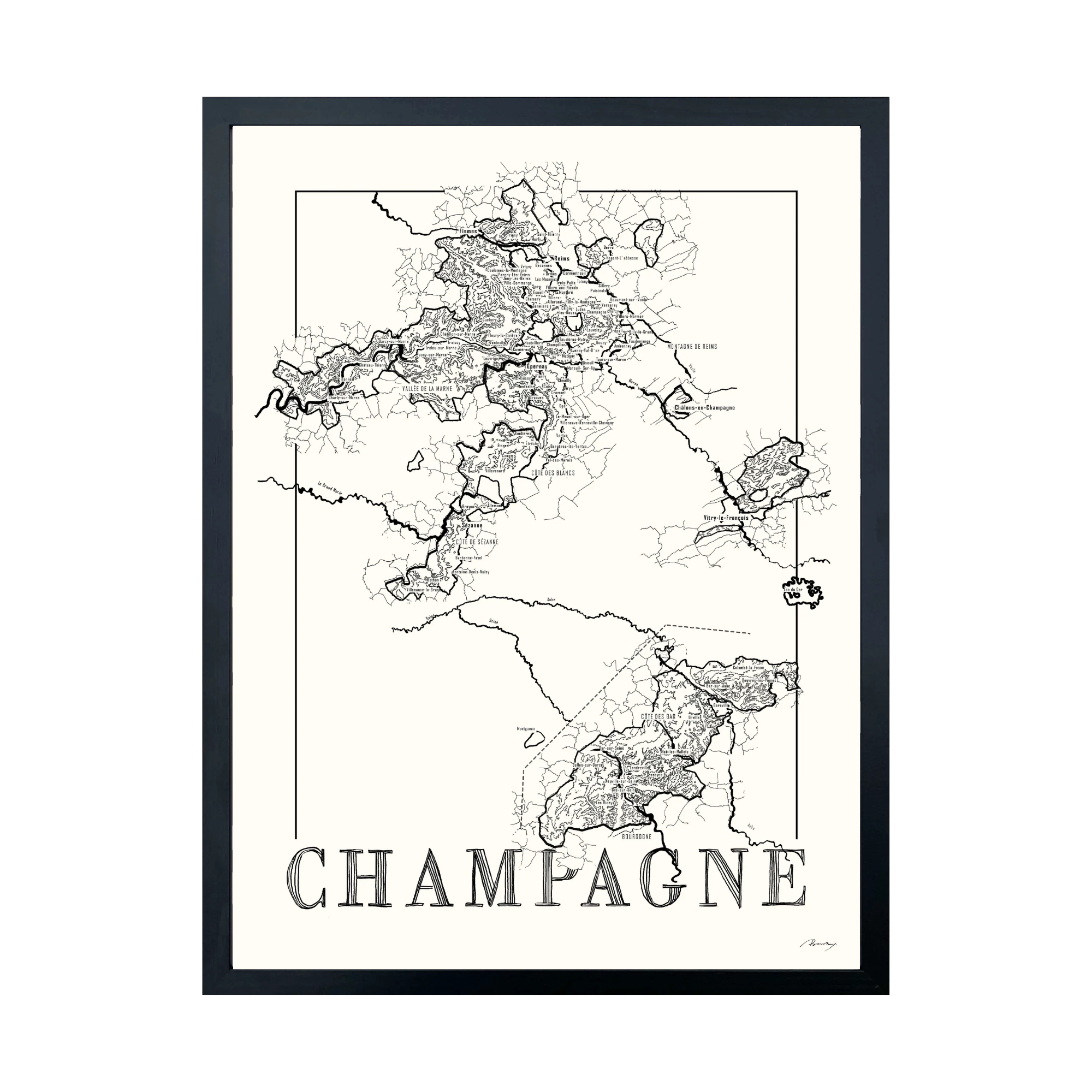
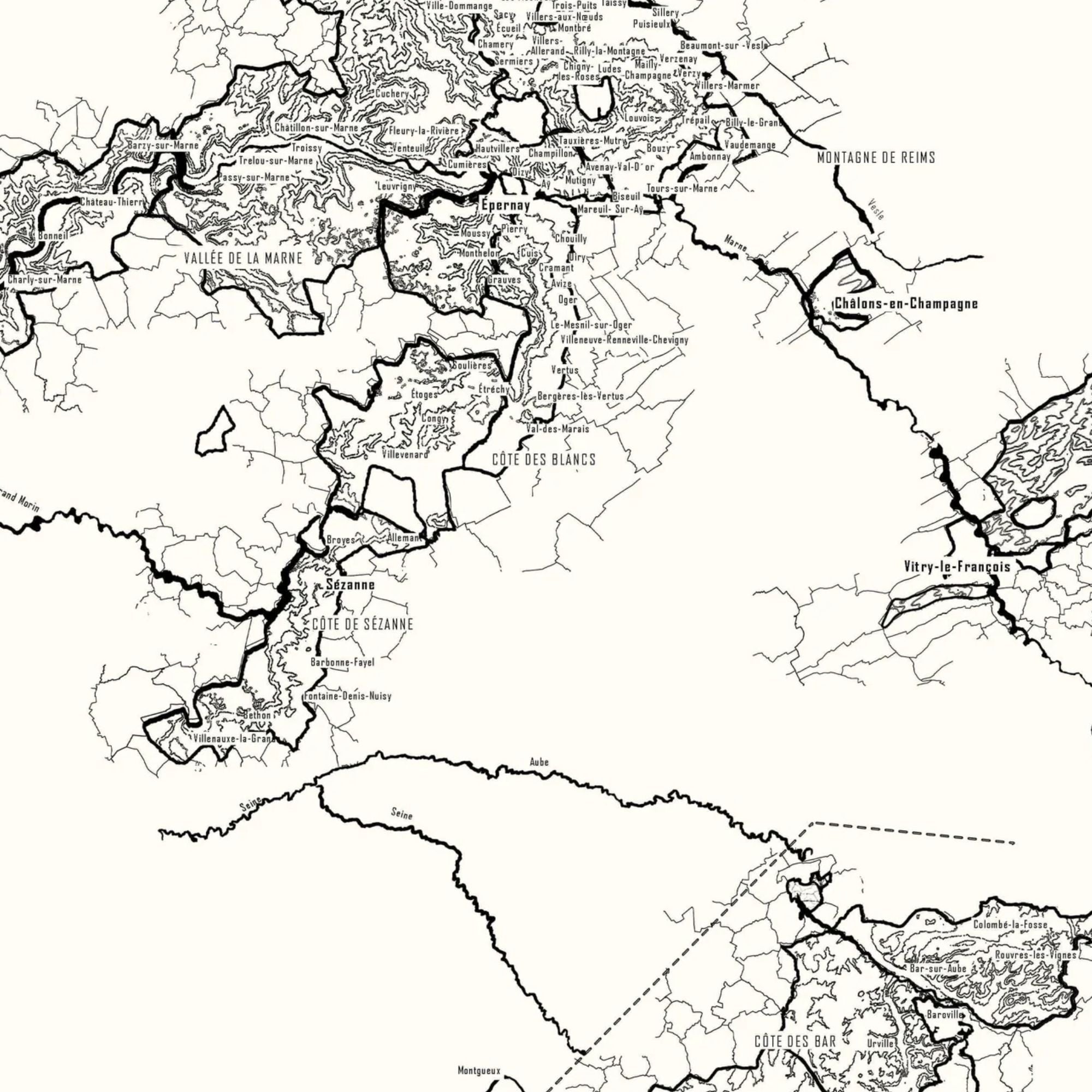
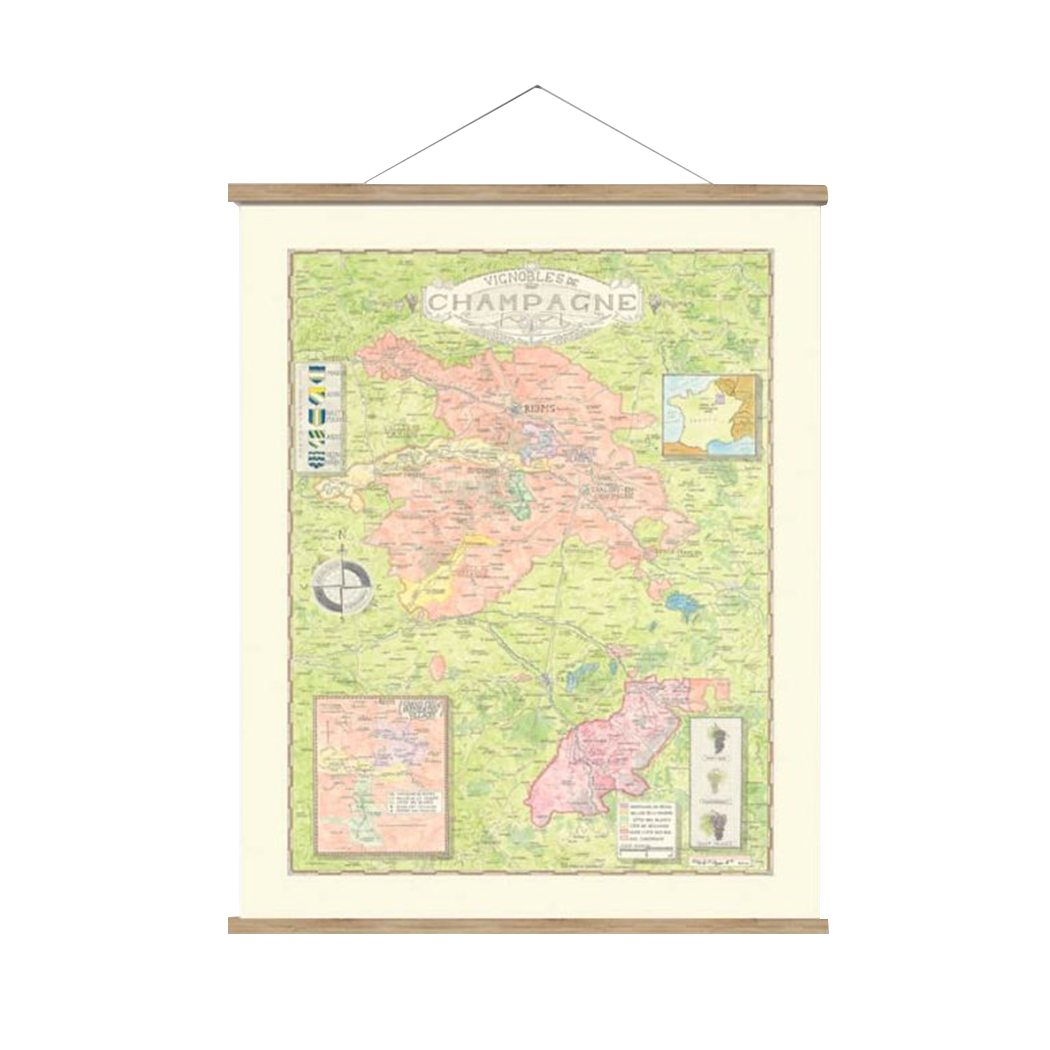
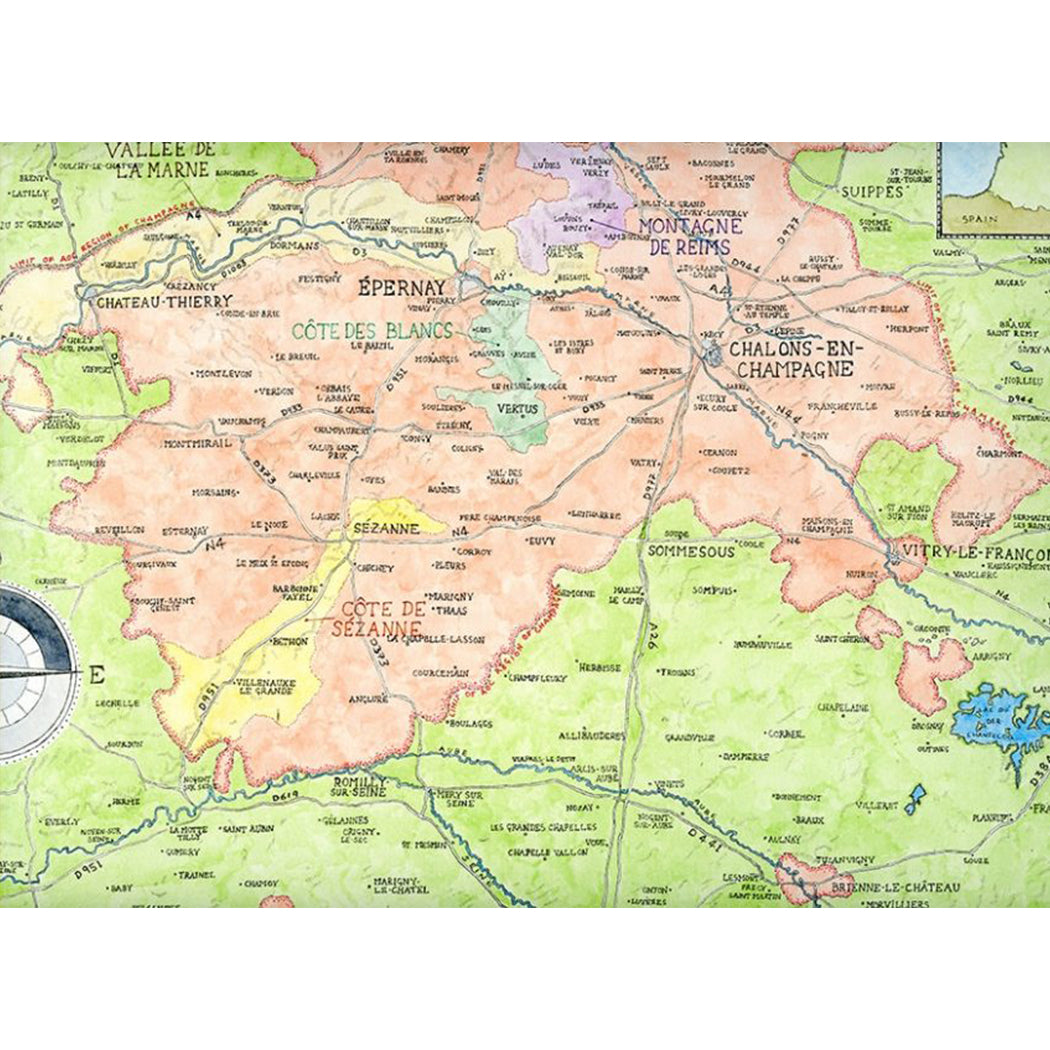
Most of the grapes come from their own vineyards. Jacquesson owns seventeen hectares in the Grande Vallée de la Marne, specifically in Ay, Dizy, and Hautvillers. The vineyards are situated on slopes with a southerly, southwesterly, or easterly exposure. The soil consists of chalk of varying depths. Jacquesson also has two south-facing vineyards with chalk soil in Avize and Oiry in the Côte des Blancs (totaling 11 hectares). Approximately 20% of the grapes are purchased from contracted growers, often located near their own vineyards.
Just to refresh your memory
- Ay – Grand Cru, mainly Pinot Noir
- Dizy – Premier Cru, all grape varieties are found here
- Hautvillers – Premier Cru, all grape varieties are found here
- Avize – Grand Cru, Chardonnay only
- Oiry – Grand Cru, Chardonnay only
"Don't wait for that one special moment. Open that bottle and you'll have a special moment!" - Roel Helming, Ovino
The 700 series
The 700 series, according to its producers, is the opposite of a non-vintage wine, as is customary in Champagne. While that's true, it doesn't exactly make it easy to explain.
They strive to make the best every year, and that's not compatible with homogeneity. The Jacquesson Champagne House doesn't operate like most other Champagne houses. “We are winemakers” they say themselves. "Terroir-driven. Each cuvée is different, because each year is different. We work with what nature gives us." This is at odds with the philosophy of, say, Moet & Chandon, who do everything they can to bring an identical style to the market every year.
At Jacquesson, the base year is central, with a small amount of reserve wine added to enhance the champagne's complexity, not to replicate the style of the previous year. Because it still consists of multiple vintages, they weren't allowed to treat it as a single vintage, and therefore the base year wasn't indicated on the bottle. Therefore, they decided to give the wine the production number the Cuvée had in the cellar book. Cuvée No. 1 was from 1898. A quick calculation showed that in 2000, they were working on Cuvée No. 728, based on the 2000 base year. This marked the beginning of the 700 series. Knowing this, it's easy to backtrack. The 733 comes from the 2005 base year, because 733 minus 728 is 5.
They haven't made regular non-vintage champagne since 2002. They do, however, still produce a number of champagnes from specific vineyards.
Tasting notes
Champagne Jacquesson Cuvée 733
- Based on the 2005 harvest
- Disgorgement in the third quarter of 2009
- Dosage of 2.5 grams
- 52% Chardonnay, 24% Pinot Noir and 24% Pinot Meunier
Orange peel, apricot, apricot turnover, butter, toast, croissant, lively acidity (especially when you consider that the champagne is already 14 years old).
Champagne Jacquesson Cuvée 734
- Based on the 2006 harvest
- Disgorgement in the first quarter of 2011
- Dosage of 3.5 grams
- 54% Chardonnay, 20% Pinot Noir and 26% Pinot Meunier
OMG. Maillard to the max. Brioche with butter. Pan toast. Nuts. Beurre noisette. Many people might find this too much, but I think it's 100% fantastic. I do wonder, though, if you can keep this for much longer.
Champagne Jacquesson Cuvée 734 Dégorgement Tardive
- Same as previous, except:
- Disgorgement in the first quarter of 2011
Much fresher than the previous one, due to later disgorgement. Not perfect. The wine evaporates quickly in the glass. Smells of Camembert. Two bottles were rejected; one was (according to the tasters) beautiful, this one is questionable.
Champagne Jacquesson Cuvée 735
- Based on the 2007 harvest
- Disgorgement in January 2012
- Dosage of 2.5 grams
- 47% Chardonnay, 33% Pinot Noir and 20% Pinot Meunier
Maillard is on, but less so than in 734. Has more freshness, more orange peel notes.
Champagne Jacquesson Cuvée 736
- Based on the 2008 harvest
- Disgorgement in April 2013
- Dosage of 1.5 grams
- 53% Chardonnay, 29% Pinot Noir and 18% Pinot Meunier.
Tighter mouthfeel thanks to the smaller dosage. A very nice glass. You can taste the potential here. We're still early. The champagne isn't ready yet, but this promises so much.
Champagne Jacquesson Cuvée 737
- Based on the 2009 harvest
- Disgorgement in April 2014
- Dosage of 3.5 grams
- 43% Chardonnay, 27% Pinot Noir and 30% Pinot Meunier.
Bram says "burgundy with bubbles." I like it. It's fresh, with subtle notes of butter and brioche, and a touch of lemon zest.
From here, Jacquesson embarks on a new path, including a new label. The song has been given a more prominent place on the label.

Champagne Jacquesson Cuvée 738
- Based on the 2010 harvest
- Disgorgement took place in April 2013
- Dosage of 2.5 grams.
Floral, a hint of yoghurt, salty flavour, orange, lemon, yellow apple and nectarine.
Champagne Jacquesson Cuvée 739
- Based on the 2011 harvest
- Disgorgement in June 2015
- Dosage of 3.5 grams
Oh yes! Brioche and toast from the pan again, but also plenty of freshness (lemon, lime) and a touch of minerality (flint). After ten minutes in the glass, even more toast (including wood) emerges. Patience is a virtue.
Time for another change, because why are the grape varieties and corresponding percentages mentioned? It's about the vineyards, not the grape varieties. Moreover, it changes (significantly) every year. From 740 onwards, grape varieties are no longer mentioned, but vineyards (from which you can partly deduce the grape varieties – see the 'refreshment' section above). Hello, terroir!
Champagne Jacquesson Cuvée 740
- Based on the 2012 harvest
- Disgorgement in December 2016
- Dosage of 1.5 grams
- Ay, Dizy, Hautvillers, Avize and Oiry
The lower dosage is palateable again. Tighter, but very nice. I'm lost again. Yeast, hazelnut, nectarine, butter, pear, a touch of yogurt. Toast (oxidative) becomes more pronounced after a few minutes in the glass. I like it.
Champagne Jacquesson Cuvée 741
- Based on the 2013 harvest
- Disgorgement in May 2018
- Dosage of 2.5 grams
- Ay, Dizy, Hautvillers, Avize and Oiry
Floral, youthful, and the oxidative element comes to the fore. I even vaguely think of sherry. Hazelnuts and such. Perhaps it's because this is the tenth glass we're tasting, and I'm both mentally and physically unable to spit anything out. So, I first tasted this champagne last year and was quite impressed even then. After today, I know it'll be even more impressive if you wait a few years, but you don't always have that. Yolo.
Champagne Jacquesson Cuvée 742
- Based on the 2014 harvest
- Disgorgement in December 2018
- Dosage of 1.5 grams
- Ay, Dizy, Hautvillers, Avize and Oiry
Same as the previous one. Be patient, and you'll be rewarded to the fullest. For €49.95, you're really stealing from your own wallet if you leave this on the shelf.
That was a lovely ending to an epic week, which began with natural wine and ended with twelve glasses of Champagne. What a blessing! What I love about Jacquesson is that they take a different path than most winemakers. In that respect, it fits the start of the week. Natural winemakers also deviate from the mainstream. Jacquesson certainly does that too. Even better is that they're not afraid to adjust their course or change their plan. A natural winemaker could learn a thing or two from that 😉
Oh, and can I just briefly mention Moet & Chandon? They produce 30 million bottles annually, Jacquesson 200,000, depending on the year. Just keep in mind that you pay roughly the same for a bottle.
Thanks Roel van Ovino and Bram van Wine café Lefebvre for this epic tasting!
Share:
The first time Prowein
Inside the Chateau d'Angludet