It's 7:30 PM on a Tuesday evening, and I walk into Wijnhandel Peeters. I'm here for the first lesson of my new wine course: WSET Advanced Level 3. Perhaps not entirely by the book: first get your SDEN-3 certificate and then move on to WSET-3.
What exactly is it?
They might not differ much in terms of level; that's more a matter of approach. After the first lesson, I already noticed that things are different at WSET. While SDEN-3 was more about reciting facts, WSET is more hands-on. "What if your client is a big fan of Sancerre, but is looking for something similar from the New World?" With such a question, that factual knowledge is certainly useful, but you need to be able to formulate it. Combining both programs, and therefore both approaches, seems like a good choice.
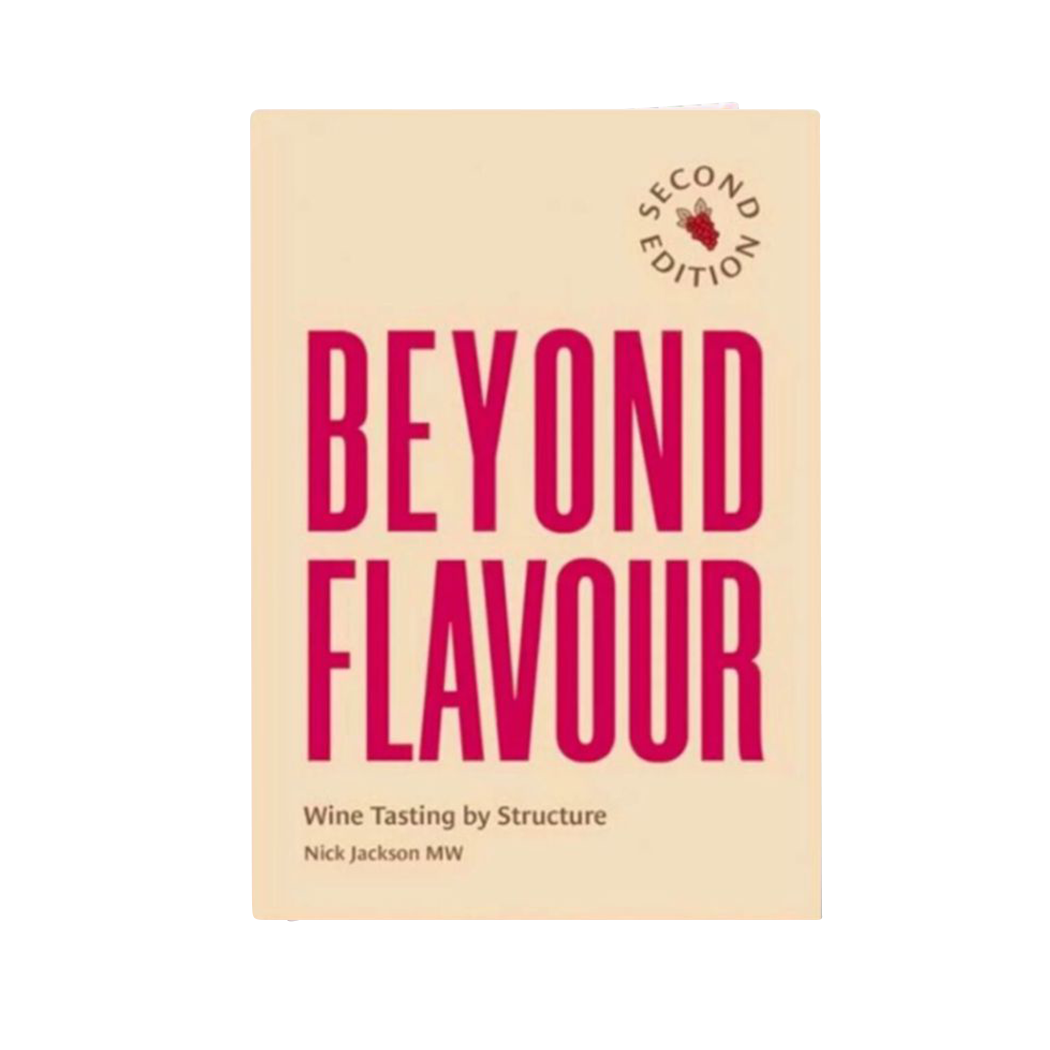
The textbook's foreword is written by wine guru Jancis Robinson – so that's promising. With Advanced Level 3 under your belt, you can progress to the Diploma Course, which takes one year. If you truly want to become a certified wine expert, you can continue with the Master of Wine.
Not to be confused with Master Sommelier from the documentary SOMM – you get that from another institute and it naturally focuses more on the sommelier profession and everything what that entails.
More information about the differences between SDEN and WSET can be found here here .
Systematic testing
Another reason I wanted to attend WSET is because of the tasting method. They use the "systematic approach to tasting wine" (abbreviated to SAT). This is another reference to the documentary SOMM, where they taste the wines and quickly list their characteristics.
A little more guidance and a systematic approach is ideal for me. Although the first lesson went quite well, I still find (blind) wine tasting incredibly difficult.
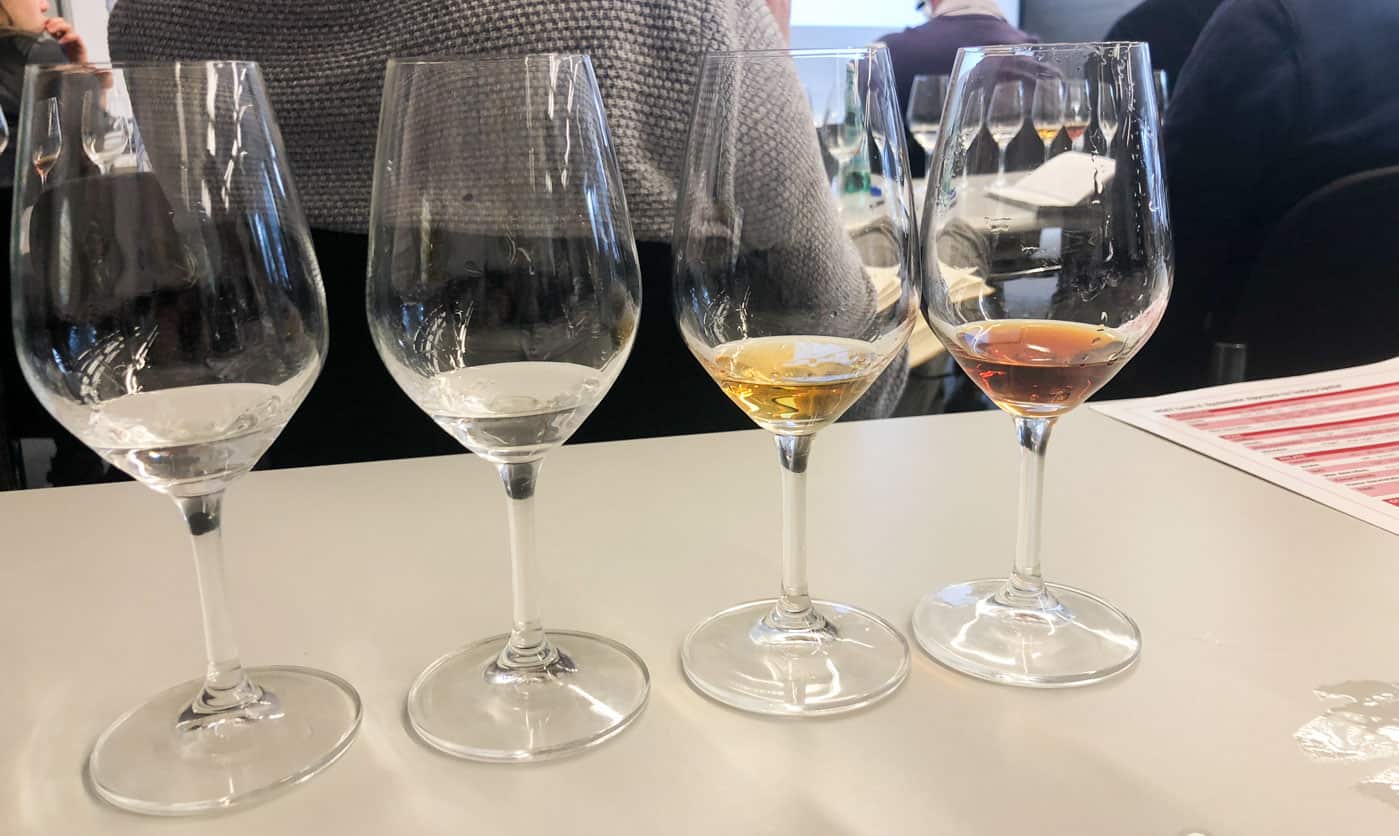
During the first lesson, we tasted several wines. The first one served, blind, by the way, is a light white wine. Here we go…
APPEARANCE
Clear, pale, green
NOSE:
Clean , medium, youthful
Yeast (yeast), a little bit citrus-y
PALATE:
Dry, medium+ acidity, low tannin, medium alcohol, light body, medium flavor intensity.
A bit of citrus, creamy texture with a medium finish
CONCLUSIONS:
The fruit aromas don't really jump out of your glass, so we're probably dealing with a Neutral grape variety . The aromas present can be classified as citrus. There is some acidity, which we rate as medium+, which indicates a cool climate . The wine has a slightly creamy structure and smells most strongly of yeast. The first indicates the malolactic fermentation and the second can be a consequence of ' sur lie' . We don't taste any tertiary aromas, so the wine has no wood aging had. That must be a… Chablis!
Wow. This tasting method was a real eye-opener for me. But it also made me a little stressed. I really need to taste more! Distinguishing between flavors is truly difficult. That means not chugging down a bottle of wine on Wednesday, but opening three bottles and reciting the differences. From now on, I have to force myself to taste every wine this way.
As I type this, I'm on the train to a housewarming party, where I'll undoubtedly be drinking wine. Hmm... I wonder if I'll grab my SAT card for that...
Share:
The forgotten grapes of Champagne
2016: a year without FOMO