If you thought suspenders had disappeared from the streets, you're sorely mistaken. They're making a comeback at the Union des Grands Crus de Bordeaux. Is this the new turtleneck, or does it perhaps have something to do with Bordeaux? I don't have long to think about it, because the first stop is already in sight: Pomerol. Let's go tasting!
The 2016 edition is ready for us at the Beurs van Berlage.
A little about Bordeaux
I could go on and on about Bordeaux and all the chateaux, but I have no idea. What I can tell you is that this is my third time here. The first time I was Overwhelmed . A bit of a struggle here and there, as the 2014 vintage was a bit rough.
I didn't really care. I tasted Smith Haut Lafitte, La Conseillante, Giscours, and Le Bon Pasteur in one day. That was already a treat, but it can be better, as I discovered last year – the 2015 vintage. The fruit took center stage, and the tannins and acidity played nice supporting roles. As it should be. In my notes I come across plusses and 'OMGs' for: the white ones from Chantegrive, Pape-Clément and SHL.
Regarding reds, I remember being delighted by Poujeaux (Moulis), Giscours (Margaux), and Clos Fourtet (Saint-Émilion). At Wijnhandel Peeters, I tasted the wines of the Sichel family and was also very impressed with Château d'Angludet (along with Palmer, (obviously ). Then I tasted the 2014 and 2015 side by side.
2016, yes!
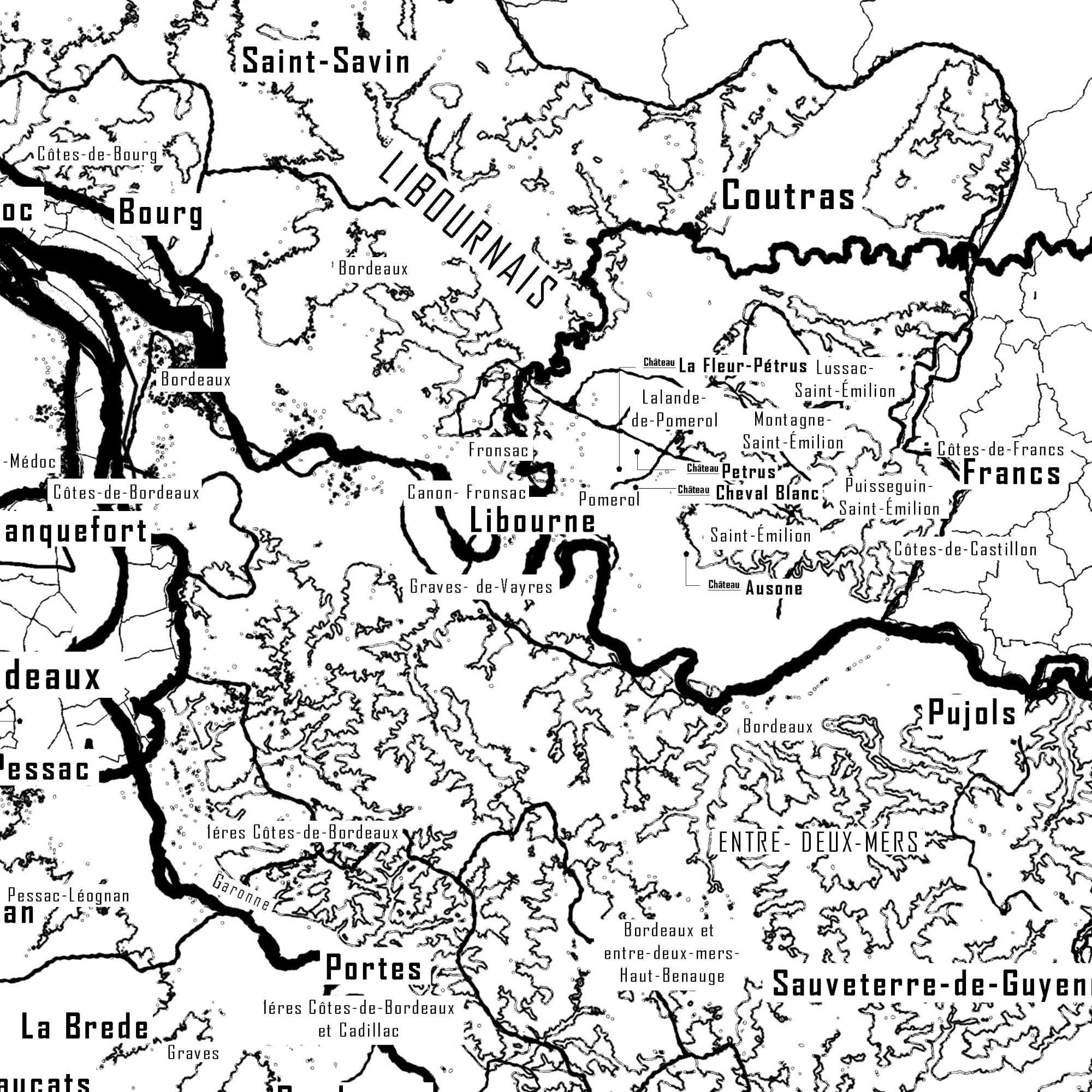
Now it's time for 2016. We'll start with the Right Bank, and I have to say I liked Saint-Émilion just a bit more than Pomerol. A bit fuller with abundant, but very ripe, tannins. I think that's the theme of the day: abundant tannins, but soft and ripe. From Saint-Émilion, Château Pavie Macquin stands out for me.
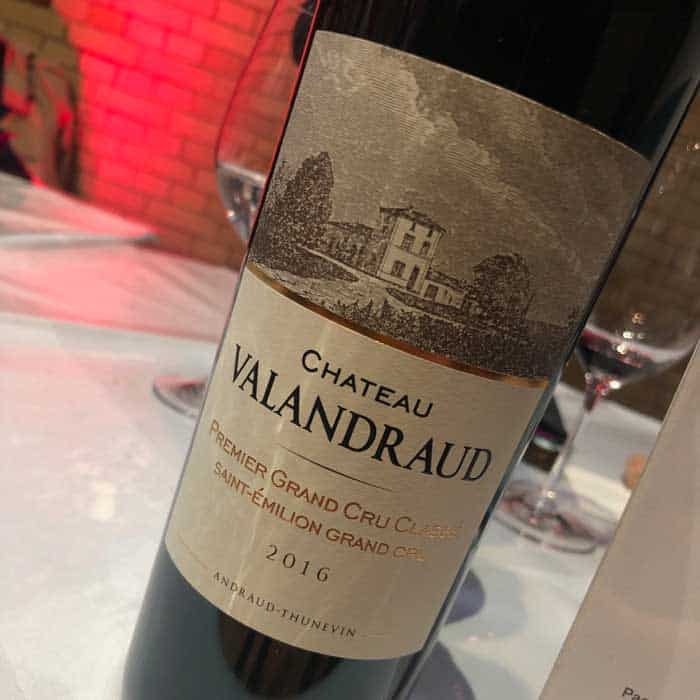
This is where I first heard the story about the garage wines of the Right Bank, of which Château Valandraud was the first. A wonderful story. Making a wine like Le Pin and Fleur de Gay, that was Jean-Luc Thunevin's dream . He simply didn't have the same financial resources as his neighbors. And no equipment either. But he did have a plot of Merlot and a strong desire to make a fine wine. So, it was hands-on. Destemming was done by hand, as was the cap immersion during fermentation. The money he had went towards (new) oak barrels. Their first vintage, 1991, amounted to no more than 100 cases. Such a small production run is, of course, part of the charm of a garage wine, but in this case, the spring frost also played a part. They had more luck in that regard in 1992 with a production run of 375 cases.

The wines received increasing attention from major wine writers such as Bettane and Parker, culminating in 95 Parker points in 1995. Robert Parker called Thunevin the bad boy from Bordeaux. Some websites claim that Valandraud scored higher than Petrus in that year, but I have not found any hard evidence for this (so if anyone knows, please respond!).
That Jean-Luc doesn't mind a few extra lines, he also has two hectares of vineyard covered with plastic to prevent rain damage. HAHAHAHA. The INAO (the appellation committee) put a stop to that. They didn't think it was okay. Thunevin was allowed to do this. do not sell as AOC Saint-Émilion. Château de Valandraud was thus downgraded to a Vin de France (where he was also no longer allowed to use "Chateau de Valandraud"). What did he do? He changed the label to L'interdit de V……..d. Isn't that wonderful?
He now makes about fifteen different wines, including the Bad Boy referring to the nickname he was given by Robert Parker.
Médoc
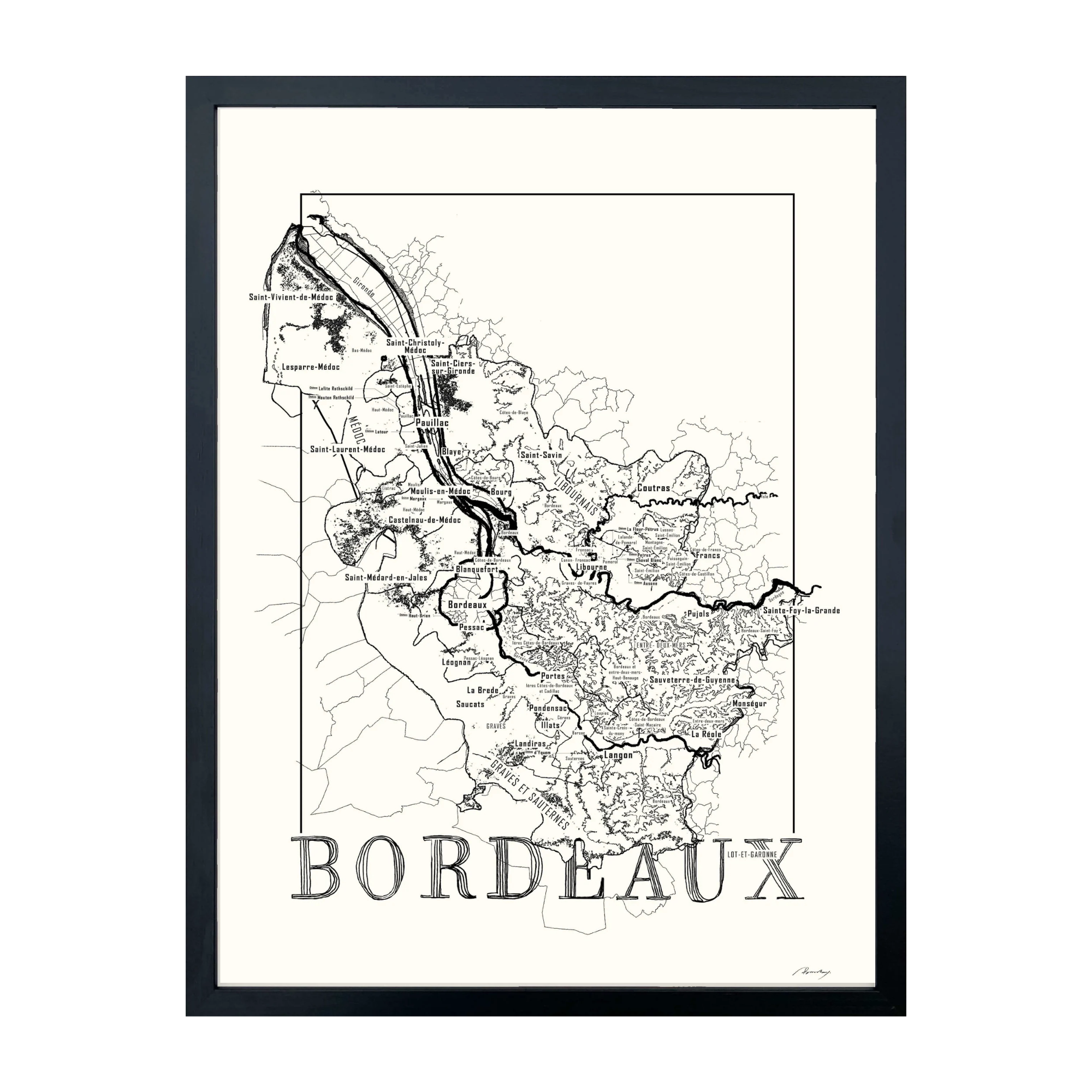
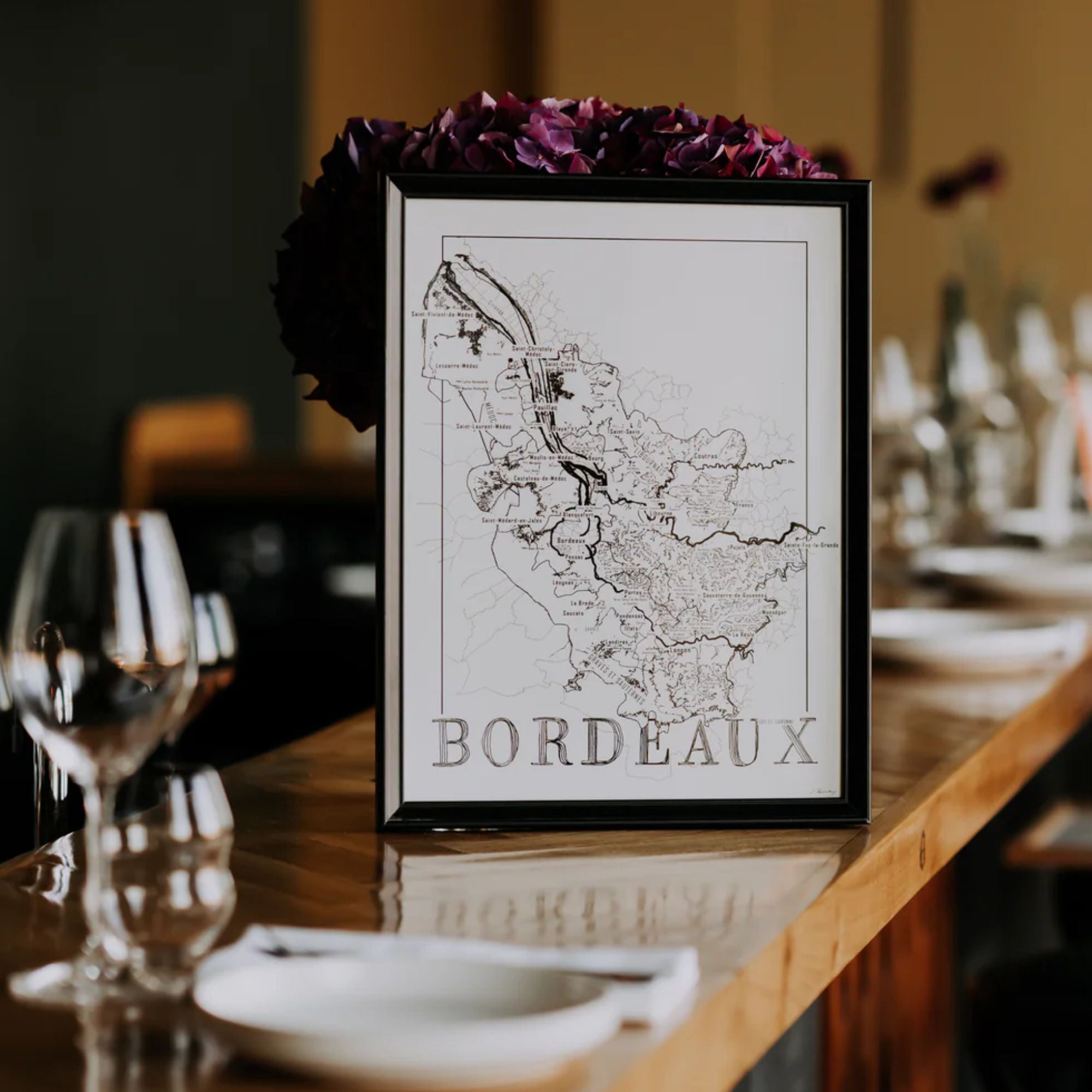
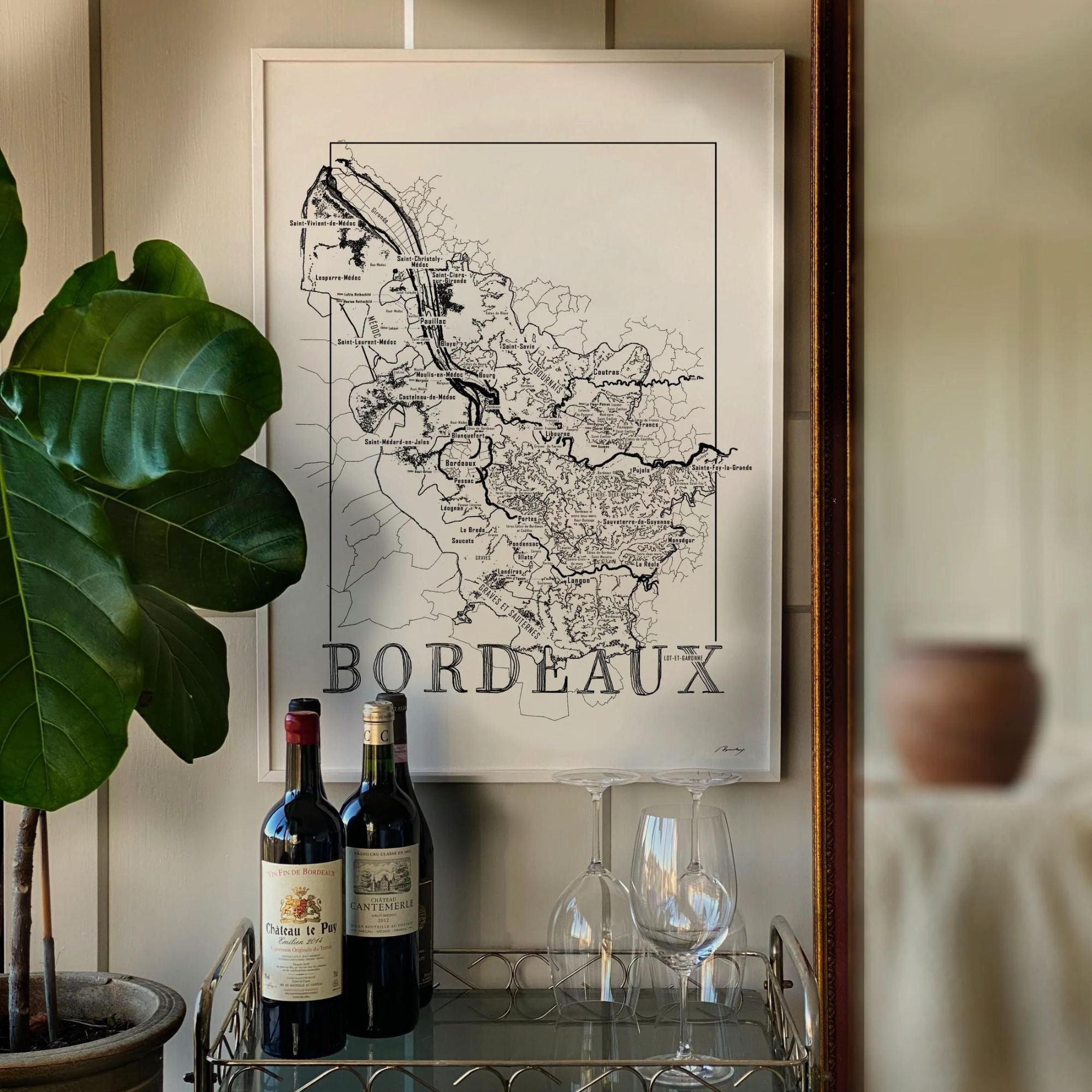
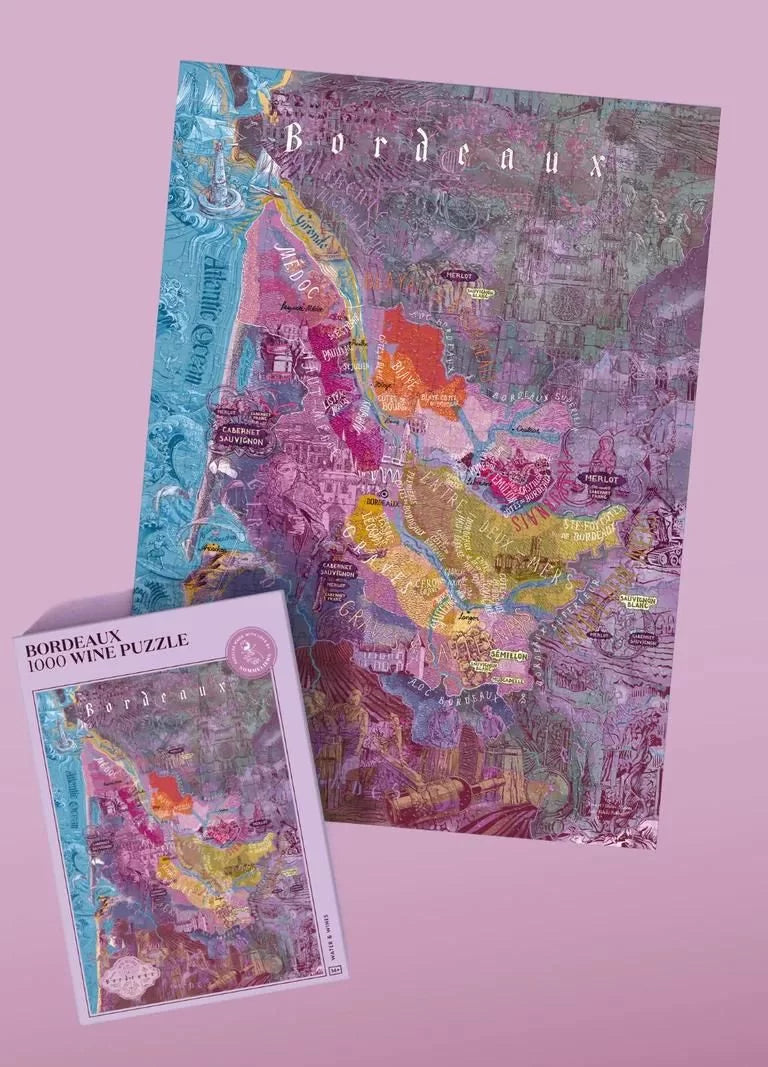
After Saint-Émilion, we dive into the Médoc. Of all the communes, Pauillac has the most tannins. In that respect, Château Giscours (Margaux) also competed well. Château du Tetre was softer. It's wonderful to see how important soil is in Bordeaux. In a warm year, it's the clay-clay vineyards that thrive. Clay retains moisture and therefore stays cooler. In a cool and/or wet year, you crave gravelly soils because they're well-drained and retain heat. We also stop at Pessac-Léognan. For the second year in a row, I'm falling in love with Pape-Clement (white last year, red this year) and SHL (both). I could also spend hours smelling a glass of Château de Chantegrive blanc. White Bordeaux deserves more attention, you know.
Union des Grands Crus de Bordeaux
It's always a treat, the Union des Grands Crus de Bordeaux, where I'm amazed every year. Both by the wine and the crowd. Everyone comes here, from novice sommeliers to veterans (no offense). What do they think of Bordeaux? What's their first or fondest memory of Bordeaux? Maybe I should find out next year. I'm incredibly curious to hear their wine stories. With or without braces.

Share:
11 handy tips for wine and food pairings
Wine FAQ: What is malolactic transformation?