
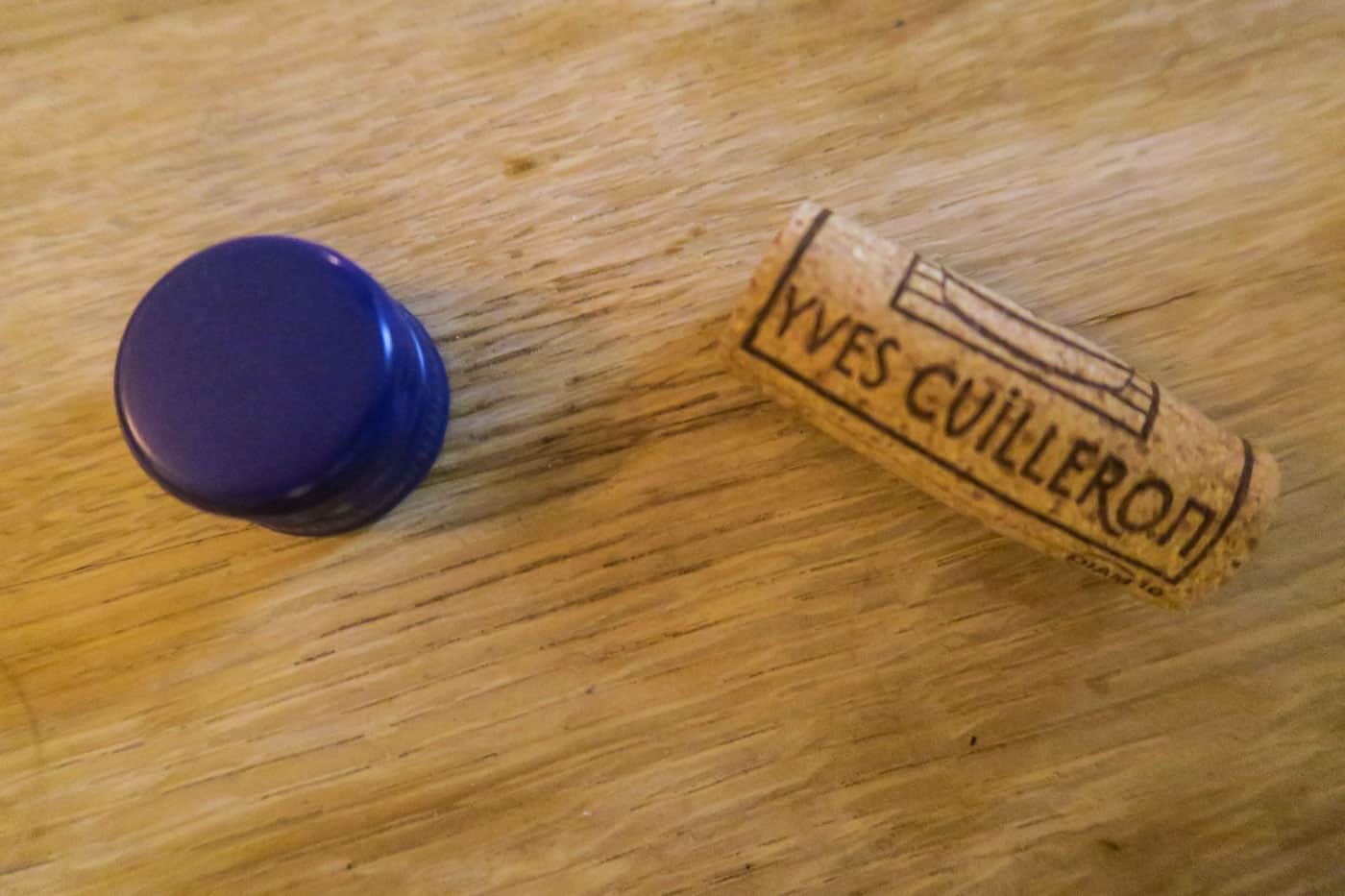
The #winequestionnaire section answers your burning wine questions. Have a question? Let me know via email or Instagram. This time it's about cork or screw cap: which is better?
Cork or screw cap? It's a question that's been circulating in the wine world and beyond. Whether I'm teaching a wine course or opening a wine magazine, the question of whether a cork is better than a screw cap remains a hot topic.
Young wine that you want to drink now
If the answer Yes It really doesn't matter one bit whether the wine has a cork or a screw cap. In fact, a screw cap is probably better, because it allows very little oxygen. This ensures that the wine retains its fresh, fruity character and therefore makes screw caps a favorite among aromatic wines such as sauvignon blanc and riesling.
In addition, the risk of cork taint is significantly reduced. No, it's not entirely risk-free, because cork is infected with the TCA bacteria. This bacteria thrives in cork, but also in other wood. So, if there's a TCA-contaminated barrel in your wine cellar, you're in trouble, even with a screw cap.
A wine you want to keep
For wines meant for aging, it's a different story. The beauty of cork is that it allows a little oxygen to enter, allowing the wine to slowly age in the bottle. This allows tertiary aromas to develop, which a wine with a screw cap can't match. Wines stored under a screw cap are often fresher and have more primary fruit than a wine stored under a cork. Which one you prefer, of course, is a personal preference.
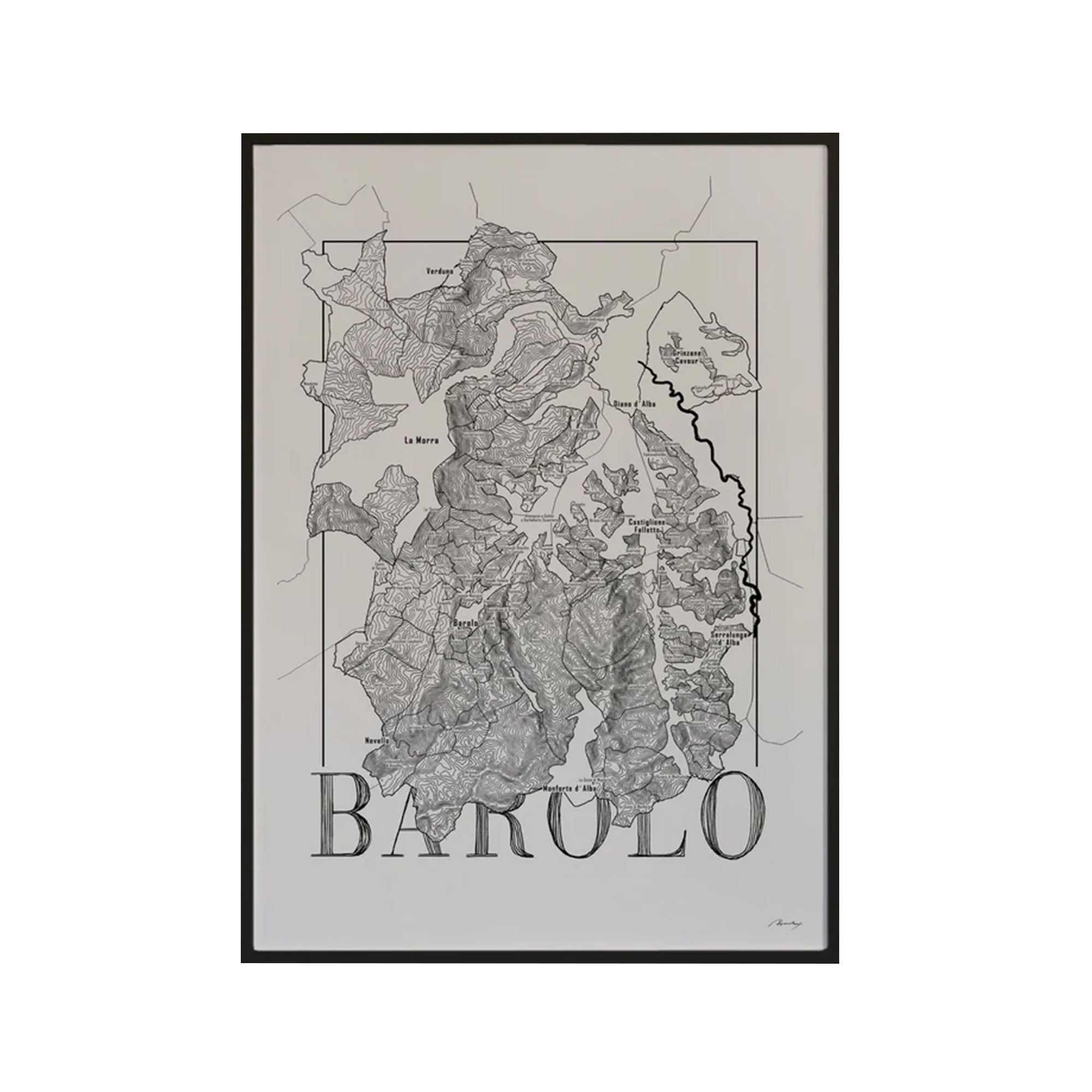
A robust red wine needs just that little bit of oxygen to break free, soften the tannins, and mature. A Barolo or Bordeaux, for example, improves with age (read: longer than 10 years). Extensive research is being conducted on the differences in taste. Cork usually emerges as the winner after, say, ten or twenty years of bottle aging.
- The Wine Anorak – Comparing the same wine sealed with cork and screwcap
- Jancis Robinson – Aren't screwcaps mahvellous…?
The question is whether a Riesling, for example, needs that too? In Australia, they don't think so. Screw caps are also becoming increasingly common in Austria. Not surprising, because the color, fresh, and aromatic fruit are actually better preserved under a screw cap.
Sealing a bottle under a screw cap removes the variability and taints associated with cork. A screw cap also ensures that the wine in the bottle will age under the best possible conditions. The perfect seal of the screw cap ensures that no air or oxygen can enter the bottle. In these reductive conditions the wine undergoes “pure bottle aging” where the fresh citrus flavors remain, and are overlaid with flavors of toast, lemon grass and eventually some honey and possibly marmalade.
Since there is no oxygen getting in to the bottle, there is no oxidizing or “drying out” of the wine. This means that the color, while it will deepen into the gold spectrum, retains its freshness and green hues. The flavors and palate do not “dry out”, but stay fresh with any sweet fruit characters that were initially in the wine remaining. A hint of toast overlies the still intense lime and citrus fruit. Citrus dominant, lime juice and marmalade finishing with a crushed stone minerality. The wine is only just showing the first signs of bottle age after 5 years, indicating that there is still a long future in front of it.
Pewsey Vale Vineyards (Australia)
The world of bottle stoppers is constantly evolving. Work is underway to develop screw caps that allow more oxygen to circulate. And Portuguese cork producers are also working tirelessly to develop TCA-free corks (better late than never).
The popping sound
Well, the popping sound. Only the magic cork can do that. But hey, give it a few years and we'll go wild for opening a screw cap. Right?
Like what you read?
Then follow me on Instagram or Facebook and stay up-to-date on my adventures and new articles. Le Club des Vins sends out a monthly newsletter called "Wine Fun in Your Inbox." Want to join ?

Share:
What I Didn't Know About Sherry (Part 2)
A Wine Fan in London: Noble Rot, Nopi & BobBobRichard