For years, I've dreamed of seeing the Andes with my own eyes. That dramatic mountain range that separates Argentina and Chile seems spectacular. This year, that dream seems to be coming true, because I'm going on a trip with Bottlez.
And good news for you: there are still a few spots available .
In this blog I will tell you more about Chile and the journey I am going to make.
Long and narrow
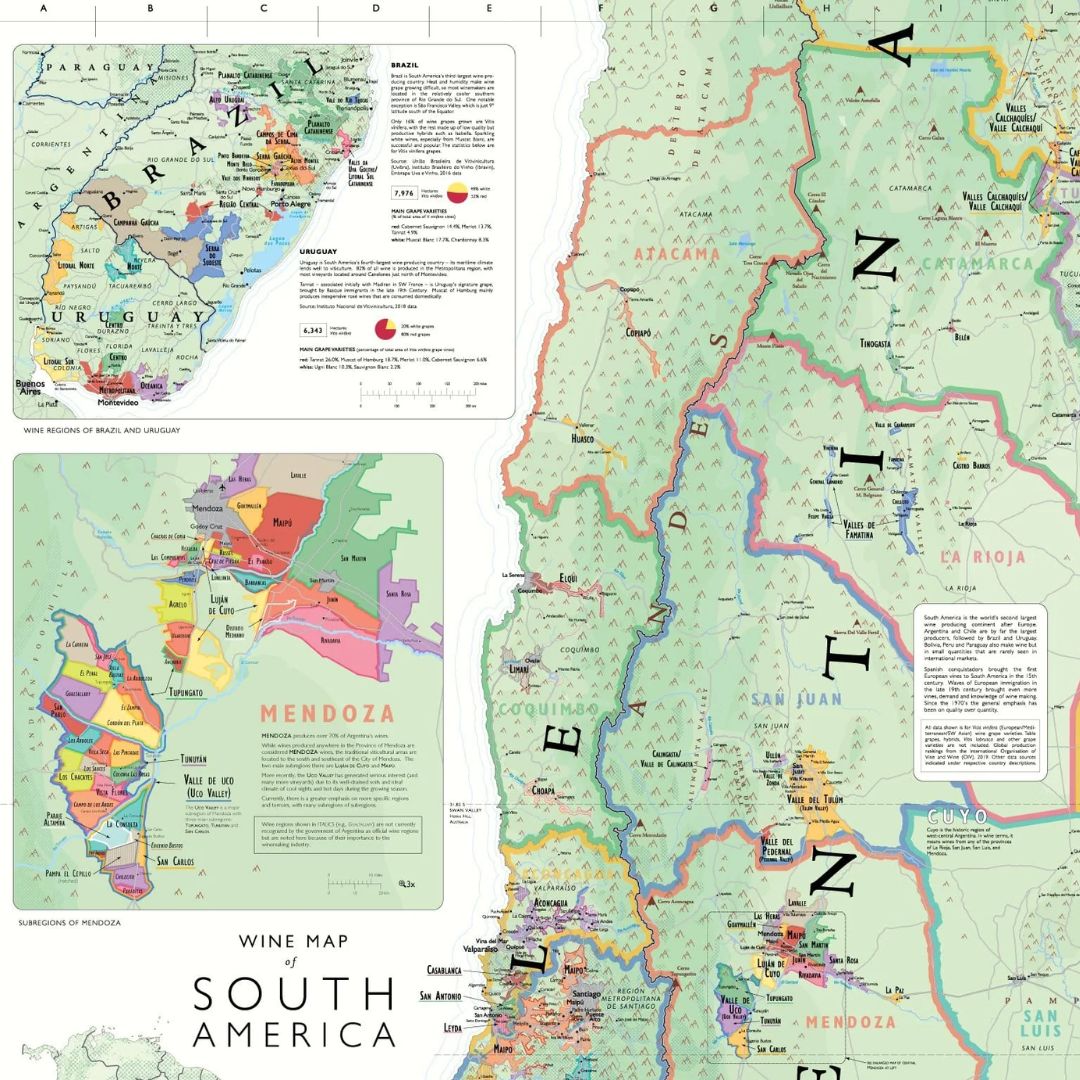
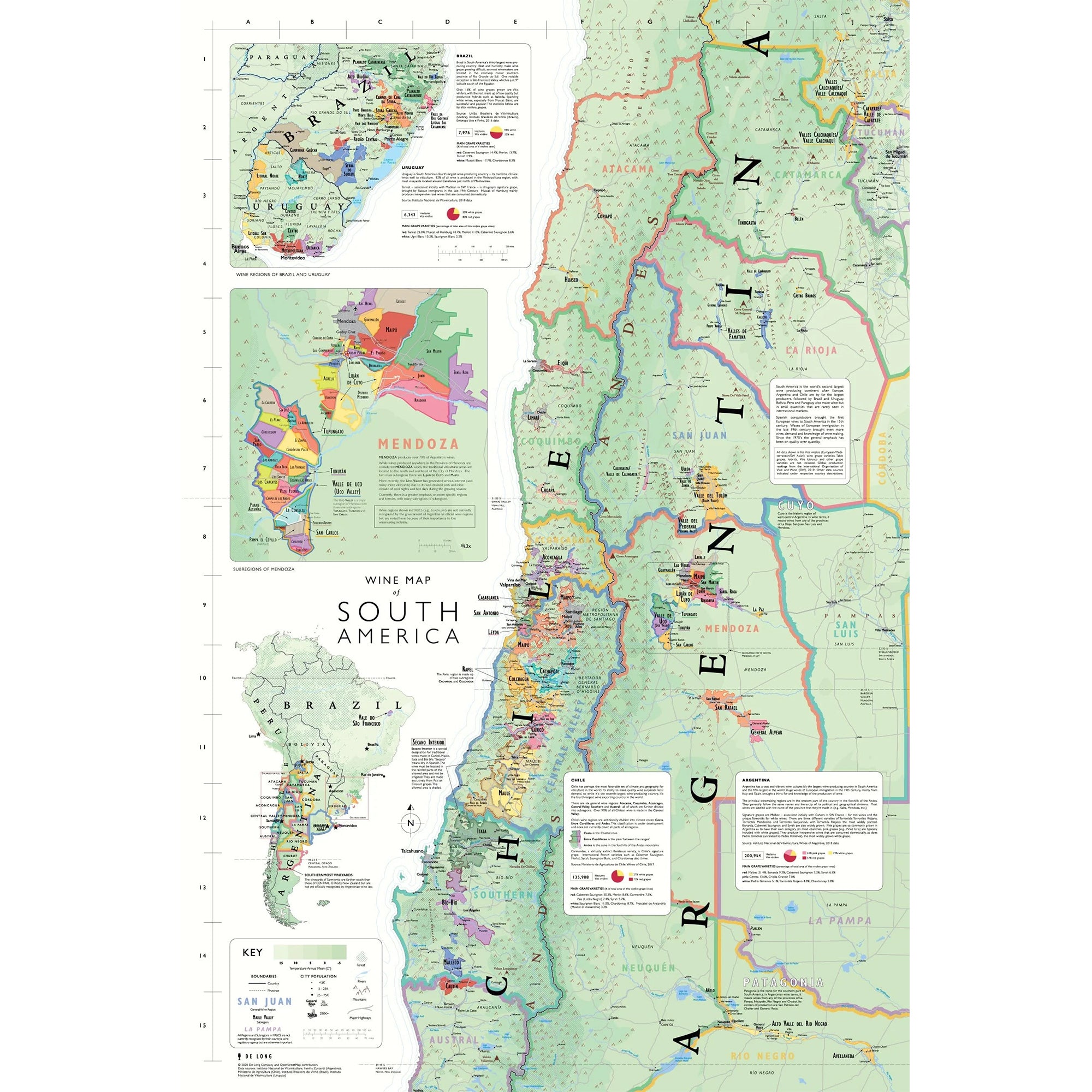
When you think of Chile, the first thing that comes to mind is its long, narrow shape. The country is over 4,000 kilometers long and, in some places, less than 90 kilometers wide. Stretching from 17° to 56° south latitude, it stretches from the driest desert on earth to the glaciers of Cape Horn. This extreme geography creates an enormous diversity of climates, landscapes, and terroirs.
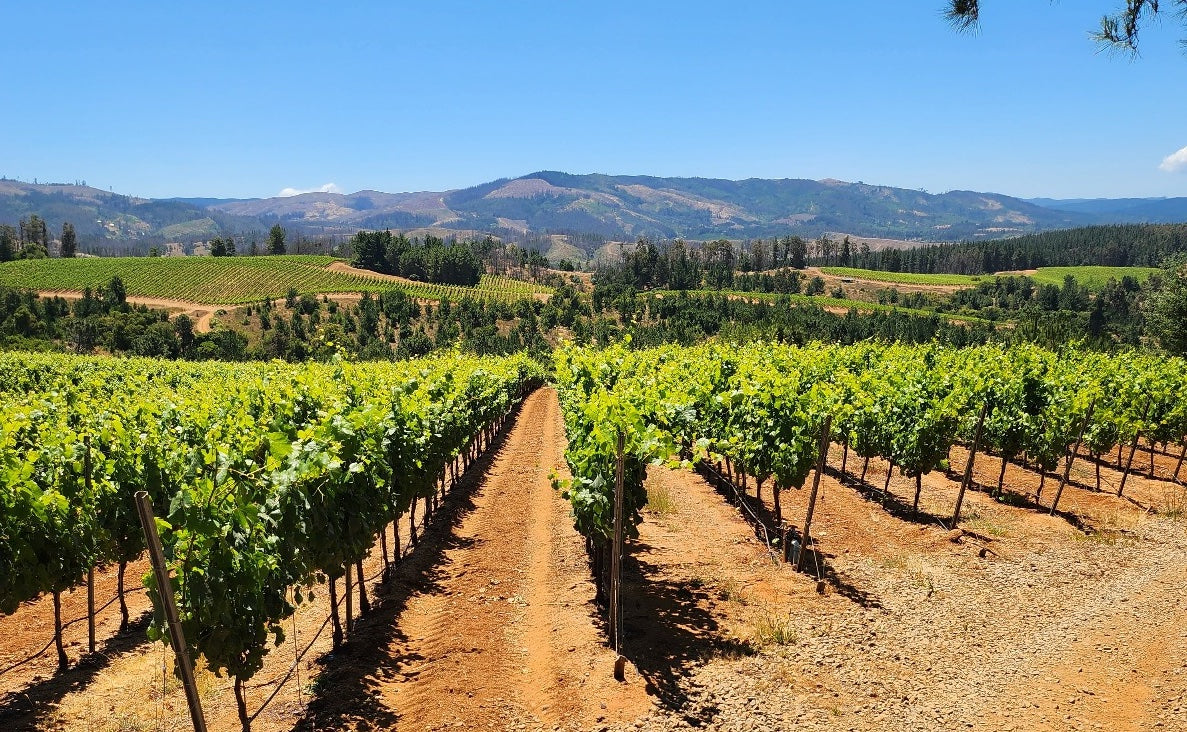
And that gives us pictures like this... Isn't it beautiful?

In Tim Atkin's latest MW report (always recommended, those reports), I read that it takes 42 hours to travel from Iquique—the northernmost vineyard—to Chile Chico in the far south. For comparison, we cross our entire country in about 4 hours, from Delfzijl to Vlissingen.
With over 129,000 hectares of vineyards and a production of 11 million hectoliters in 2023, Chile ranks fifth globally and is the largest wine producer in the Southern Hemisphere (source: OIV). Unlike neighboring Argentina, Chileans themselves are not big wine drinkers, and a whopping 74% of production is exported.
Terroir is that a party?
A large portion of these exports consists of accessible wines: Cabernet Sauvignon, Merlot, and Sauvignon Blanc—wines you often find in supermarkets for less than ten euros. Until the 1990s, wine was primarily produced in the Central Valley, where grape-growing conditions are perfect: fertile soil, abundant water, and warm temperatures. The wines are fine, but not truly exciting.
Fortunately, there's another side to Chile. Over the past fifteen years, a quiet revolution has been underway. From volume to origin, from technique to terroir. Winemakers are increasingly focusing on terroir: specific soils, microclimates, and old vineyards. And that's exactly what we'll see on this wine tour (and what I'm so curious about).
Felipe de Solminihac of Aquitania was one of the first to venture south, to the volcanic soils of Malleco, 650 kilometers south of Santiago. In 1993, everyone thought he was crazy. Now it's the most normal thing in the world. Fantastic.
Guess what: we're having lunch with Felipe and Eduardo Solminihac, the winemakers of Aquitania. To get you in the mood, here's a video with the guys and Samantha Barnes MW about Malleco.
Speaking of pioneers: María Luz Marín of Casa Marín was Chile's first female winemaker, with one mission: making terroir wines. And she did it in a place no one else dared. Lo Abarca is a stone's throw from the ocean, in the cool San Antonio. Her vineyards are just 2 miles from the sea, and for a long time, it was the closest winery to the coast in the country.
That record has now been broken. Montes has planted vines just 15 meters from the Pacific Ocean, in Añihue, part of the Chiloé Archipelago. Albariño, Chardonnay, Gewürztraminer, Pinot Gris, Pinot Noir, and Riesling now grow there. Bizarre and fascinating at the same time.
And yes: we'll be visiting both wineries (or should I say, icons) during the wine tour. One of the organizers of the tour is Jamie Verbraak, a Dutch woman and daughter-in-law of María Luz Marín. That's what makes this trip so fantastic. It gives us inside information and great connections with other winemakers.

Are you coming to Chile too?
This was a little preview of the wine tour to Chile. The program is truly well-designed: we'll be visiting the crème de la crème of the Chilean wine world. And believe me, when it comes to wine tours, I'm a critical thinker. Simply because I often think: I can organize this better myself. But this time, I didn't hesitate for a moment: I'm on board!
More information about this trip can be found on the website of Bottlez . You can also request information there. Have any questions? Feel free to send me a message using the chat button in the bottom right corner.
This blog post was written in collaboration. The trip was designed and led by Nanette Drost of Bottlez, a wine shop and wine bar in Venray, and Jamie Verbraak, a WSET instructor working at Viña Casa Marín in Chile.
Share:
A wine fan in The Hague
Second place at the 2025 Dutch Blind Tasting Championships