
You might not have heard of Bolgheri before. Perhaps that's understandable, as you have to know the greats before you can truly appreciate this Super Tuscan. It belongs in the same league as Barolo, Burgundy, and Bordeaux (hey, could it have something to do with that B?). Yet, it took me a while to discover it.
When the penny dropped, I knew one thing for sure: I have to go here! So I concluded my mini-road trip to Tuscany with a visit to Tenuta dell' Ornellaia and a lunch in Bolgheri.
#goals #winning #magikterug
A piece of Bordeaux in Italy
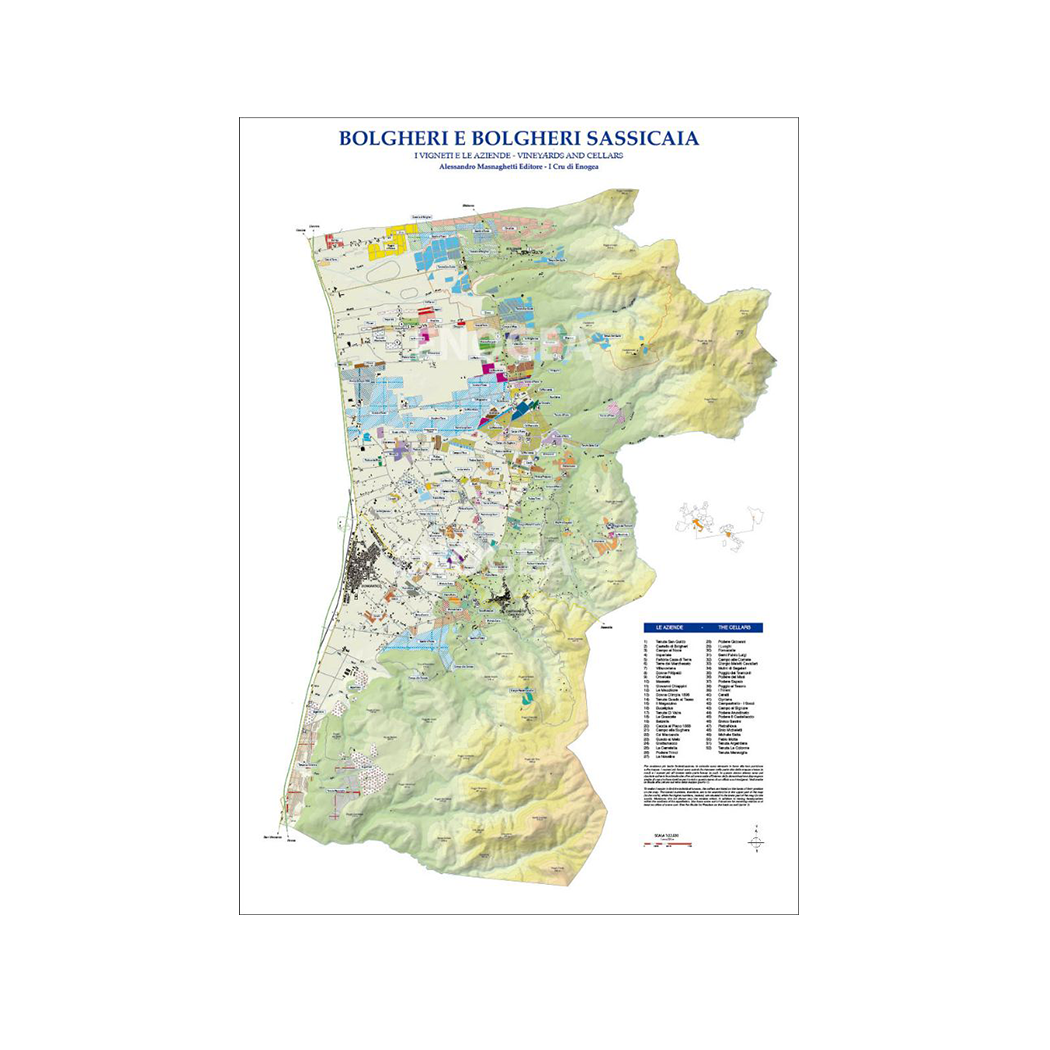
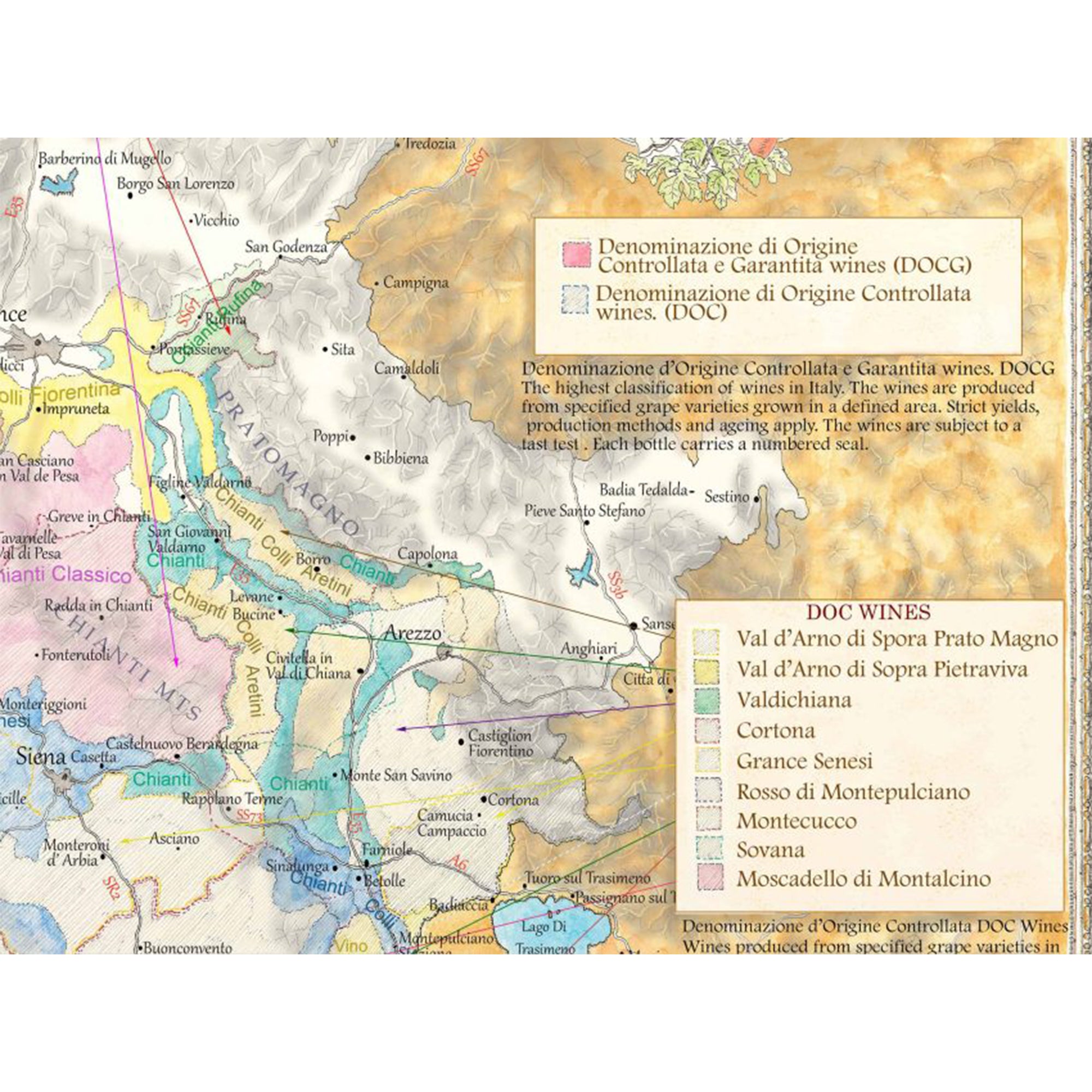
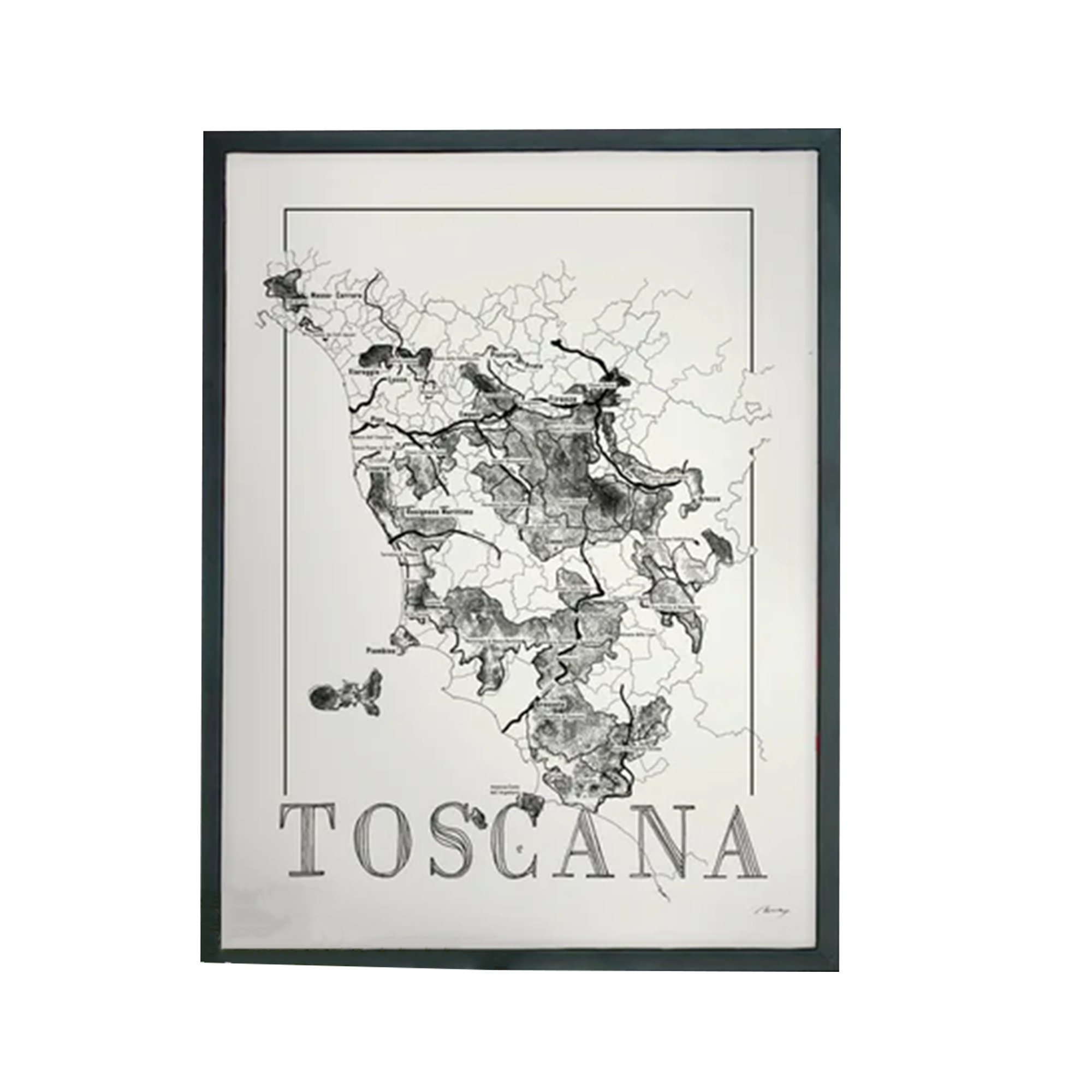
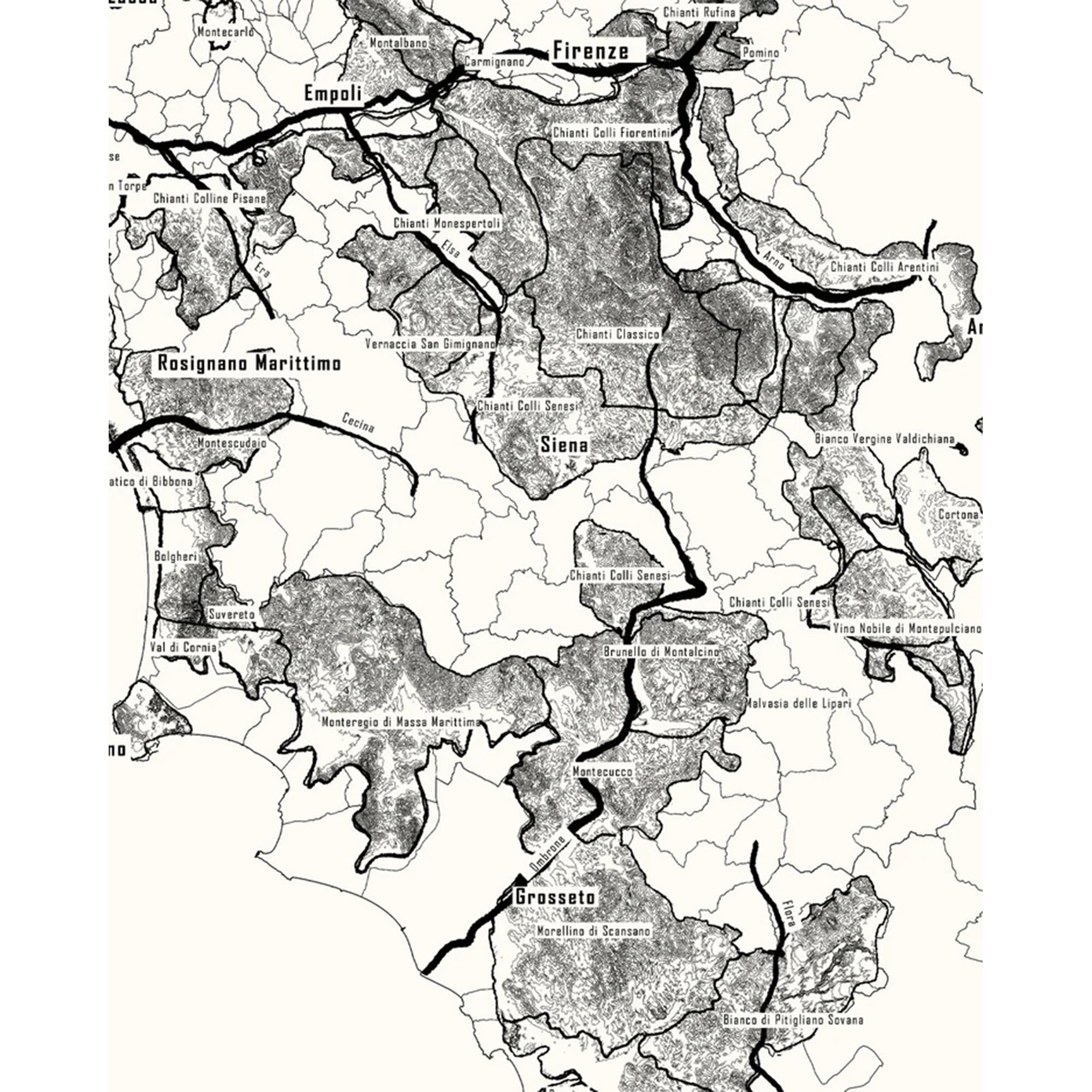
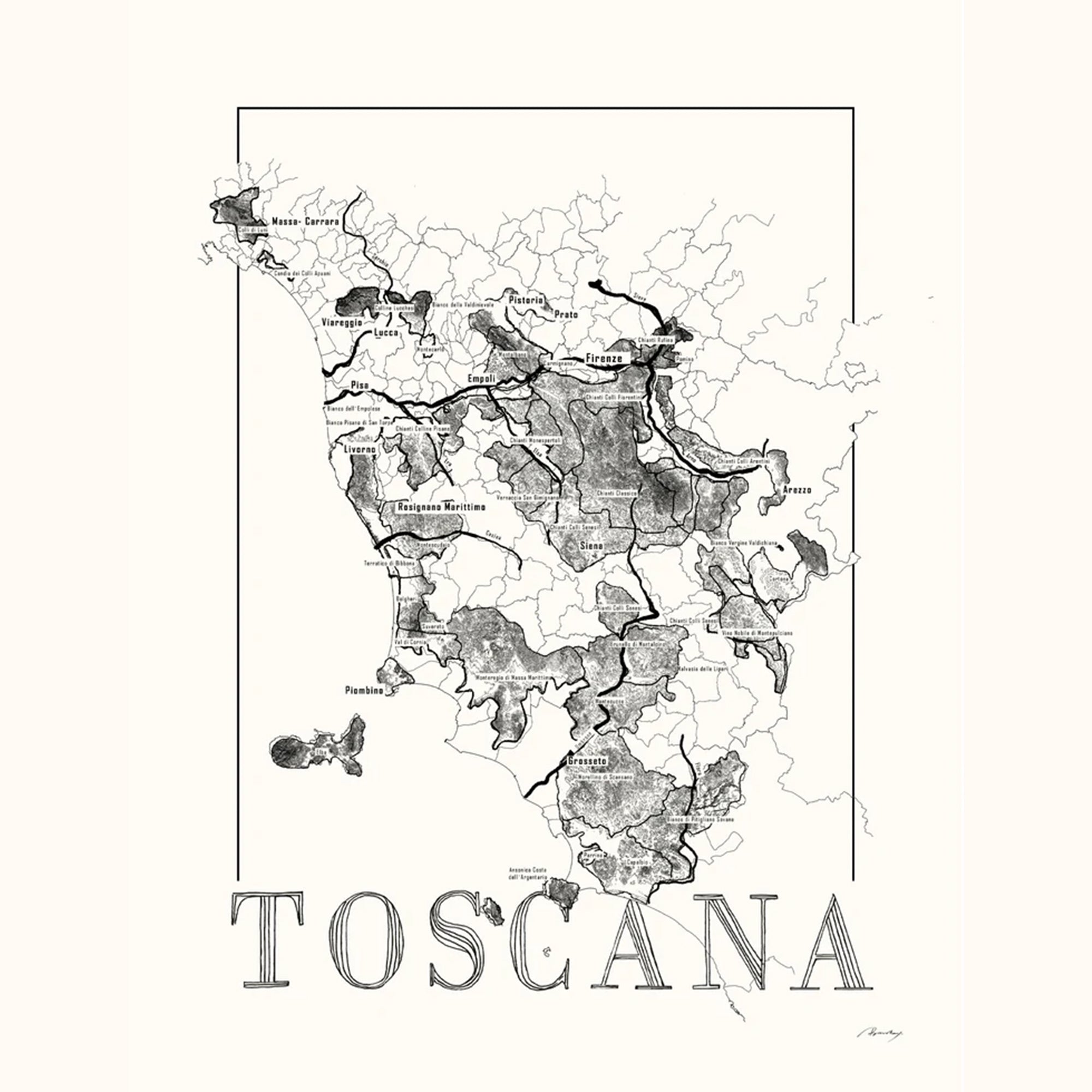
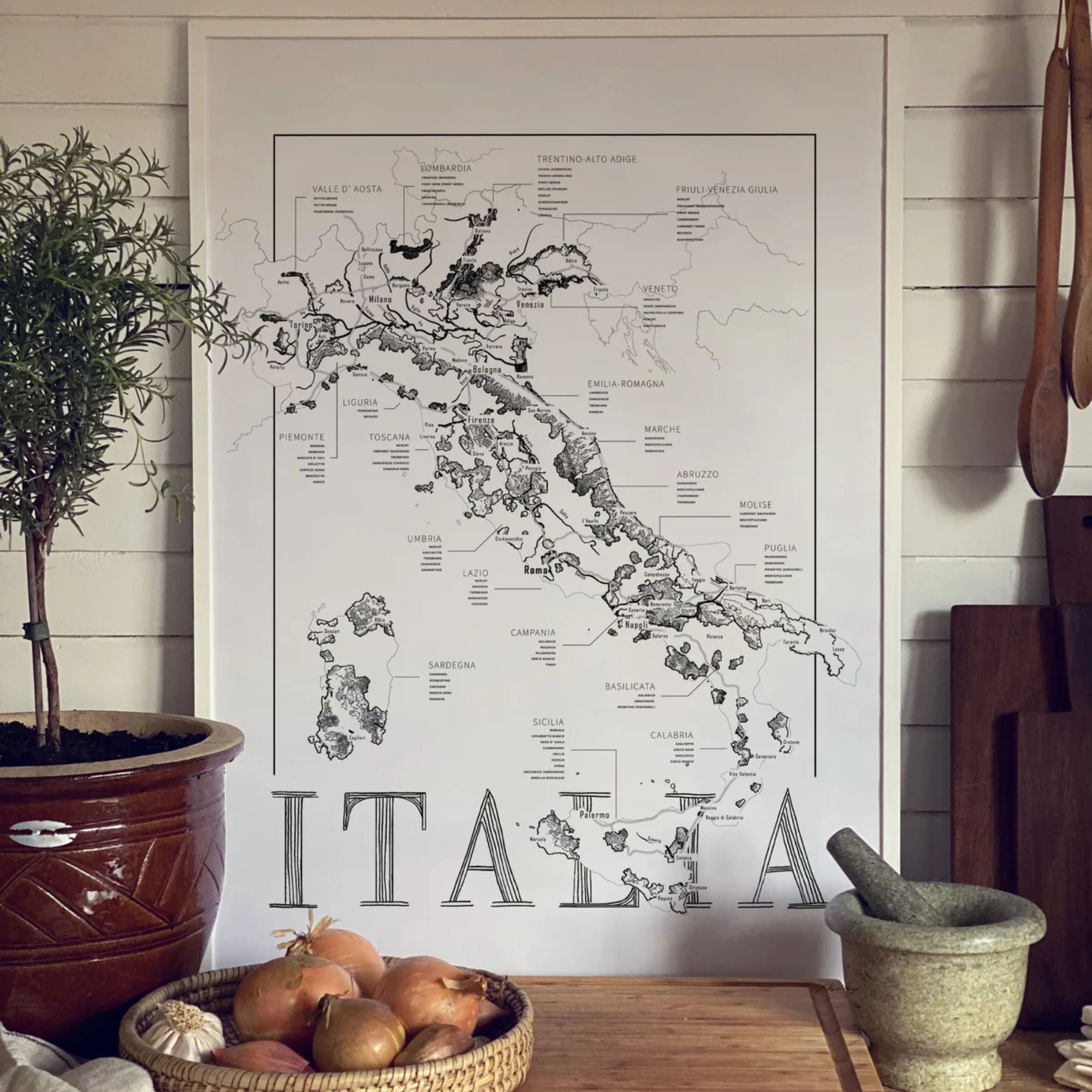
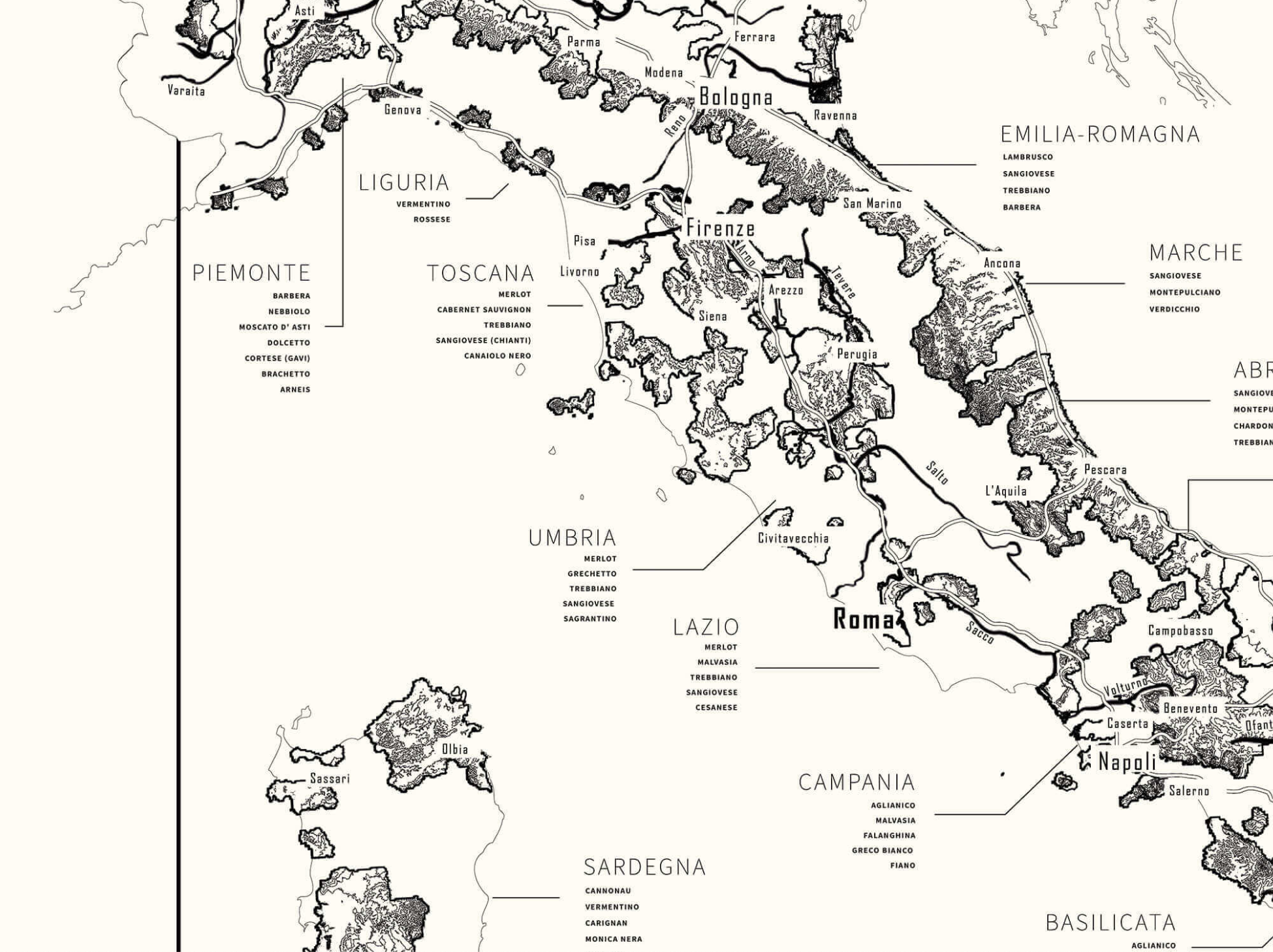
Bolgheri is actually a little piece of Bordeaux in Italy. Everything here exudes wealth. Less picturesque, more opulent. That starts already En route . The access road to Bolgheri is the Viale dei Cipressi, a five-kilometer-long avenue lined solely with cypress trees. Not only the lushness is reminiscent of Bordeaux, but also the wines. Unlike the rest of Tuscany, where Sangiovese dominates, here the Bordeaux grape varieties take center stage. The vineyards are filled with French gems like Cabernet Sauvignon, Merlot, and Petit Verdot (and a touch of Syrah). Over the years, Bolgheri wines have been dubbed "Super Tuscans."

The origin of the Super Tuscan
The term originated sometime in the 1970s in and around the Chianti region. A group of winemakers had had enough of the region's outdated rules. A Chianti made partly of white grapes? Stop it! Things had to change, and they were going to prove it. Taking Bordeaux as their example, they changed the grape blend and traded the large wooden vats for small barriques. Under no circumstances could such a wine bear the name Chianti, but that didn't stop anyone from going wild. In 1971, the first Super Tuscan hit the market: Tignanello from the Antinori winery, a blend of 80% Sangiovese, 15% Cabernet Sauvignon, and 5% Cabernet Franc. And the appellation? Simply IGT Tuscany.
In the meantime, the legislation has been amended and this wine is now even allowed to bear the DOCG Chianti Classico label, but they no longer do this. Too little, too late . The image of Chianti, and therefore also Chianti Classico, has suffered a significant dent over the years. At the same time, Antinori has built a strong brand with Tignanello. The fact that it's "only" an IGT Tuscany doesn't bother anyone.
Antinori began by exchanging the white grape varieties of Chianti for red grapes from France. Many producers followed suit, but not all chose to retain Sangiovese. The Ornellaia winery in Bolgheri produces the famous Masseto, which is made entirely of Merlot. Ornellaia's L'Essenza is also a typical Bordeaux blend: Cabernet Sauvignon, Merlot, Cabernet Franc, and Petit Verdot. Tenuta San Guido also uses only Cabernet Sauvignon and Cabernet Franc in its famous Sassicaia.
And so it came into being The Super Tuscan .
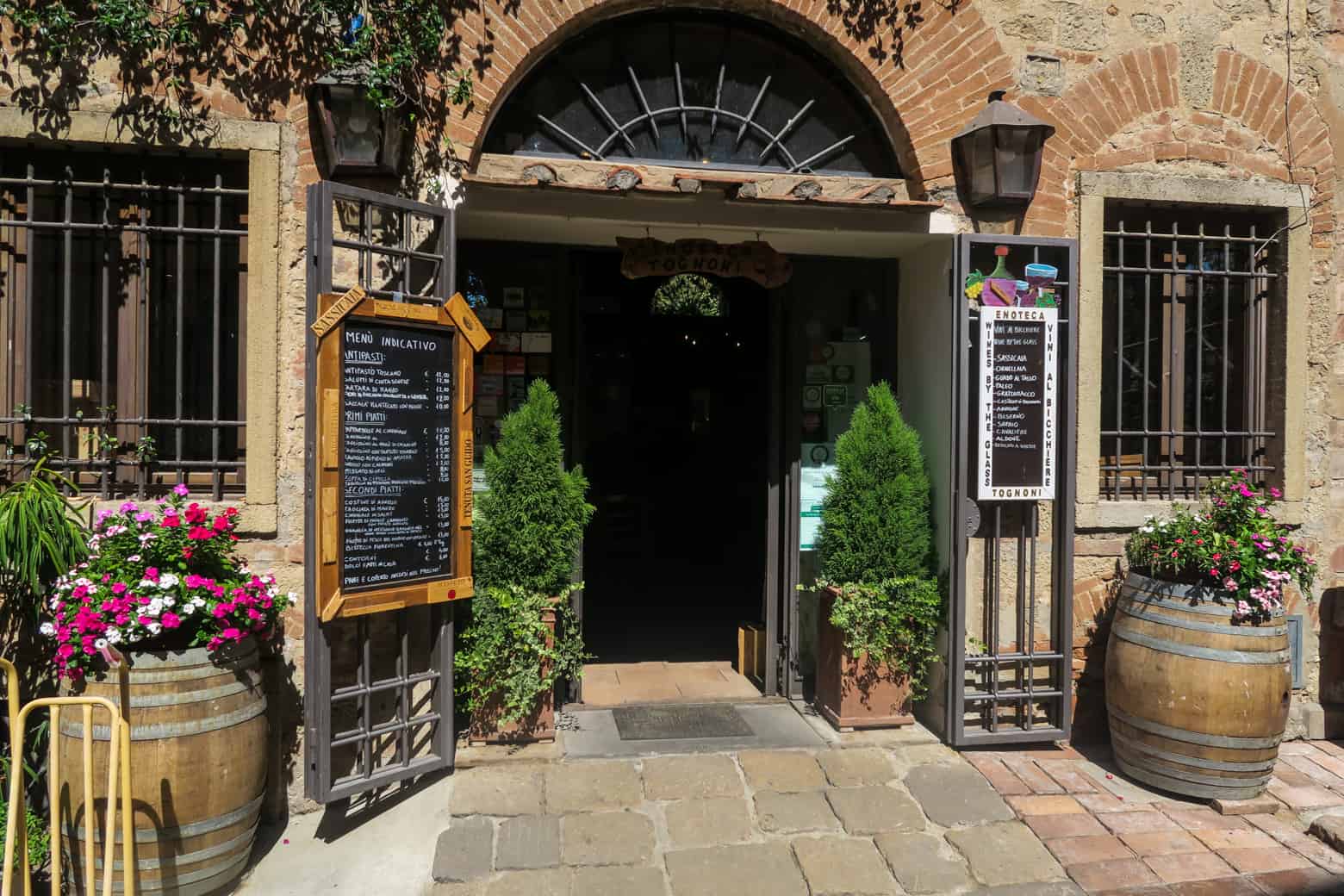
Enoteca Tognoni, the first restaurant on the left
Back to Bolgheri. This holiday, a mini road trip through Tuscany was a dream come true. It started with Brolio Castle and ended at Ornellaia . To celebrate, I decided to splurge on my last day in Bolgheri and join Enoteca Tognoni.
Sarah from Ornellaia recommended having lunch at the first restaurant on the left. It looks like a pasta canteen/wine shop, either newly opened or always chaotic. The latter turned out to be true. Nothing suggests that you can taste the best of Bolgheri here.
Welcome to Enoteca Tognoni.

The great thing is that you can also order tasting glasses here. Two sips of Sassicaia cost me 16 euros, but it left me with a priceless memory. Go. Go. Along with Ornellaia, Tenuta San Guido is Bolgheri's most famous winery. The Sassicaia paired quite nicely with the ravioli ripieno di anatra (duck ravioli). La Bella Vita has really won me over.
Enoteco Tognoni, Via Lauretta 5, Bolgheri


Share:
A look inside Ornellaia
2017 was a good year