
Kodawari is Japanese for the uncompromising pursuit of perfection. It's about love, dedication, attention to detail, and an incredible perseverance. It could be a bus driver applying kodawari to his work, a writer, or, as in the book, a wasabi grower. This man tends to his crop day and night. Along the way, we learn more about wasabi and the fact that you can almost never find real wasabi here because 1) it's very expensive and 2) it doesn't preserve well. Kodawari is incredibly demanding, but in a way, I can also imagine it offers a sense of peace. This is what I do and how I do it. Period.
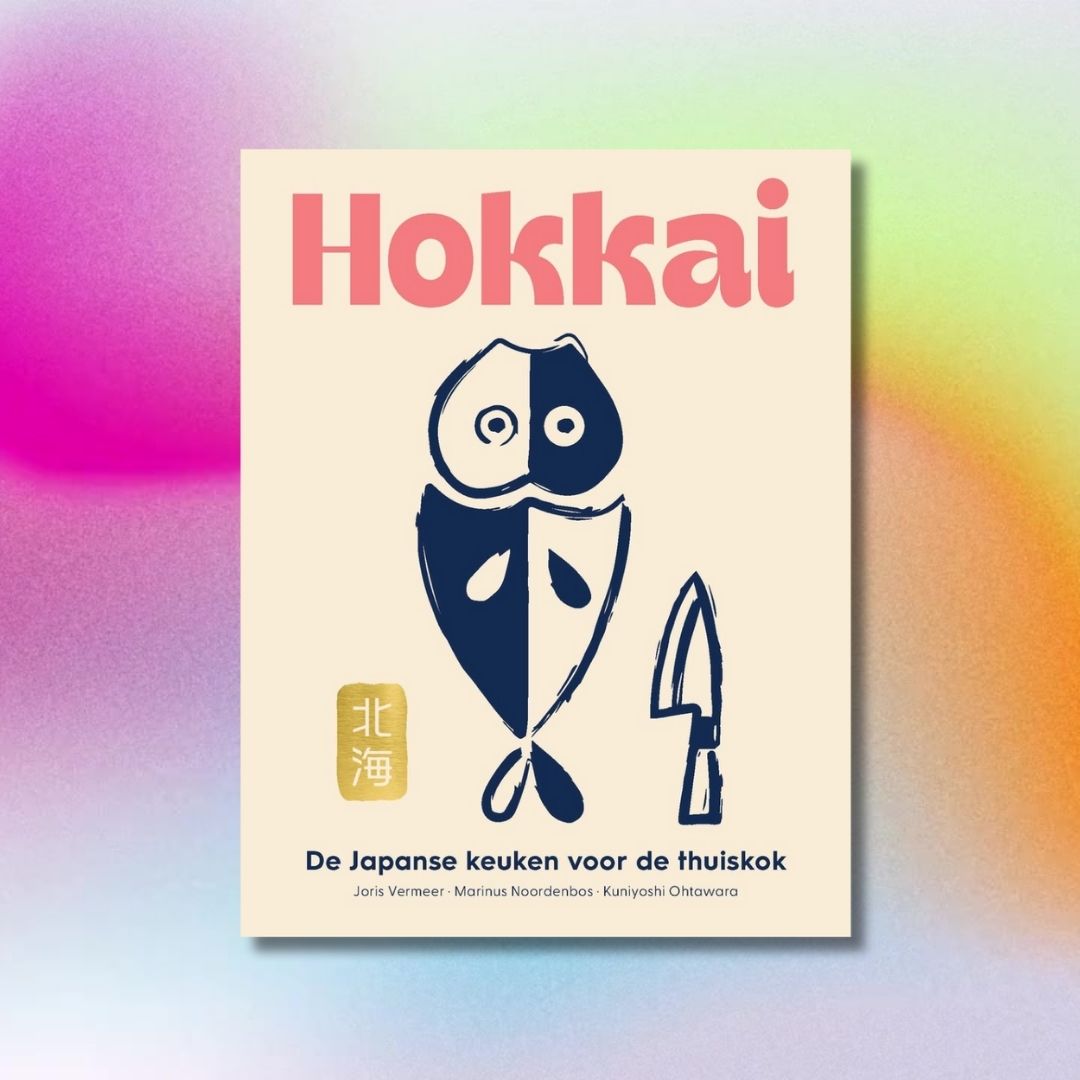
It seems Marius has also applied this principle to his life's work: Hokkai. Hokkai is a fish restaurant in the harbor of IJmuiden, which not only attracts Dutch people, but also Japanese expats from all over Europe. And for good reason, I think. The restaurant is also at the top of my bucket list. Until then, I'll have... new book by Noordenbos To improve my Japanese cooking skills. Together with Joris Vermeer and Kuniyoshi Ohtawara, he wrote a cookbook subtitled "Japanese Cuisine for the Home Cook." That was the deciding factor. I'd ordered a Japanese cookbook before, but I couldn't use it at all, even though I cook regularly. The recipes were too complicated, the ingredients were hard to find, and the photos didn't exactly make my mouth water. This book is different in every way. It's aimed at home cooks, and the recipes look clear and incredibly delicious.
A word of caution: there aren't many sushi recipes, because—as it turns out—the average Japanese person doesn't make it at home. Preparing sushi, especially the kodawari method, is asking for a panic attack. Not only does the fish have to be top-quality, but the rice also has to meet strict requirements (quantity, acidity, and doneness). “Sushi is so simple that every element has to be perfect,” I read somewhere once. Well, good luck with the contest. So, for that, even in Japan, you go to a specialist. What is common to make at home, and I'm already looking forward to it, are gyozas (Japanese dumplings). Making gyozas isn't very difficult, but it does require a lot of preparation. You distribute them among the guests while enjoying a chat and a glass of sake, and a party is born.
This book is a must-read for anyone who adores Japanese cuisine. After reading Hokkai, you'll instantly fall in love and want nothing more than to travel through Japan, dine in IJmuiden, and host your first gyoza party.
Want a sneak peek? Listen to the "Smakelijk" podcast with Marius Noordenbos. Highly recommended!
Share:
The benchmarks: white wines
Third place at the Dutch National Blind Tasting Championships