
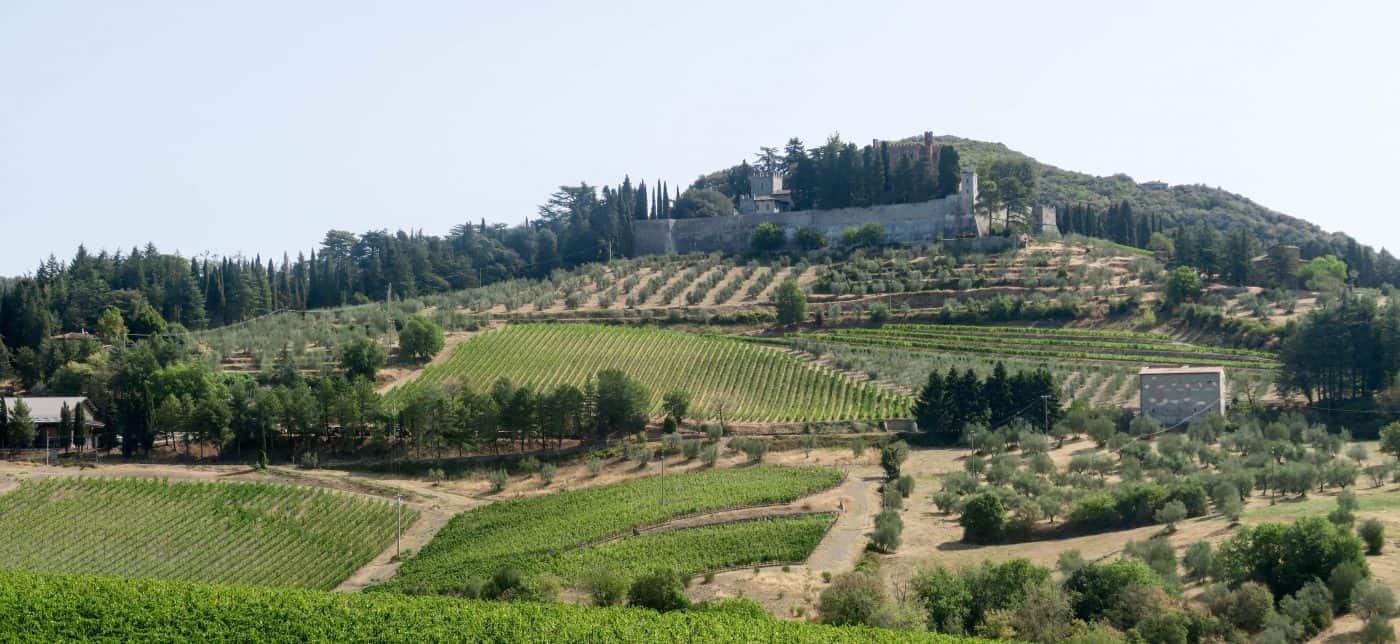
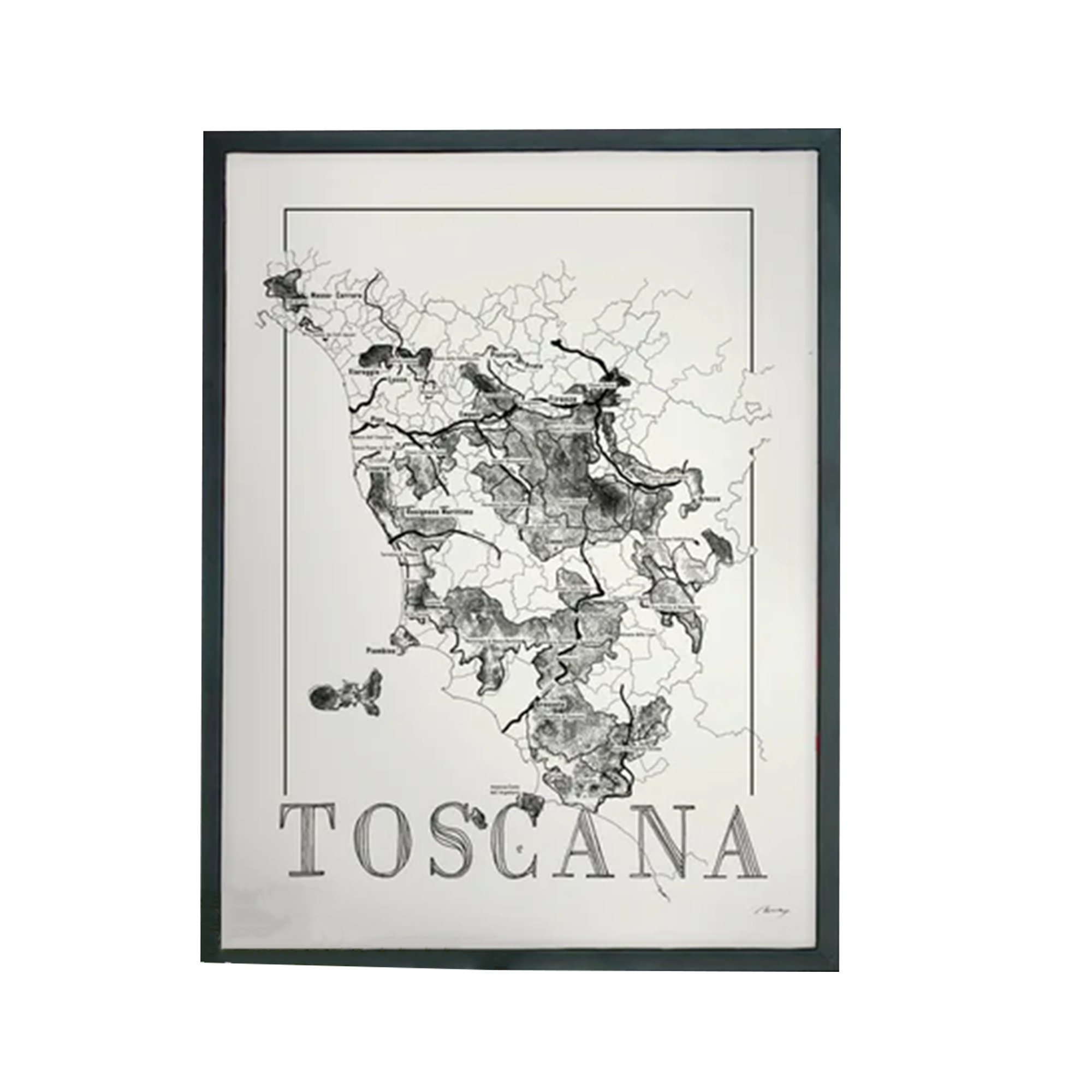
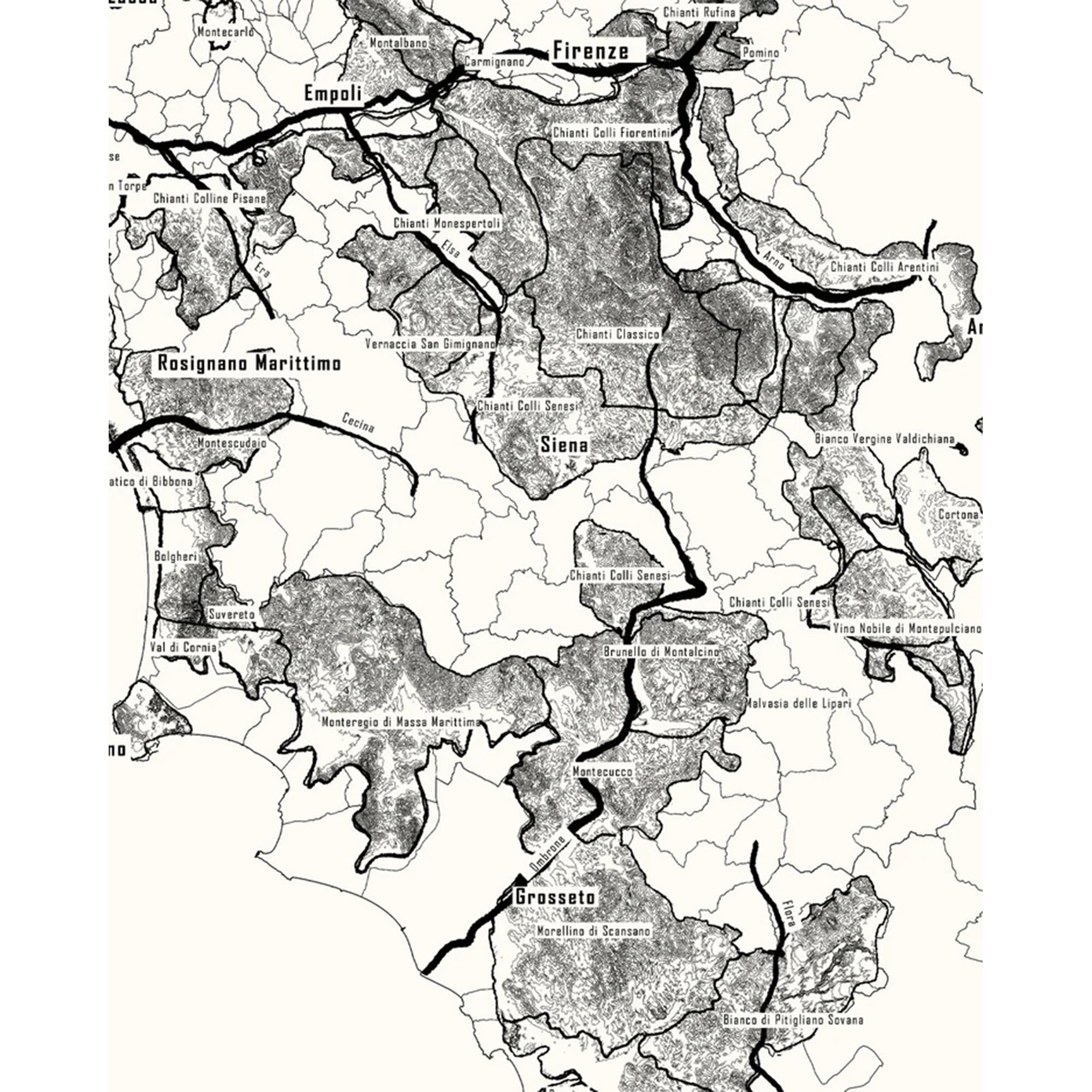
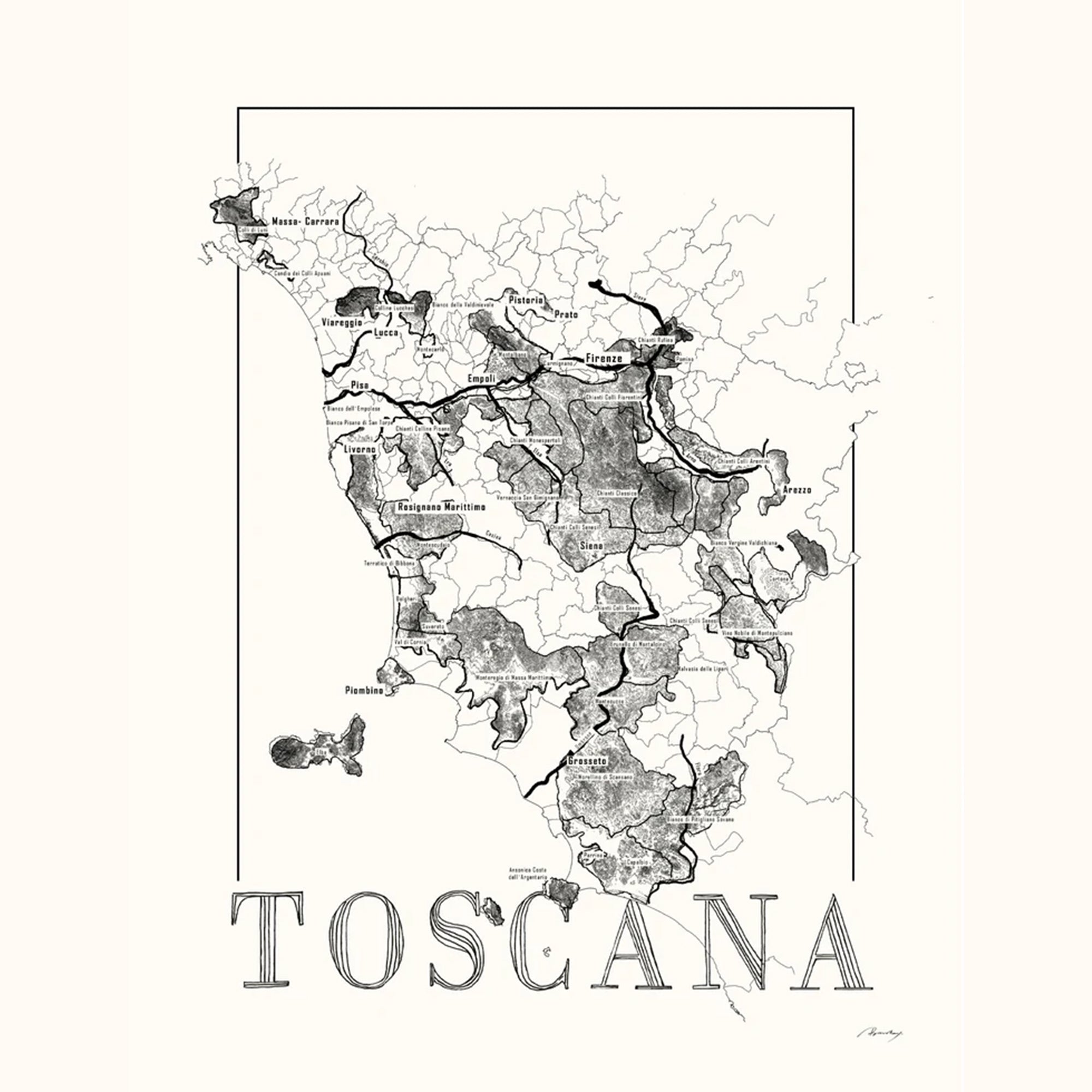
When I first tasted Sangiovese a few years ago, my curiosity was immediately piqued. Yet, I never got around to visiting the region where this super grape originates. That wouldn't happen again this year. Tuscany, here I come!
But not before arranging a few fantastic winery visits. I was overjoyed when I heard I'd be visiting Castello di Brolio – With great thanks to importer Vinites . Castello di Brolio is one of Italy's oldest wineries, the largest in Chianti, and was at the very beginning of this region's history.
Barone Ricasoli
Castello di Brolio—literally, Brolio Castle—has been owned by the Ricasoli family since 1141, and they still run it today. Now that's what I call a family business. It's not exactly quaint anymore, though: they produce two million bottles a year.
Let's start with 1872: that was the year Bettino Ricasoli discovered the ideal grape blend for Chianti. The recipe consisted primarily of Sangiovese, supplemented by 30% white grape varieties (Trebbiano and Malvasia). This was so successful that a hundred years later, the Chianti Consortium adopted it almost identically as its production guidelines when Chianti transitioned to DOC status.
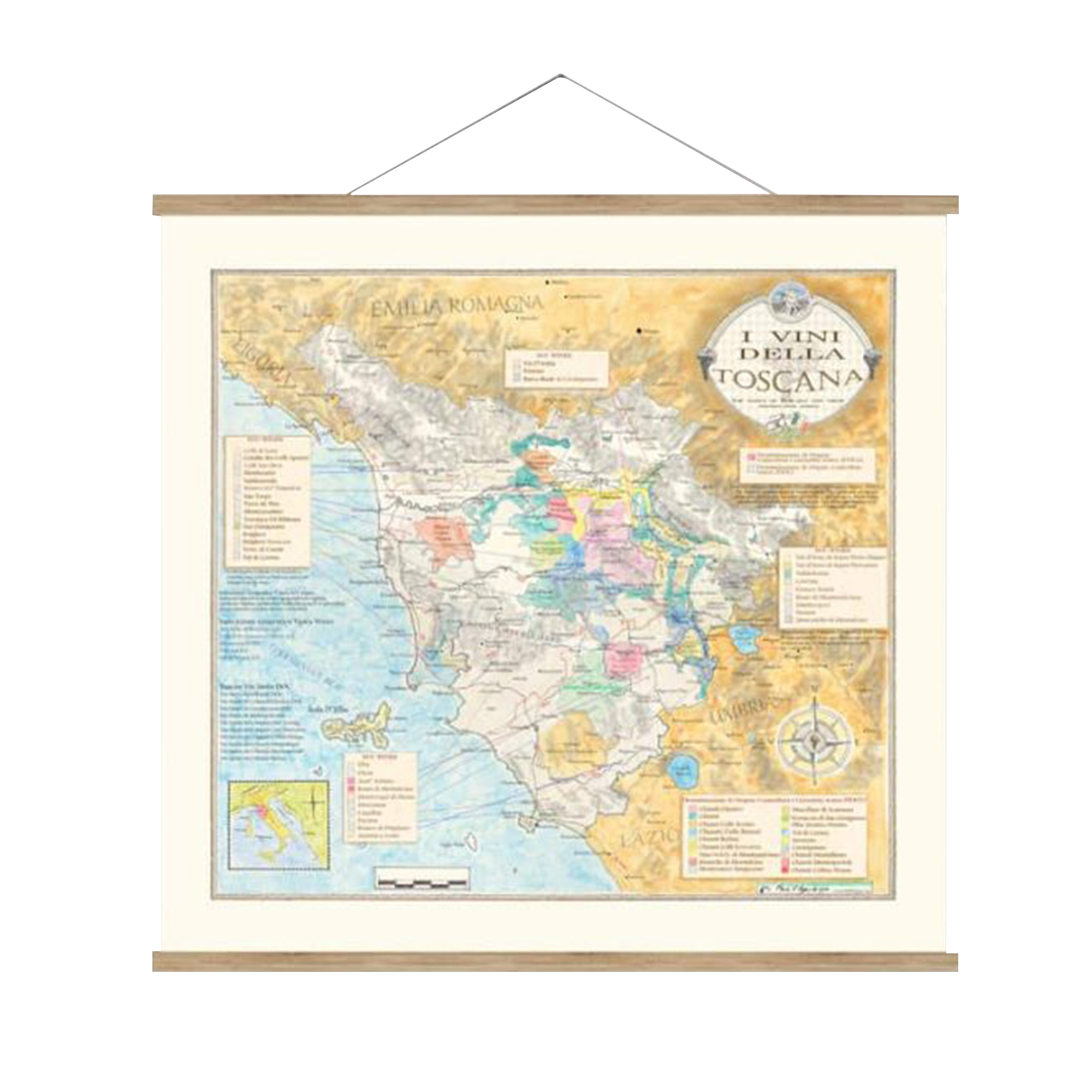
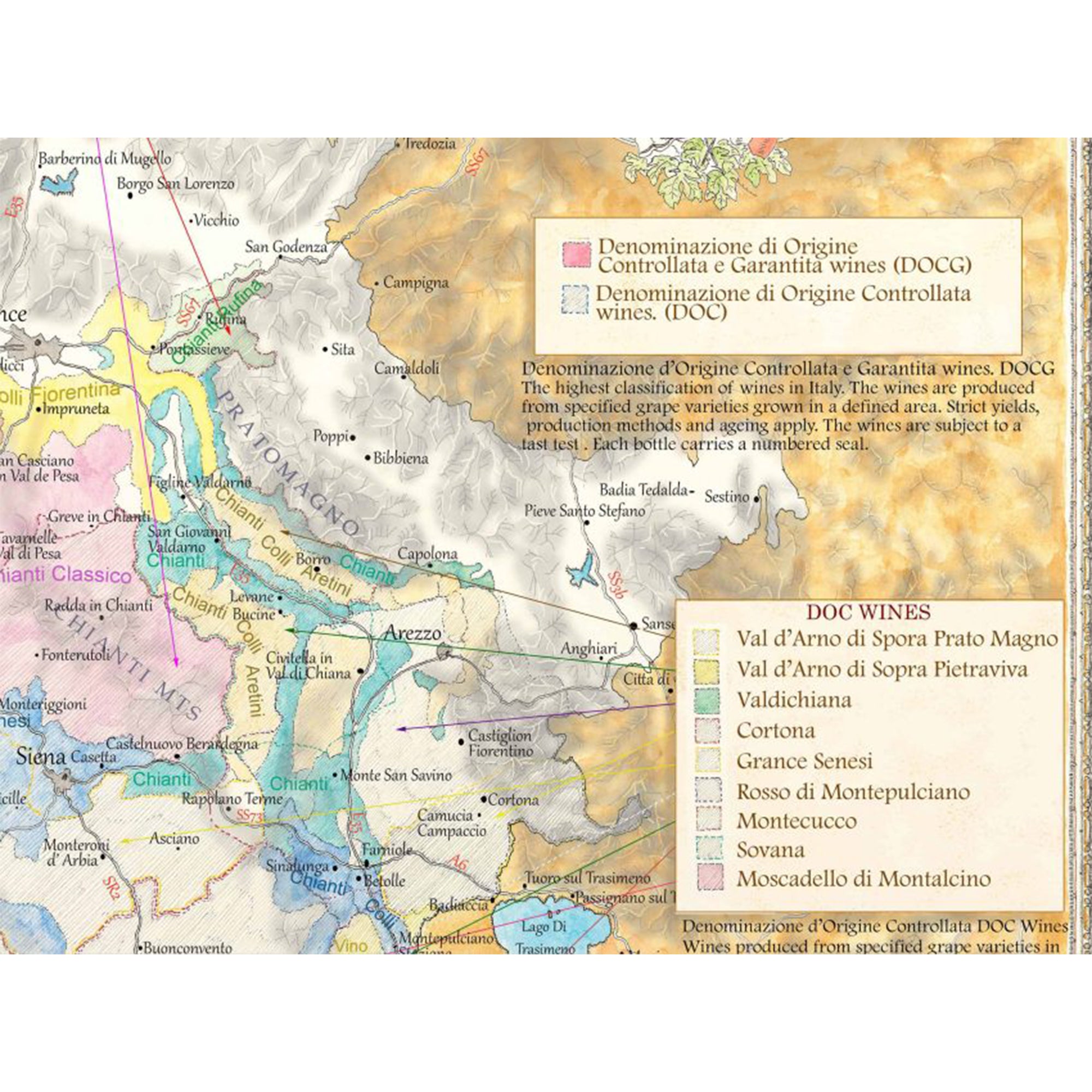
In the years since, the recipe has been modified a few more times, boundaries have been established within the Chianti region, and many small producers are now making Chianti-style wine but no longer labeling it. In short, if you want to understand anything about Chianti, you'll need to delve into it a bit. More on that later.
Visiting Castello di Brolio
First, I'll go back to the beginning of history. After an hour's drive, I arrive at Castello di Brolio and am immediately in luck. " What time will you be here until?" " Three o'clock? Oh, will you join us for lunch then?"
Italian hospitality is something we should all learn from. My guide, Elizabeth, who has worked for Barone Ricasoli for over twenty years, takes me to the vineyards where the Merlot is just being harvested. It was a warm year, so they've already started. In two weeks, Sangiovese will also be harvested.
It's like the WSET-3 course is playing out like a movie before my eyes. I'd never really consciously looked at a vineyard before. More like, "Oh, beautiful, look how nicely those grapes look." Now, to my own surprise, I saw this scene with a different eye. I recognized the single cordon method! Say what? That's a pruning method. The vines are then in a straight line, which makes picking easier. Beautiful, right?

We walk on to the cellars, where part of the harvest is already being processed. First, the grapes are destemmed and crushed. Via hoses and gravity, they are transported to the tanks where alcoholic fermentation takes place. Those tanks aren't what they used to be either. Incredibly high-tech. Everything can be controlled. This is where the next term comes in: pushing down the cap.
A few times a day, a stainless steel plate pushes the "cap" down. What wine jargon, huh? The "cap" is actually a collective term for all the skins that float to the surface. Carbon dioxide is created as a byproduct of alcoholic fermentation, which pushes the cap upward. The winemaker must occasionally mix the skins with the juice, as this is where most of the aromas and tannins are naturally found.
Another method for this is pumping over – pumping over – by letting the juice flow back over the cap. This is a slightly more subtle method than pushing the cap down. These are choices the winemaker must make. Do I opt for a subtle touch, or should I extract everything I can? It can also be a combination of both.
Then suddenly two men in lab coats appear on the floor. They're just starting their tasting. Yes, every morning they check each tank for acidity, flavor, sugar content, and alcohol. Lucky me, I get to join in today! We taste the must from three different tanks, each a bit further along in the alcoholic fermentation process. Wonderfully sweet, especially the first one, where fermentation has just begun, is like blackberry marmalade. That's promising.
After fermentation and malolactic fermentation, the wine goes to the resting place: the aging cellar. We're not going to be lugging it around; it's conveniently done via this pipe system. Now, I wasn't sure what to expect from a wine cellar belonging to the largest Chianti house, but this…

I certainly didn't expect it to be this big. Hundreds of barrels are stored here. The wines are aged here until they're ready to be bottled. That takes a while. A Chianti Classico must age for at least 11 months, but it often takes longer. The Gran Selezione (the flagship) of Castello di Brolio is even aged for 21 months in French oak.
And now: tasting!
My head is starting to overflow with all this information. Luckily, we're going to taste it.
Torricella 2015, IGT Toscana
Until 2009, Torricella was made entirely of Chardonnay, but these days, a drop (15%) of Sauvignon Blanc is added. The Chardonnay has been aged in oak for seven months and actually benefits greatly from such a fresh breeze.

Brolio 2014, DOCG Chianti Classico
This Chianti Classico is made of 80% Sangiovese, 15% Merlot, and 5% Cabernet Sauvignon. Soft tannins, herbs, and fruit. This, and pasta pomodori. Say no more.
Colledilà 2013, DOCG Chianti Classico Gran Selezione
Gran Selezione, a new term in the Chianti world, is the same as "cru" in French. It refers to a single vineyard, Colledilà. Because of the specific terroir, primarily limestone, Ricasoli decided to create a single-vineyard Sangiovese from it. Perfect with steak. Powerful, yet soft tannins with aromas of flowers, chocolate, and cherries.
Castello di Brolio 2013, DOCG Chianti Classico Gran Selezione
Hatsiekiedee, the club's flagship wine, and I understand why. This is why I LOVE Sangiovese. It's like capturing Tuscany in a glass. Balsamic vinegar, herbs, cherries, tobacco. The wine is aged for 18-21 months in oak and 18 months in bottle before being released. Go get 'em.
Casalferro 2013, IGT Toscana
Casalferro has already earned at least 10 points for its label. Don't be fooled by IGT Tuscany. The winemakers sometimes want something different and opt for 100% Merlot. It works really well, but it's not allowed by the DOC(G). So, IGT Toscana is bottled. It also ages 18-21 months in oak and 18 months in bottle. It's just like Merlot: elegant, feminine, and round. But with a hint of balsamic vinegar. It's fun to try a French Merlot.
Sangiovese, ti amo
It's not the first time I've been captivated by Sangiovese. It's happened before, but then again, I was new to the wine world and there was still so much to discover. Restaurant Lux The wine world reminded me once again that I really shouldn't forget this amazing grape. After this trip, I never will. Sangiovese, ti amo ❤
For five days, I crisscrossed Tuscany on my own, searching for wine stories . From Florence to Bolgheri.
Share:
2016: a year without FOMO
A wine fan in Lisbon: 24 hours!