
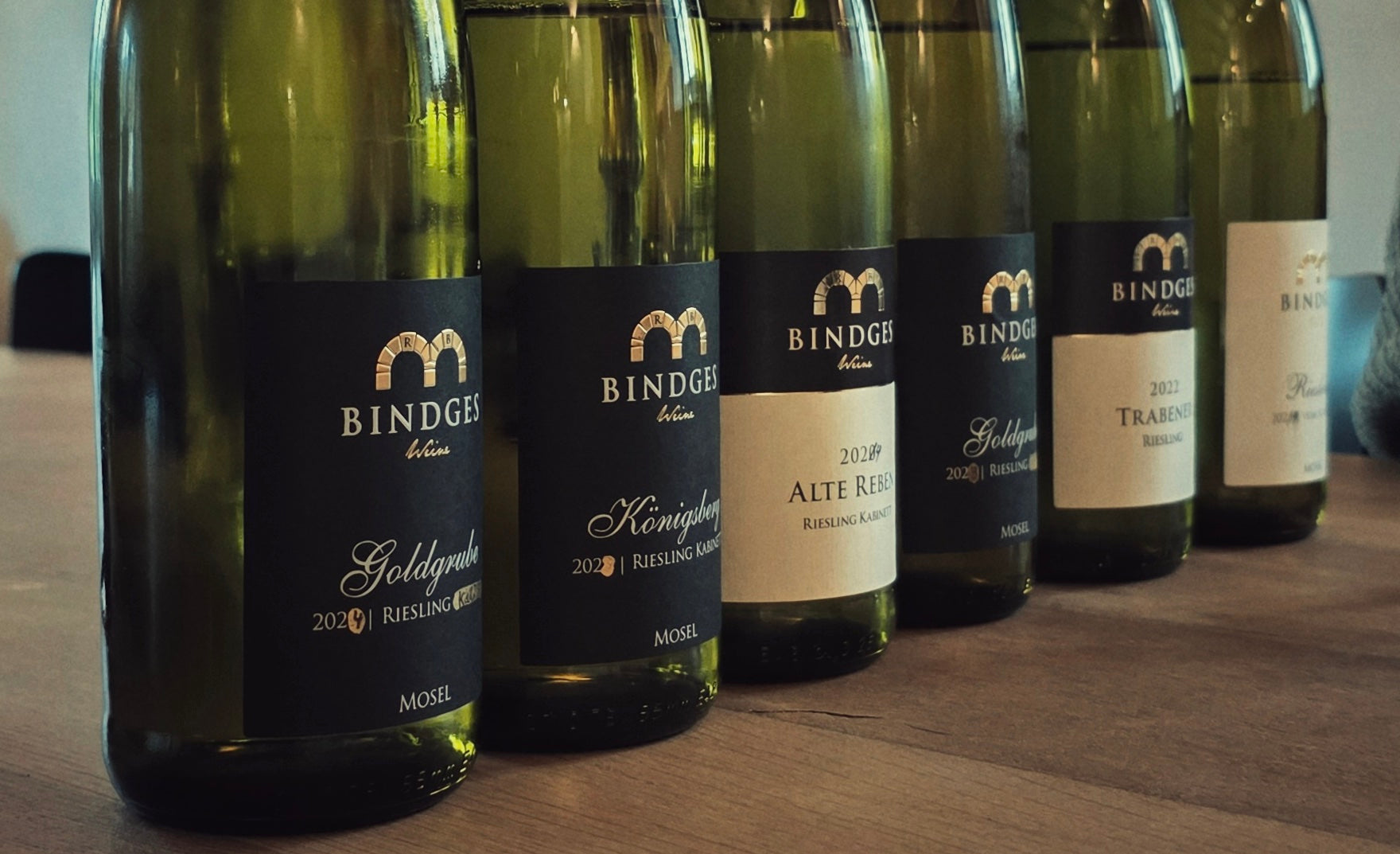
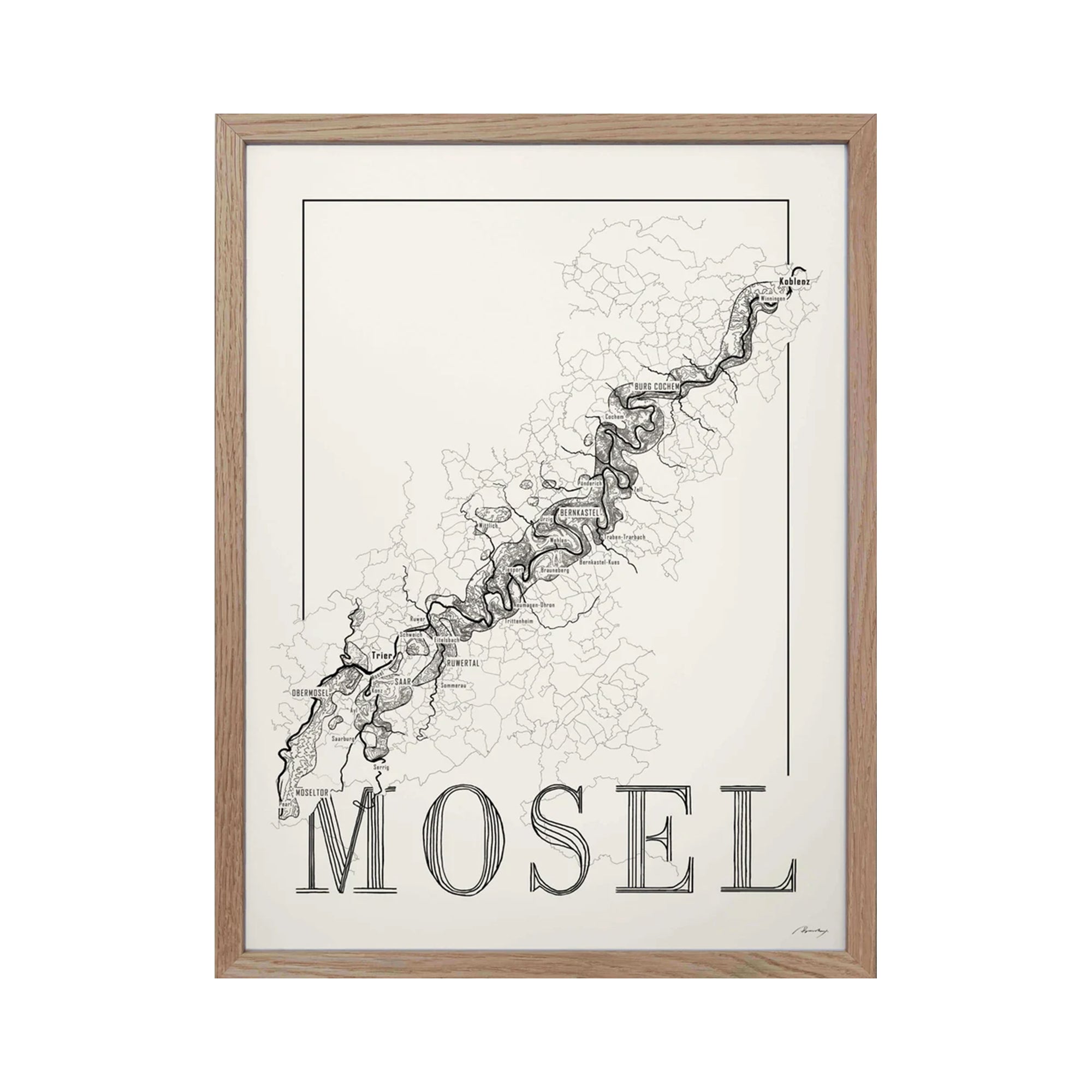
The week before Easter, WINESTABRAM went on a "buying trip" to the Mosel region. One of the estates we visited was that of the young Christiaan Bindges. I met Christaan a few years ago at the Railway Museum in Utrecht, where he was showing Riesling, Pinot Noir & Co., and we were already impressed by his Mosel wines. So, it was high time for a visit.
Weingut und Gästehaus Bindges
Until the 1980s, Christian's grandparents managed the vineyards. Together, they operated the classic form of income in the Mosel: making wine and selling it to guests who arrived along with the rest of the Klaverjas/Bingo/Kegel club on tour boats from the Mosel River.
After his father took over the estate, the grapes were sold to the cooperative, something Christian saw little future in. He had no intention of continuing the family business and left his native village to study and pursue a completely different path. But as he began to better understand the success and potential of dry German Riesling, something began to itch. His family's vineyards also turned out to possess a unique terroir, with those characteristic slate soils. Ultimately, he decided to take the plunge.
Over 10 years ago, he started working at his father's estate and discovered he also had a knack for crafting terroir-driven, intense Rieslings. He moved the estate to a new location with a beautiful tasting room and now produces wines from vineyards he cultivates minimally. In the cellar, too, he uses as few additives as possible. All wines ferment spontaneously and are aged reductively to achieve the classic "Mosel stink" in his Rieslings.

Mosel stink?
Many wines from the Mosel and other German wine regions have a distinct aroma of sulfur, flint, or matches. However, this aroma isn't due to added sulfites. This famous aroma develops during (often spontaneous) fermentation and stems from a lack of nutrients (particularly nitrogen) in the slate soil and, consequently, in the final must.
Due to the lack of nitrogen and the reductive method used in the cellar, meaning the lack of oxygen, the yeast cells struggle and fermentation proceeds slowly. This creates a chemical compound that, depending on the degree of reduction, can produce odors of sulfur, flint, or matchstick.
The Mosel stink is also known in the region as "Sponti" because of the spontaneously fermented wines in which it is more commonly found. Christian also mentioned this specific aroma several times in his wines. It's an aroma we're increasingly finding in white Burgundies and what many people describe as "mineral" in their tasting notes.
On the test table
During our visit, we had the honor of being the first to taste the 2024 harvest. Despite being bottled three days earlier, the wines were fantastic!
Riesling Vom Schiefer trocken 2024
White peach, lime, elderflower, a bit stony. Substantial acidity, good balance, an ideal entry-level wine.
Trabener Riesling 2022
Ortswein from various plots in Traben-Trarbach. More development: ripe peaches, lemon oil, hints of smoke. Richer mouthfeel, soft acidity, slightly residual sweetness (10g sugar, 8.5g acid).
Goldgruber Riesling 2024
Steep Lagenwein with the famous blue slate. Super expressive wine: lime, elderflower, mineral, and open. Tight acidity, fullness, and long.
Alte reben riesling Kabinett 2024
At least 60-year-old vines. "Only" 20 grams of residual sugar, making for a super-elegant Kabi. Lime, elderflower, Haribo, smoky, and mineral. Elegantly sweet, substantial acidity, concentrated, and ripe.
Königsberg Riesling Kabinett 2024
From a higher-elevation plot, it's fresh and refined, despite 50 grams of residual sugar. Haribo candies, ripe apricot, and flint. Beautifully sweet, concentrated, with great acidity and a long finish.
Goldgruber Kabinett Riesling 2024
A plot where some are very ripe and some are less so, creating a wonderful balance. Again, 50g of residual sugar. Ripe mango, peach, smoky notes, and a touch of flint. A wonderful sweet/sour balance, long and intense.
Steffensberg Auslese Riesling 2023
The personification of noble sweetness. Intense aromas of honey, ripe tropical fruit, and vanilla custard. Rich and rounded in character, with an intense sweet/sour balance and a long finish.

Moselle 101
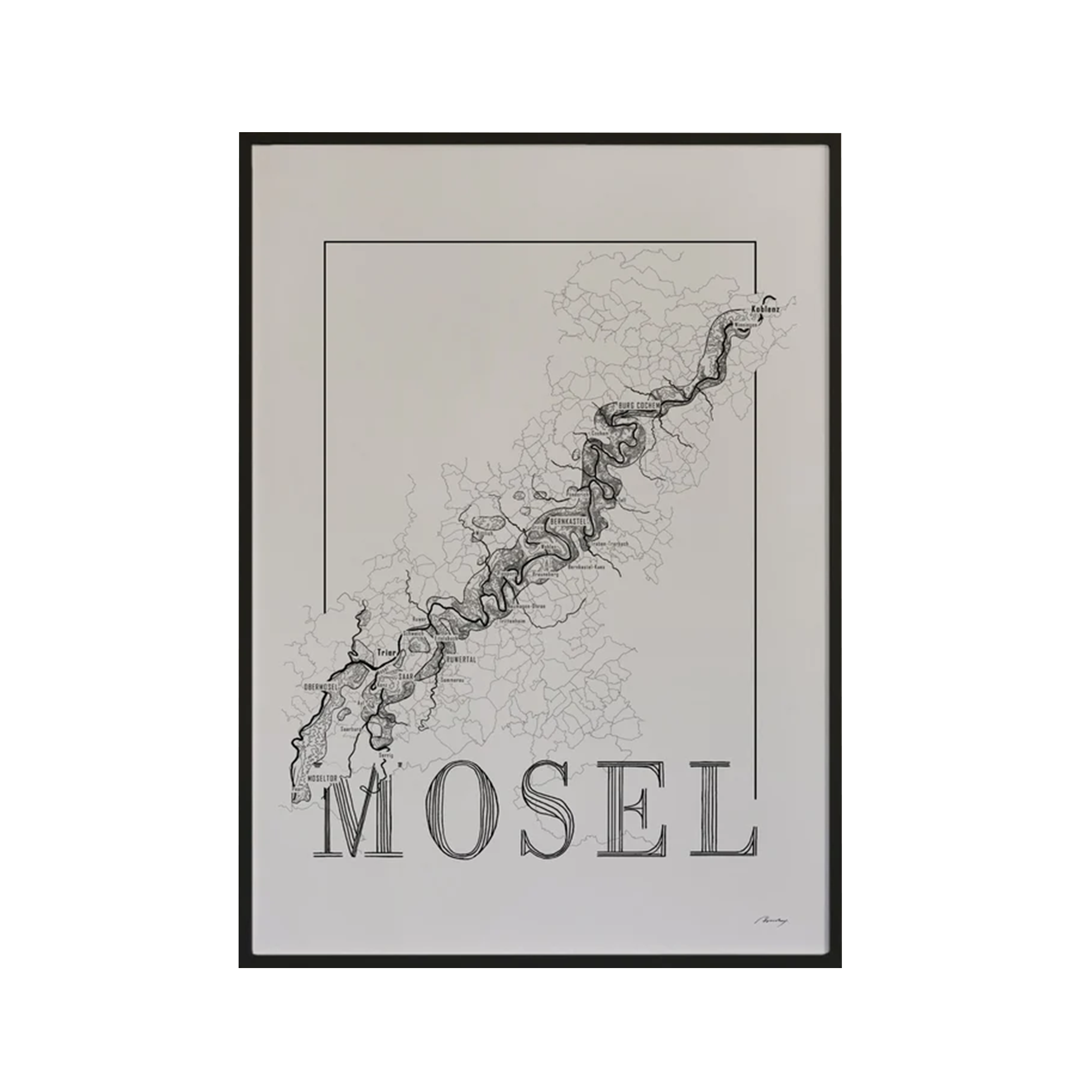
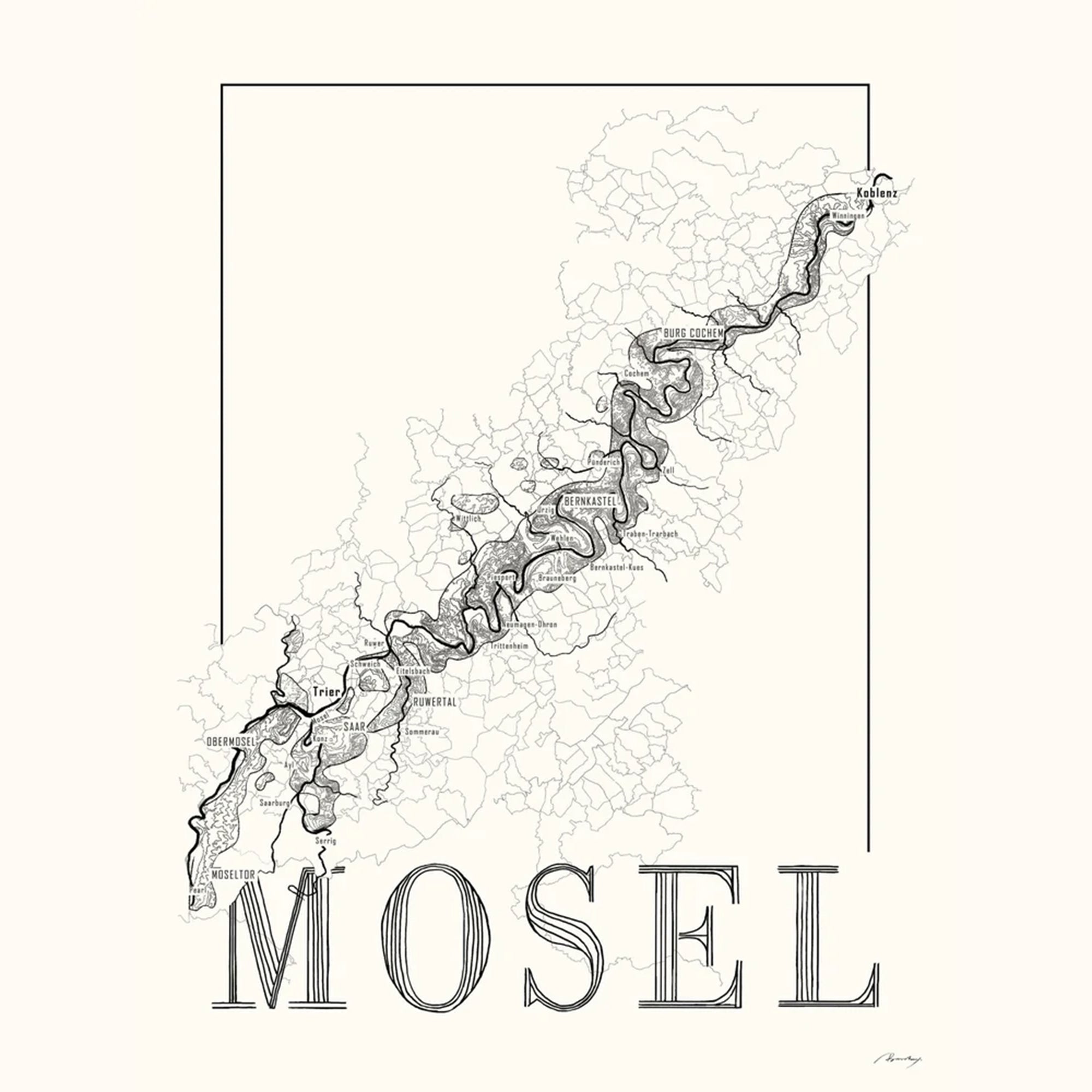
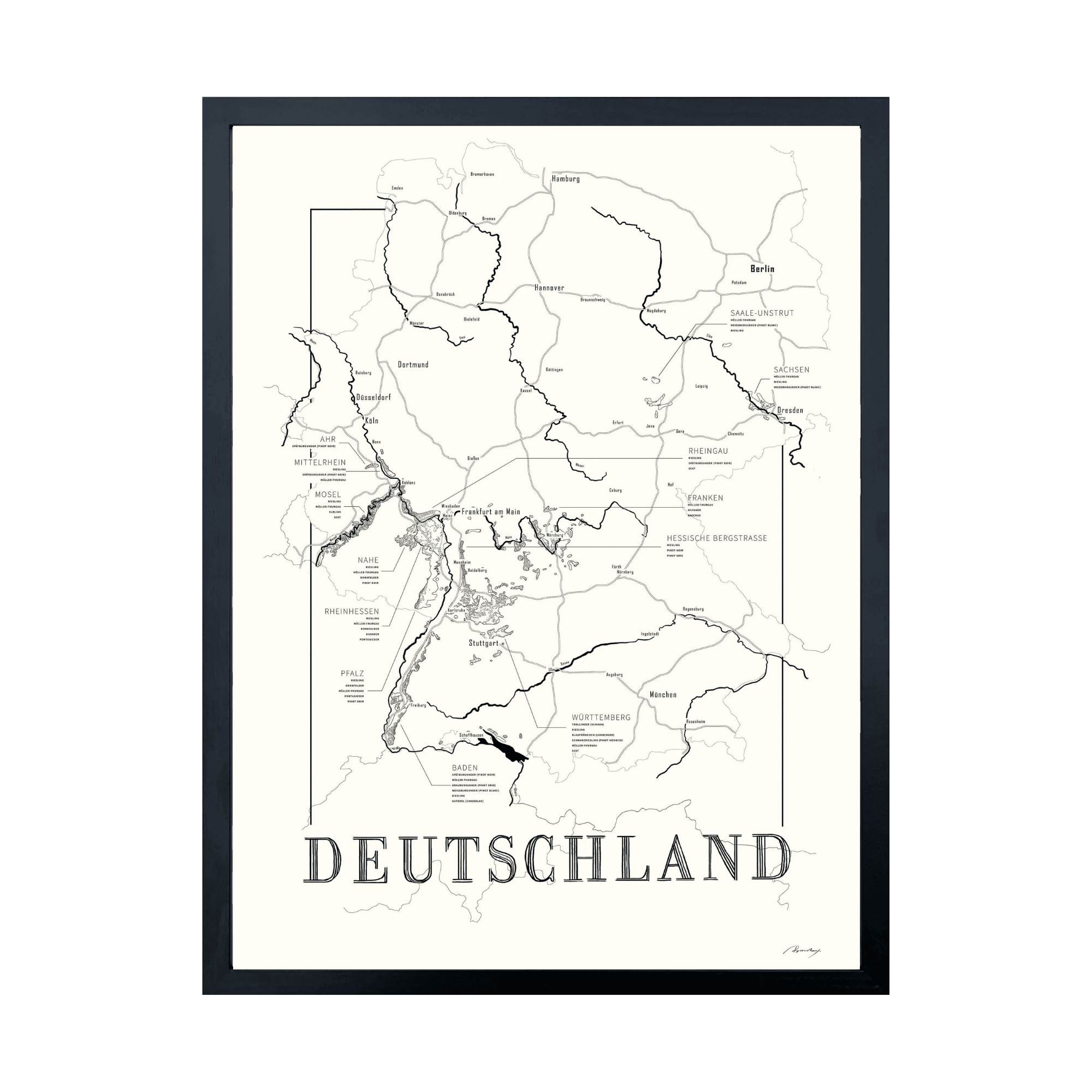
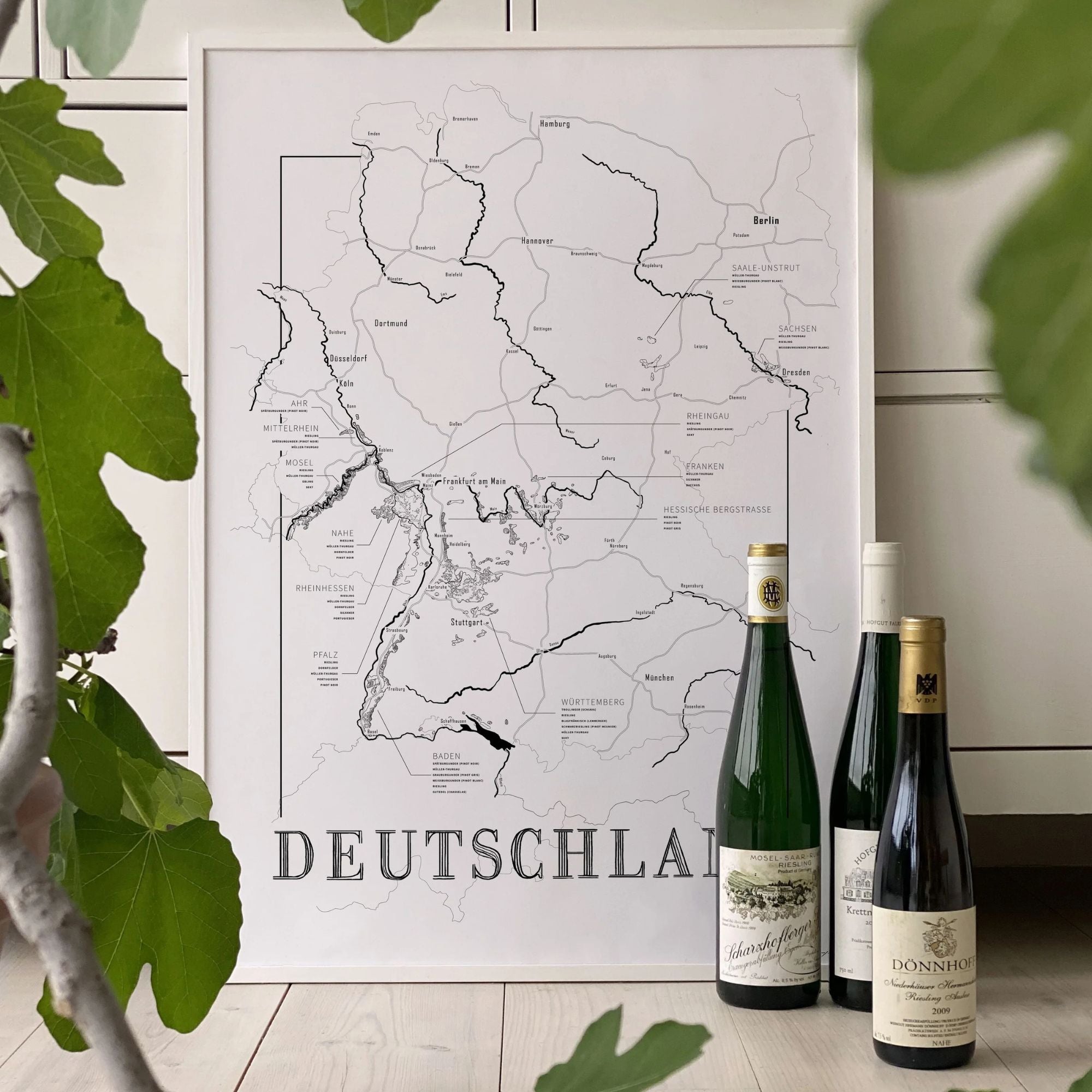
The Mosel is one of Germany's 13 wine-growing areas and is probably Germany's most famous wine-growing region. White grapes account for 90% of the production, and Riesling, accounting for over 60%, is the most widely planted grape variety.
The region is especially famous for its steep, slate-clad slopes along the river. The combination of steep gradients, stony, poor soils, and the influence of the river allows the Riesling grapes to linger here for a long time and (nowadays, thanks to considerable climate change) reach peak ripeness.
The (slightly) sweet Rieslings can compete with the finest wines in the world and have a modest alcohol percentage, beautiful acidity and the very best are often nobly sweet.
There are many VDPs. Grosse Lage, always dry wines that can hold their own against the world's great wines. These wines also have a modest alcohol content, beautiful acidity, and enormous concentration and length.

Sommelier Sanne van Uden and Christian Bindges during the wine and food dinner at SOMM, Uden. Photo: WINESTABRAM
Wine and food dinner
After our visit, we naturally wanted to bring back some wine! But the car was already full of bottles… Luckily, Christian came to the Netherlands two weeks later to host a wine and food dinner at restaurant Somm in Uden, where we were naturally also seated, and he offered to bring the bottles along. That was, of course, super cool!
Sommelier Sanne van Uden is friends with Christian, and together she created a delicious four-course dinner to pair with his wines. The best pairing of the evening was the Burrata from Heeswijk-Dinther with various preparations of tomato, black garlic, and cucumber vinegar, with, of course: Riesling 2024 Alte Reben Kabinett.
What a super exciting interplay between sweet and sour in both the wine and the dish!
The Spätburgunder we had not yet tasted was also of great class with the lamb and as icing on the cake Christian had brought the very, very, very last bottles of Steffensberg Beerenauslese 2018 to go with dessert.

Riesling, yes she is sweet!
There's a reason Kabinett (and other sweet and dry Rieslings) is becoming so incredibly popular again. These wines are of exceptionally high quality, have a low alcohol content, are very drinkable, and also have enormous aging potential.
Following our trip, I've put together a wonderful selection of (slightly) sweet Rieslings that we'll be tasting on Sunday, October 12th, at Proef bij Platenburg in Rotterdam. Would you like to join us?
Guest blogger: Bram Faber
After more than fifteen years as a (master) sommelier at the finest (Michelin-star) restaurants, Bram decided three years ago to leave the hospitality industry behind. Since then, Bram has worked as a wine instructor, leads wine tastings, and recently settled in Rotterdam at Wijnkoperij Platenburg as a wine consultant and account manager for the hospitality industry.
Share:
Second place at the 2025 Dutch Blind Tasting Championships
Wine and food pairing: pork belly, scallop and sweet and sour mango