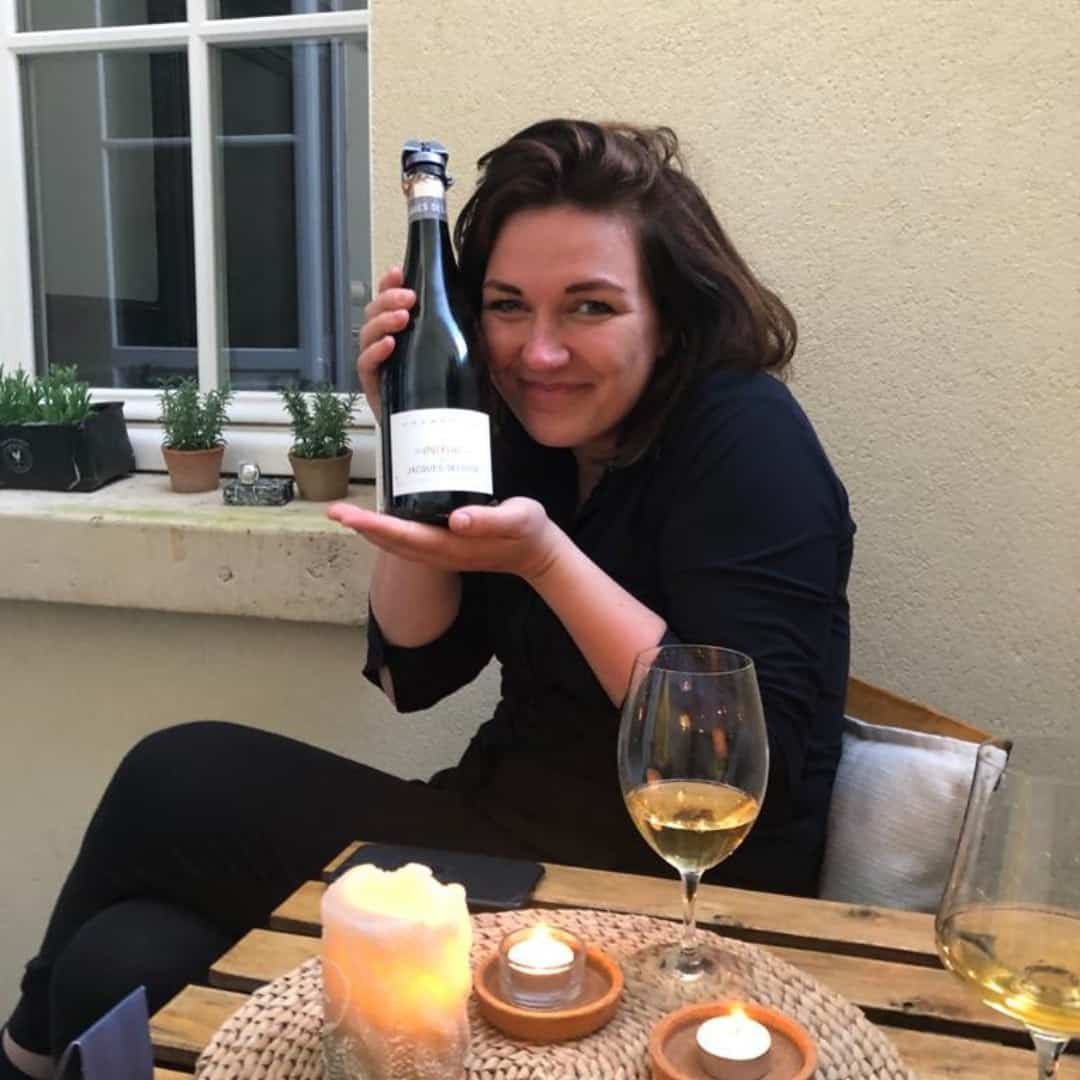
In 2020, during a trip to the Loire Valley, one bottle after another was opened during lunch at a winery (Domaine Guiberteau). The bottles were placed in a sock and served blind. One of the socks contained Jacques Selosse's rosé champagne.
My travel companion and guest blogger for Le Club Rianne Ogink She nearly fell off her chair. I'd honestly never heard of the whole house, but it's never left my mind since that one lunch. It was unlike any champagne I'd ever tasted.
A year later
This epic experience led me to, a year later during A trip to the Champagne region didn't take long to answer the question: which champagne have you always wanted to drink? More from Jacques Selosse! And so it happened, we even tasted two (bankrupt, yes). Below you can read the tasting notes, but first, I'll tell you more about this unique champagne house.
Jacques Selosse
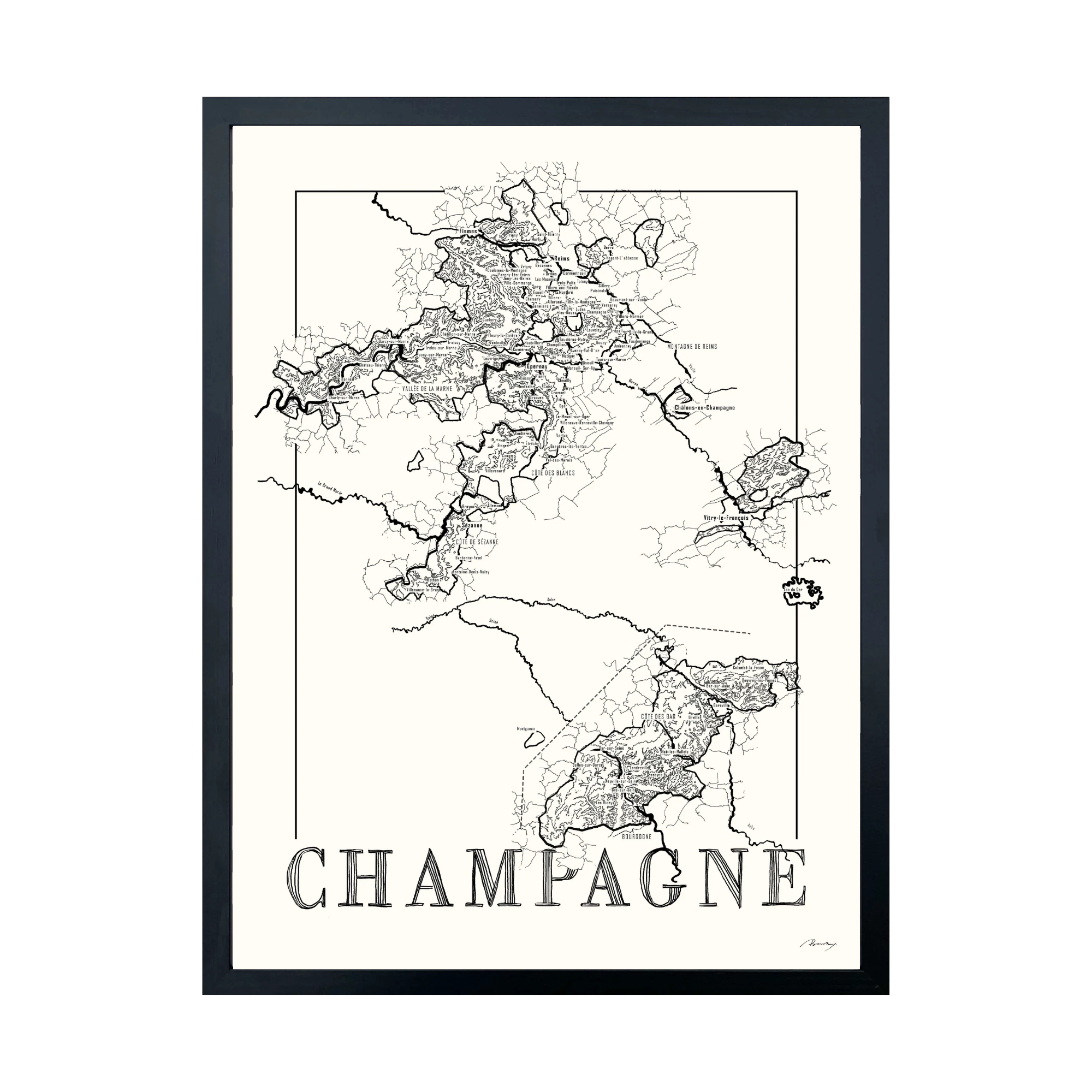
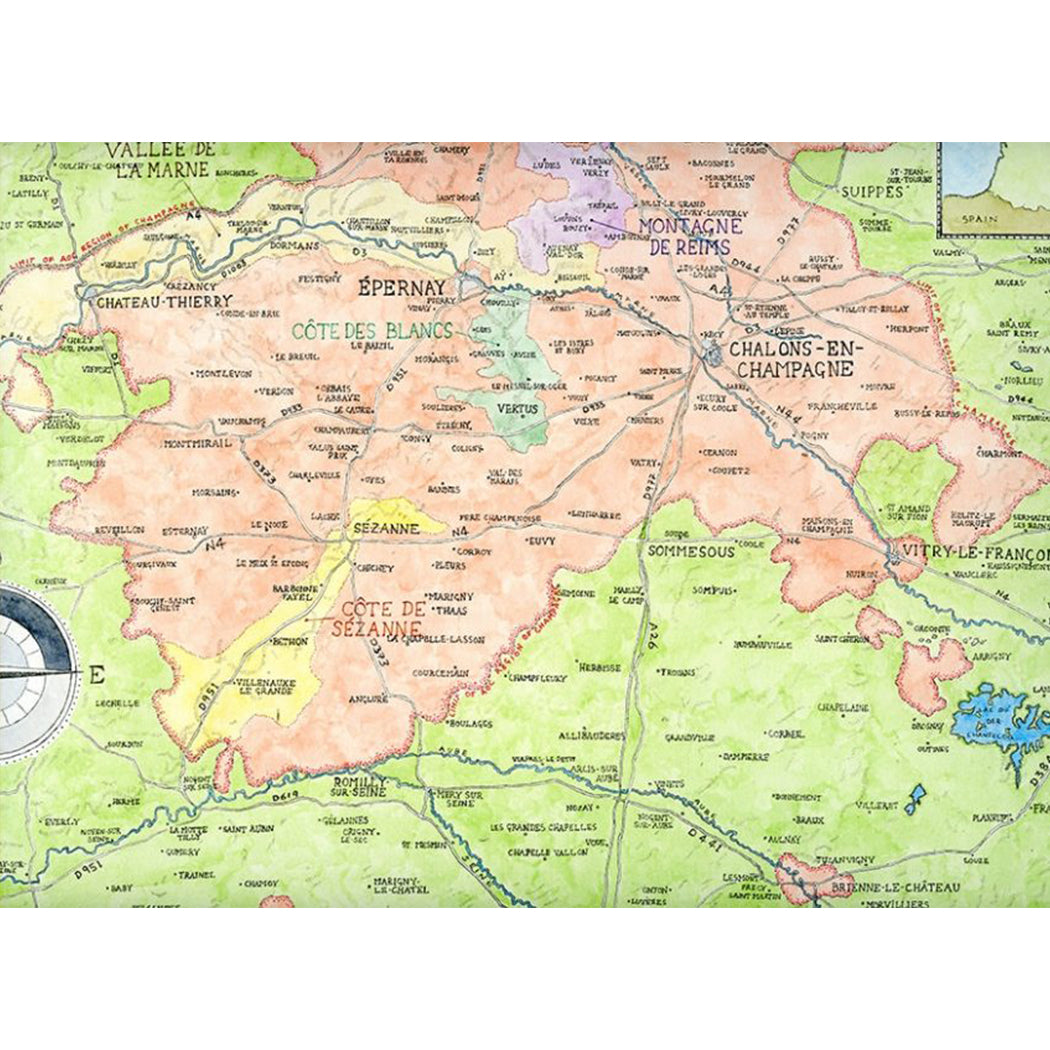
The champagne house is located in Avize, a Grand Cru village in the Côte de Blancs. The house was founded by Jacques Selosse in 1949 and taken over in 1980 by the founder's son, Anselme, who produces the wines here together with his son Guillaume. In the early years, they produced no more than 7,000 bottles. The remaining grapes was sold to Lanson and Roederer.
Today, the family owns over eight hectares of vineyards. Most are located in the Côte de Blancs, where Chardonnay naturally plays the leading role, but there's also a small Pinot Noir vine in the Montagne de Reims. Total production is around 58,000 bottles per year. For comparison, Moet & Chandon produces 30 million bottles annually.

Different than usual
You realize the champagnes are different the moment you take a sip. Oxidative style, Burgundian—it's like Puligny with bubbles. But what's the deal? What does Anselme do with his champagne? To answer this properly, I'll use various sources (until I'm finally able to visit myself).
For years, the base wines have been fermented in wooden barrels. In 2015, a terracotta pot was added. Fermentation occurs spontaneously, meaning no commercial yeasts are added. Minimal intervention seems to be the key word at Selosse. It's all about what you not does. The less the winemaker does, the more natural the final product becomes. The wines do not undergo malolactic fermentation, but they do undergo bâtonnage. On average, they remain on the fine lees for 8 to 12 months before bottling.
'The most important thing is not what I do but what I don't do,' he says. 'If I don't work it is a more natural product, if I work it is a normalized product.'
Anselme Selosse (via Wineanorak.com )
Maturation takes place in wooden barrels, an unusual practice in Champagne, where maturation is usually preferred in stainless steel tanks (to preserve the freshness). Even Krug—also a leader in oxidative-style Champagne—stores its reserve wine in stainless steel.
Back to the yeast. Isn't commercial yeast used in the liquor de tirage? The answer is no. Just before the end of alcoholic fermentation, Anselme sets aside a small amount of juice (semi-vinous) and freezes it. When it's time for bottling, he removes it and restarts the (secondary) fermentation in the bottle. Wow. Mind blown.
'For me, there is no winemaking,' says Anselme. 'I am just a butler, I am not a boss.'
Anselme Selosse (via Wineanorak.com )
The use of sulfites is kept to a minimum and only used when he deems it necessary. I'm curious, however, about the effect on the (freshness of) champagne if a little more SO2 is added.
Substance & solera
After a trip to Jerez in 1972, Anselme became completely captivated by the solera system. As a huge sherry fan, I understand this better than anyone. It became the basis for his cuvée. Substance . The other lieux-dits champagnes are also made this way.
“Substance includes all vintages, good, bad and average; hot, cold and normal. In theory, all of those differences should just be out in the blend .”
Anselme Selosse (via Vinous.com )
Substance is absolutely cult. It's a Blanc de Blancs from Avize, sourced from a solera from every vintage since 1986. Doesn't this make your champagne heart beat faster?! Bucket list material.
Tasted
In Champagne we tasted two cuvées from Jacques Selosse. That was Initial Brut and the lieu-dit Les Carelles Grand Cru Extra Brut .
Initial Brut
Unfortunately, we didn't take a photo of the back label, so we don't know the disgorgement date. We were in a euphoric mood and, strangely enough, weren't focusing on the details anymore, except for the taste. And that was spot on. It went from Puligny with bubbles to a bourbon on the second evening. We wanted to see how it would develop, so we split the bottle over two evenings. The oak is and remains clearly present. It's a champagne that forces you to forget everything else in your head for a moment. Not easy, but impressive.
Les Carelles Grand Cru Extra Brut
Date of dégorgement: January 16, 2018. Les Carelles is a south-facing, very steep vineyard in Mesnil-sur-Oger. It's an extra brut, but you wouldn't know it. Unprecedented length. Fresher than the Initiale. Is this a sparkling Chablis then? We paired it with snails and felt like we were in wine-food heaven.

Hotel & Restaurant Les Avises
The Selosse family also has its own hotel and restaurant in Avize called Les Avizes . We didn't go there, but we had a delicious lunch in a village further along: La Gare in Le Mesnil.
Visit the website for more information >
More about Champagne?
I love Champagne, and that's why I've written quite a few articles about it. You might also like this:
Share:
A wine fan in Epernay (and Champagne)
Adrien Berlioz from Savoie